
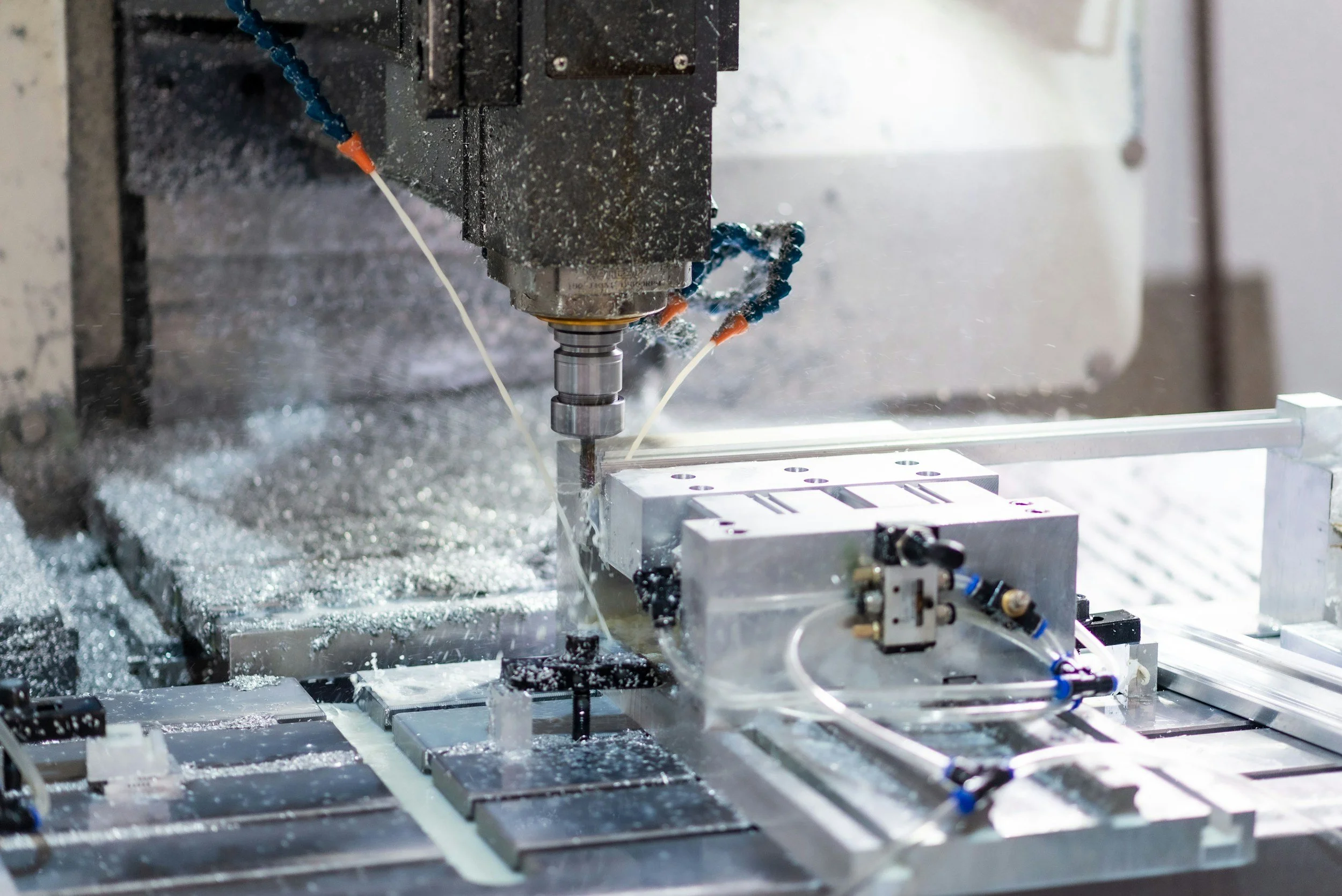
Manufacturing M&A in Florida
Sell My Manufacturing Business in Florida
Strategic acquirers, private equity platforms and qualified independent buyers are buying Florida machine shops, fabricators, plastics and packaging converters, food producers and contract manufacturers. They price your order book, customers and management team, not your square footage, and lenders discount your equipment to liquidation value. We help you see what your company is worth to each buyer and close on the terms you agreed to.
Manufacturers with $1 million or more in EBITDA work with our mergers and acquisitions consultants, and owner-operated shops work with our licensed Florida business brokers. Owners whose work is mainly on-site maintenance and fabrication should see our guide to selling an industrial services company, and defense suppliers our page for owners who sell an aerospace and defense company. Either way, you start with a confidential conversation about what you want next.
Two Ways to Sell a Manufacturing Business in Florida. We Match the Process to Your Company.
Your earnings, your customers, your equipment and the buyers active in your segment decide which path fits.
Mergers and Acquisitions Consultant
Manufacturers Valued Around $5M and Above
For manufacturers hearing from strategic acquirers and private equity platforms. Work directly with a mergers and acquisitions consultant who runs a competitive process and puts every offer on the same page.
- Restate earnings. Rebuild adjusted EBITDA with every add-back documented well enough to survive the buyer’s accountants.
- Trace the order book. Tie purchase orders and releases to shipments, invoices and realized margin.
- Compare the whole offer. Weigh cash at closing against rollover equity, earn-outs and your role after the sale.
- Protect value through closing. Manage equipment appraisals, working capital, customer consents and environmental review alongside your counsel.
Business Brokerage
Owner-Operated Shops Under $5M
Machine shops, fabricators and smaller manufacturers sold to qualified independent and regional buyers, many using bank financing.
- Price on real earnings. Present normalized earnings and a reconciled equipment schedule a buyer and their lender can approve.
- Reach qualified buyers confidentially. Screen buyers and their financing before anyone learns which shop is for sale.
- Plan for the appraisal. Know how the lender will value your machinery before you set terms.
- Plan the handover. Script employee and customer communication and your transition period before closing.
Not sure which path fits your company? Start with a conversation →
M&A Advisory Services for Manufacturing Owners at Every Stage
From the first “should I sell my manufacturing company?” conversation to the wire at closing, and the years of preparation in between.
Sell-Side M&A Advisory for Manufacturers
Preparation, earnings restatement, confidential outreach to strategic acquirers and private equity platforms, and a competitive process through diligence and closing.
See our M&A advisor services →Exit Planning for Manufacturing Owners
For owners one to five years out. We identify what a buyer will pay for, what they will discount, and the steps that raise value: less customer concentration, a documented order book, a management layer and clean equipment records.
Learn more →Equipment and Order Book Review
An equipment schedule reconciled to the floor and the depreciation ledger, an order book traced to invoices and a realistic working capital target, so the price you agree to is the price you receive.
Learn more →Manufacturing Business Valuation
A defensible view of what your company is worth to each buyer type, the drivers behind that number, and what would move it. Delivered as part of an advisory or exit planning engagement.
Learn more →Unsolicited Offer Review
Received a letter of intent from a competitor or private equity group? We assess the buyer, the structure and the market before you respond, so a single offer does not set your price.
Learn more →Industrial and Aerospace Companies
Owners of industrial services companies and aerospace and defense suppliers have their own guides, with the same care we bring to every transaction.
Selling an aerospace and defense company →


PERSONAL. ON PURPOSE.
People you know.
Advice you can
talk through.
Rajiv Khatri
Managing Partner
Sarah Khatri
Managing Partner
We’ve built and sold businesses ourselves. We understand why selling a manufacturing company reaches far beyond the deal: the machinists and supervisors you trained, the customers who trust you with their parts and the community that depends on your payroll.
Sailfish is boutique by intention. We take time to understand your priorities, explain the tradeoffs between a strategic acquirer, a private equity platform and an independent buyer, and help you make informed decisions through an important transition.
Our faith informs how we serve: with integrity in our advice, stewardship of what you’ve built, and care for the people a transition touches.
The Credentials Behind Every Closing
Sailfish advisors are trained, certified, and licensed by the industry's most respected associations.


A clear path from your first question to the sale of your manufacturing company.
Discuss your goals. Prepare your company. Move forward with guidance. Our process gives a manufacturing sale structure, and we tailor the work for exit planning, a partner buyout or an offer already on the table.
Discuss your goals
Spend about 30 minutes with a managing partner discussing your company, your timing and what you want your role to be after a sale. We help identify a useful next step.
Agree on the approach
Decide whether a focused sale to a qualified independent buyer, or an advisory process with strategic acquirers and private equity platforms, fits. Clarify scope, responsibilities and expectations before the engagement begins.
Prepare the company
Reconcile the equipment schedule, trace the order book, map customer concentration and rebuild adjusted EBITDA before any buyer sees terms.
Engage suitable buyers
Present the business confidentially to screened buyers who can fund the deal and keep your customers and people.
Navigate the transaction
Compare offers on the same page, then work through negotiation, appraisals, working capital, customer consents and closing alongside your attorney and CPA.
Manufacturing knowledge. Real buyer relationships.
Every manufacturing segment has its own buyers, its own diligence questions and its own reasons a deal falls apart. We work in the categories where we know all three: who is acquiring right now, what they pay for, and what they walk away from. With 3,500 qualified buyers, PE platforms and strategic acquirers already in our network, your company goes to the people most likely to value it.
CNC · Fabrication · Assembly→ Machine Shops→ Metal Fabrication→ Plastics & Packaging→ Food & Beverage Production→ Building Products→ Electronics Manufacturing→ Medical Device Manufacturing→ Marine Manufacturing→ Signs & Printing→ Aerospace & DefenseSeparate guide for A&D suppliers→ Industrial ServicesSeparate guide for industrial services companies→
700+ Florida Business Owners Trust Us
Real stories from owners who sold, scaled, and succeeded with Sailfish.
We’re listening. Not sure what your next step is? That is a good place to start.
“I’m thinking
about selling my manufacturing business.”
“I want to step back
in a few years.”
“A competitor just
made me an offer.”



Selling a manufacturing business in Florida: your questions answered.
You don’t need every answer before starting a conversation.
-
Start by preparing what a buyer will test: restated earnings, a reconciled equipment schedule, a traceable order book and a plan for customer concentration. Then decide whether a broker-led sale or an advisory process with strategic and private equity buyers fits your size. A competitive, confidential process usually produces better terms than responding to one buyer.
-
Value depends on adjusted earnings and on the risk a buyer sees in them: order book quality, customer concentration, management depth and the condition of your equipment records. Replacement cost of your machines does not set the price. A confidential valuation shows what each buyer type is likely to support and what would move the number.
-
Owner-operated shops valued under about $5 million usually fit a business brokerage process aimed at qualified independent and regional buyers. Larger manufacturers drawing interest from private equity and strategic acquirers usually need an M&A advisor running a competitive process. We help you decide which path fits before you commit.
-
Lenders typically rely on a machinery and equipment appraisal and lend against orderly liquidation value, which is lower than fair market value in continued use. That gap does not lower your price by itself, but it can change deal structure, such as a larger buyer equity check or a seller note.
-
Strategic acquirers such as competitors, customers and suppliers, private equity platforms building regional groups, and independent buyers using bank financing. Each values capability, scale and risk differently, which is why reaching all three in one process matters.
-
Most Florida manufacturing sales take six to twelve months from preparation to closing. Equipment appraisals, lender underwriting, customer diligence and environmental or real estate issues can extend that. Preparation before going to market shortens it.
-
Use a blind profile, require confidentiality agreements and proof of financial capacity, release financials in stages and keep customer names masked until a signed letter of intent. Plan employee and customer conversations in advance rather than reacting to a leak.
-
That is a good time to start. Exit planning one to three years ahead lets you reduce customer concentration, document the order book, build a management layer and clean up equipment records, all of which affect value. A conversation does not commit you to a sale.

Thinking about selling your manufacturing business?
For 25+ years, we’ve helped Florida owners protect what they built and get the full value of it. The shop floor, customers and people you built deserve the same care.
Selling Your Manufacturing Business: Expert Guides & Insights
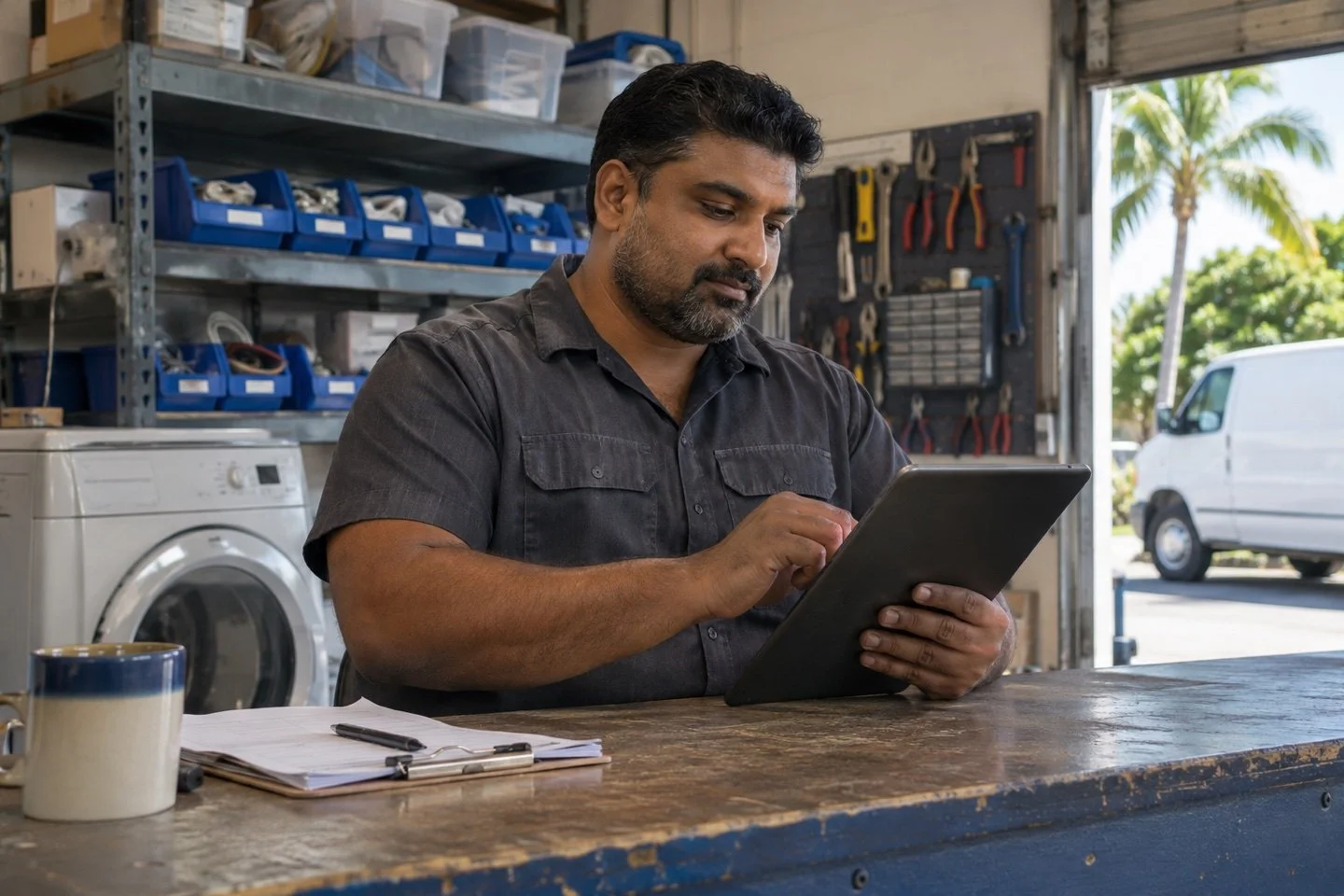



Stewardship, legacy, and the next chapter.
A manufacturing company is more than a balance sheet. It is years of tooling built and paid for, a shop floor trained one shift at a time, customers who trusted you with their parts and a workforce that often makes you one of the largest employers on your road. We treat the sale as stewardship: honest advice even when it is not what you hoped to hear, a pace set by your goals rather than our calendar, and the willingness to tell you when a buyer or a deal is the wrong fit. We believe this work is a calling, and we try to do it the way we would want it done for our own family.
Sell My Manufacturing Business in Florida: What Buyers Underwrite First
By Rajiv Khatri, Managing Partner, Sailfish Equity Advisors · Updated November 2026
Buyers Are Not Buying Your Machines. They Are Buying Your Next Twelve Months.
If you want to sell your manufacturing business in Florida, the first thing to know is that buyers do not price your square footage or your spindle count. They price whether a stranger can run your plant next year at the margin you ran it at last year. Everything in a manufacturing sale, from the equipment appraisal to the order book review, is a test of that one question.
Sailfish Equity Advisors represents Florida manufacturers, including machine and fabrication shops, plastics and packaging converters, food and beverage producers, building products makers and contract manufacturers, in sales to strategic acquirers, private equity platforms and independent buyers. Across 25 years and more than 700 completed transactions, the manufacturing deals that hold their price are the ones where the owner did the buyer's diligence first.
Key Takeaways
Buyers value a Florida manufacturer on committed demand, realized margin and management depth, not replacement cost of equipment.
Lenders finance equipment at orderly liquidation value, which is usually well below what the machines are worth on your floor. That gap shapes deal structure.
An order book counts as backlog only when a buyer can trace it from purchase order to shipment to invoice.
One customer above roughly 20 to 30 percent of revenue changes who can buy and how they pay.
Strategic buyers, private equity platforms and independent operators each price the same plant differently, so a competitive process matters.
Confidentiality protects customer relationships: a leak can trigger dual-sourcing decisions that do not reverse after closing.
How Big Is Florida Manufacturing, and Who Is Buying?
Florida is a larger manufacturing state than many of its owners assume. Manufacturing output ran at an $88.8 billion annual rate in the first quarter of 2026, according to the Bureau of Economic Analysis series published by the St. Louis Fed. The sector employed about 427,800 people in June 2026, per Bureau of Labor Statistics data. Florida was also the sixth-largest exporting state in 2025, shipping $78.9 billion of goods, most of it manufactured product, according to the Office of the U.S. Trade Representative.
Three buyer profiles show up on Florida manufacturing deals, and they price the same company differently.
Strategic acquirers are competitors, customers moving upstream and suppliers moving downstream. They pay for capability: certifications, a process they cannot easily stand up, a customer they want. They can pay above a purely financial number because they remove their own costs, and they ask the hardest questions about your quality system.
Private equity platforms buy a first Florida plant or add a bolt-on to an existing group. They pay for scale, margin consistency and a management team that runs the business without the founder, and they often ask the seller to roll part of the proceeds into the new company.
Independent and operator buyers are often experienced plant managers or search funds using bank debt. They underwrite debt service first, which makes their lender's equipment appraiser a silent party to the deal.
Some Florida shops sit on the line between categories. If your company mainly performs maintenance, fabrication and repair work at customer sites, our guide for owners who sell an industrial services company fits better. If most of your revenue comes from defense primes or aircraft programs under AS9100 and ITAR, see our page for owners who sell an aerospace and defense company. If you mainly buy and resell rather than make, see how buyers look at a distribution business.
What Is the Difference Between Fair Market Value and Orderly Liquidation Value?
Fair market value in continued use is what a willing buyer pays for equipment installed, powered and producing on your floor. Orderly liquidation value is what the same equipment would bring if it were removed and sold over a reasonable marketing period. Both numbers are correct. They answer different questions.
This is where manufacturing sellers are most often surprised. When a lender finances an acquisition, your machinery is collateral, and lenders underwrite the downside number. SBA servicing guidance defines recoverable value as the amount a prudent lender could expect to recover by liquidating collateral, net of liens and costs, and requires personal property appraisals relied on for a decision to be less than 120 days old, per SBA SOP 50 57.
So your five-axis machining center supports the loan at a discount to what it is worth to you, sometimes a steep one for specialized tooling with a thin resale market. That does not cut your price by itself. It changes structure: a larger equity check from the buyer, a seller note behind the bank or a longer appraisal timeline. Learn it before the teaser goes out and you can design around it.
The shops that hold price keep a current, itemized asset schedule: make, model, serial number, year, hours, condition, ownership and lien status, reconciled to the depreciation ledger and to what is physically on the floor.
When Does an Order Book Count as Backlog?
Owners quote a backlog number in the first meeting. Buyers discount it until they can follow it. The chain a diligence team walks is short: purchase order or blanket agreement, the releases scheduled against it, your production schedule, then the shipments and invoices that closed out the last four quarters of the same relationship.
Three things separate an order book that survives review:
Written terms. Blanket purchase orders with quantities, pricing windows and cancellation language carry more weight than years of handshake reorders.
Realized margin, not quoted margin. Job costing that ties actual labor and material back to the quote shows buyers the margin is real.
Repeat pattern. A part shipped monthly for six years outweighs a large one-time program at the same revenue.
How Does Customer Concentration Affect a Manufacturing Sale?
Contract manufacturing concentrates by nature. You win a program, build capacity around it, and a few years later one customer is a third of the plant. Most buyers and lenders start asking harder questions once a single customer passes roughly 20 to 30 percent of revenue. It rarely kills a deal. It changes who can buy and how they pay, often through an earn-out or a seller note tied to that account. Our guide to customer concentration when selling a Florida business covers the mechanics.
The fix is evidence, not a rushed sales push. Document relationship tenure, whether you are sole-sourced or dual-sourced on each part, whether you are on the approved supplier list under your certification and how much program life remains. Then put a second name on the account. If the customer's buyer calls your cell phone and you personally price every quote, concentration risk and owner dependence are the same risk.
How Do Buyers Restate a Manufacturer's Earnings?
Adjusted EBITDA is earnings before interest, taxes, depreciation and amortization, restated for owner compensation above or below market, personal expenses and genuinely one-time items. Buyers of larger manufacturers price on it. Buyers of smaller shops often use seller's discretionary earnings, which also adds back one owner's compensation.
Manufacturing carries add-backs other industries do not, and they cut both ways. A truly non-recurring tooling or automation purchase can come back. A "one-time" machine rebuild that recurs every three years is maintenance capital spending, and buyers treat it that way. Inventory is the other trap: a shop that built or drained inventory to smooth a year will have it unwound by the buyer's accountants, and it will show up again in the working capital negotiation at closing. A sell-side quality of earnings review before going to market finds these issues while you can still explain them.
How Do You Sell a Manufacturing Business Without Employees or Customers Finding Out?
A leak costs something specific in a manufacturing deal. Your customers' supply chain managers are paid to remove risk, and "our supplier is being sold" is risk. A dual-sourcing decision made in spring does not reverse in the fall because the deal closed.
Disclosure is staged. A blind profile goes first, with sector, size, capability and region but no name or identifiable photos. Buyers sign a confidentiality agreement and show financial capacity before anything else moves. Financials open in stages, customer names stay masked until a signed letter of intent, and plant tours happen after hours. Employee conversations are planned and sequenced, never improvised on the day a stranger walks the floor.
How Long Does It Take to Sell a Manufacturing Business in Florida?
Plan on six to twelve months from the start of preparation to closing for most Florida manufacturers, and longer when environmental review, real estate or a complex customer consent process is involved. Manufacturing businesses tend to take longer to sell than the typical small business because equipment appraisal, lender underwriting and customer diligence each add weeks. Preparation done before going to market is the single biggest factor in shortening that timeline.
What Should Florida Manufacturers Prepare Before Going to Market?
Three years of financial statements and tax returns, with monthly detail for the most recent two years.
An itemized, reconciled equipment schedule with lien status.
A traceable order book and job costing that ties quotes to actual margin.
A customer concentration map with tenure and sourcing status for each major account.
Certifications, quality system records and any environmental permits or reports.
Real estate decisions: whether the buyer buys the building, leases it from you or neither.
An organization chart showing who quotes, schedules, supervises and runs quality without you.
How Sailfish Helps Florida Manufacturing Owners
We run the buyer's diligence before the buyer does: an asset schedule reconciled to the floor, an order book traced from purchase order to invoice, a concentration and owner dependence map and earnings restated so every adjustment survives an outside accountant. Then we take the company confidentially to strategic acquirers, private equity platforms and qualified independent buyers from a network of 3,500 buyers, compare every offer on the same page and manage diligence through closing alongside your attorney and CPA.
If you are thinking about selling your Florida manufacturing business in the next one to three years, a confidential valuation conversation is the right place to start. Bring your equipment list and three years of returns.