
Sell My Pest Control Business in Florida
What Buyers Pay for Recurring Routes
You built a pest control business worth protecting. We bring the valuation, qualified buyers, and hands-on guidance to help you sell with confidence and secure the value you’ve earned.


Sell Your Pest Control Business While the Market Is Strong!
-
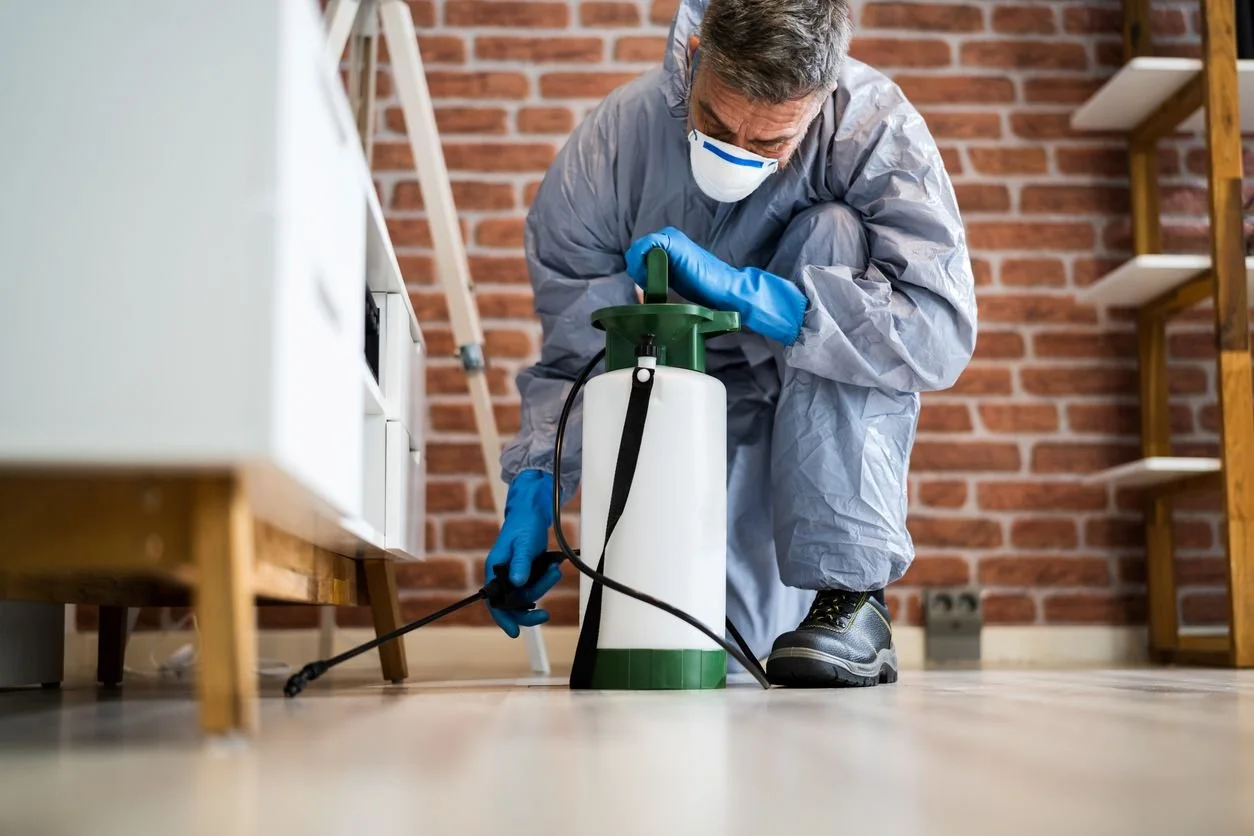
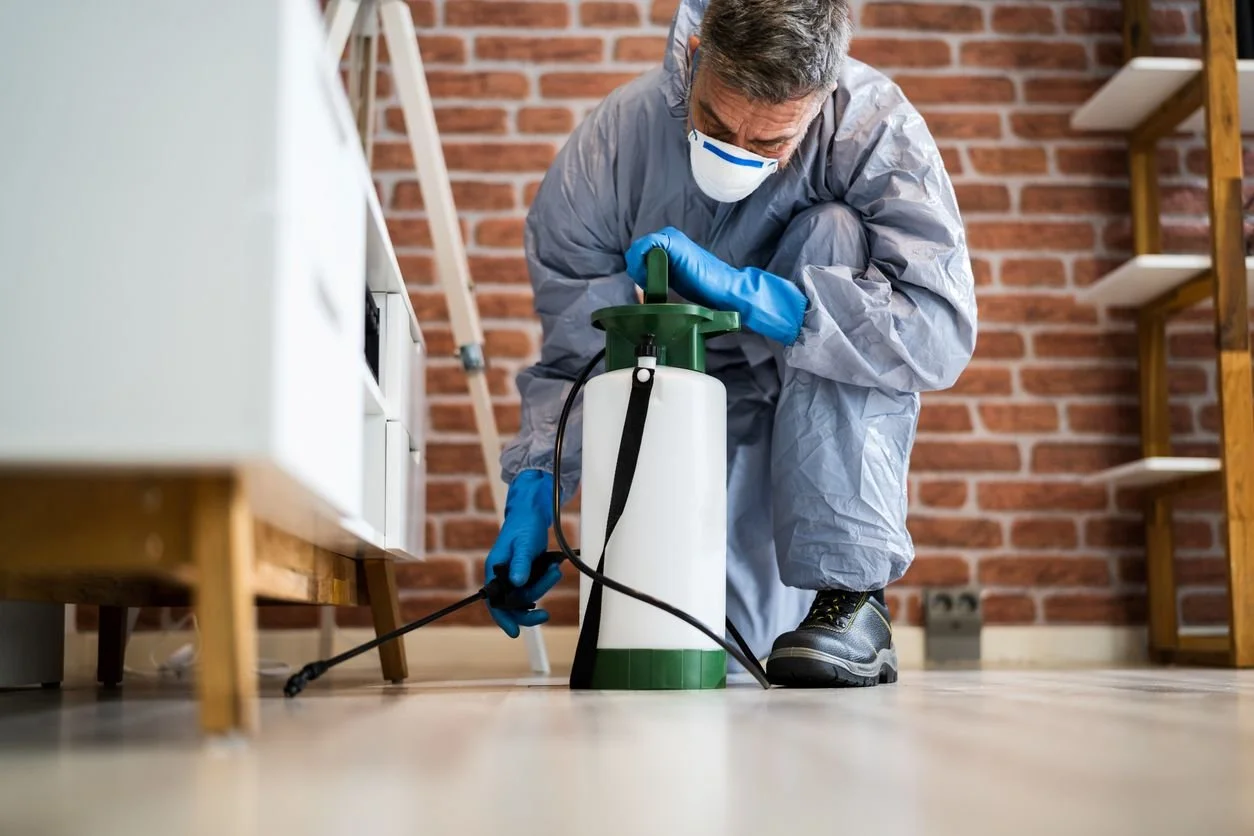
![Pest control business valuation with Sailfish Equity Advisors]()
Buyer demand is strong, recurring service contracts are highly valuable, and well-run pest control companies are commanding premium multiples.
-
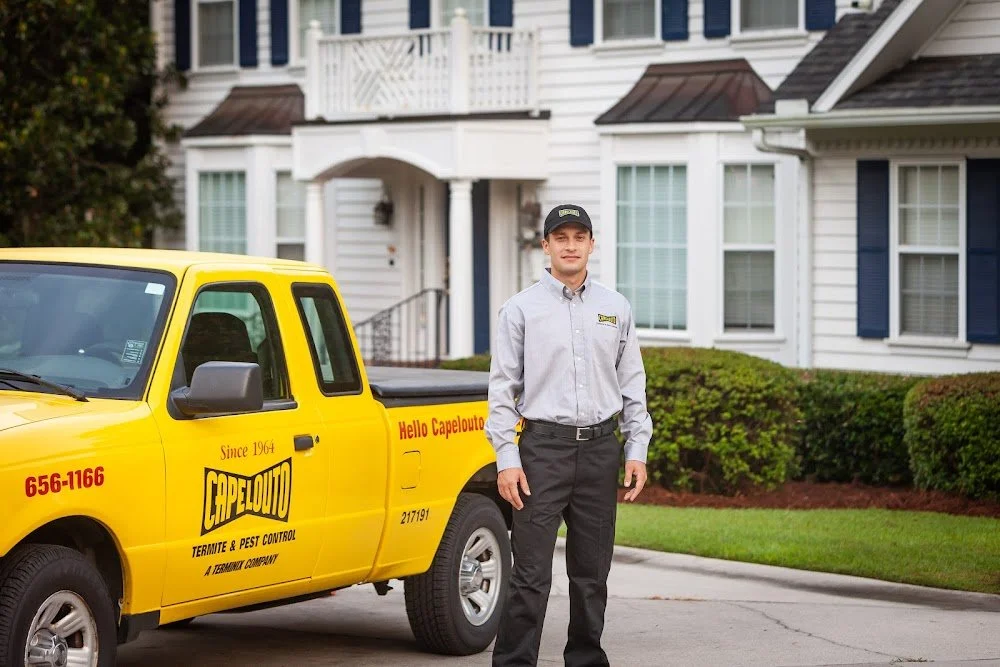
![Pest control business owner preparing to sell the company]()
Recurring service contracts, steady year-round demand, and continued residential and commercial growth are creating a favorable window for pest control business owners to sell.
-
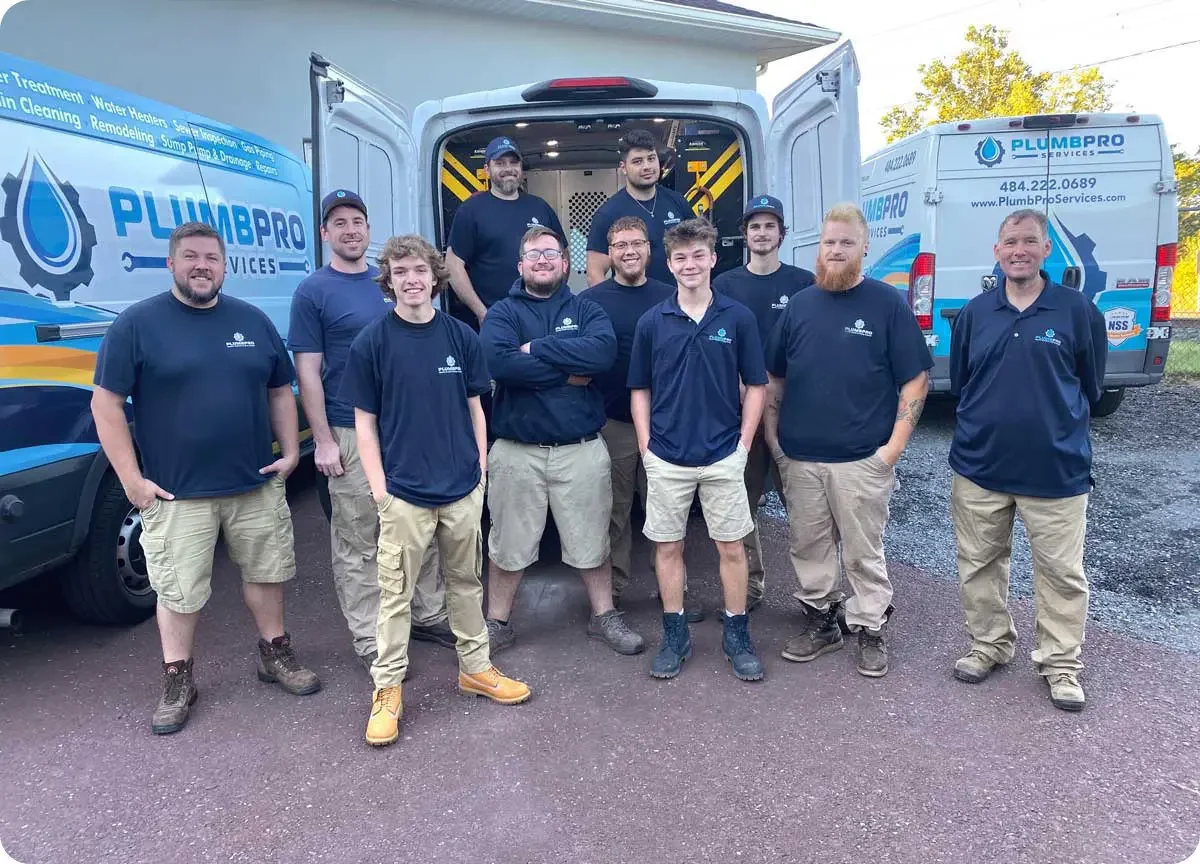
![Pest control team representing an experienced and transferable workforce]()
Recurring service revenue, route density, and consistent demand are making established pest control companies especially attractive to buyers.
Start the Next Chapter of Your Life Today
-

Find Out What Your Pest Control Business Is Worth
Schedule your free business valuation today! Our expert Pest Control business brokers specialize in helping you sell your business for maximum value.
-

Achieving a 90% Success Rate in Pest Control Business Sales
Because we carefully select our listings, we boast a 90% success rate in selling pest control-related businesses.
-

$0 No Upfront Pest Control Business Broker Fees
Sell your Pest Control business with confidence—pay no upfront fees! Our business brokers are dedicated to delivering results before you pay.
Maximize Your Exit With Pest Control Business Broker Experts

Pest control businesses are built on trust, consistency, and dependable service. We understand what it takes to manage routes, retain technicians, maintain licenses, protect customer relationships, and deliver reliable results across residential and commercial accounts.
Pest Control Industry Knowledge
We understand how recurring contracts, route density, technician retention, licensing, customer concentration, and local market reputation affect buyer interest and business value.
Connections to Qualified Buyers
We introduce your company to vetted individual buyers, strategic pest control operators, family offices, and private equity groups seeking established recurring-revenue businesses.
A Valuation That Reflects the Full Business
We review normalized earnings, contract retention, service routes, equipment, fleet, growth opportunities, customer mix, and operational systems to establish a credible market value.
A Confidential, Managed Sale Process
We handle the transaction discreetly from valuation and buyer qualification through negotiations, due diligence, and closing, allowing you to protect your employees, customers, and day-to-day operations.
What Our Clients Say
Insights & Strategies from America’s Pest Control Business Brokers
Our Pest Control Business Brokers
-

Rajiv Khatri
Managing Partner
-

Sarah Khatri
Managing Partner
-

Franklin Luke
Business Sales Advisor
What Buyers Pay for Recurring Pest Control Routes in 2026
What a Florida pest control business is worth in 2026, who is buying, and how to sell your routes without losing your technicians.
A profitable Florida pest control business with a strong recurring-service base typically sells for roughly 1.5x to 3.5x SDE at the owner-operator level, and residential-recurring platforms have traded at about 7x to 10x EBITDA in recent consolidation — the exact number turns on how much of your revenue renews on its own every quarter. Sailfish Equity Advisors is a Florida business brokerage and M&A advisory firm that helps pest control owners across the state value, prepare, confidentially market, and sell their companies, with buyer-backed valuation, buyer screening, and a structured process built before the business ever goes to market.
The pest control question owners ask us most is not "will someone buy it," but "how do I sell without my technicians walking and my competitors circling." Both of those are solvable. Value comes first.
The Big Three Are Buying Florida Pest Routes — Here's What Yours Is Worth
Pest control has quietly become one of the most consolidated home-service categories in the country, and Florida sits near the center of it. Two public giants — Rollins (Orkin, HomeTeam, Trutech) and Rentokil (which now owns Terminix) — plus the Sweden-based platform Anticimex are all buying regional operators here. Anticimex's Florida platform, Turner Pest Control, acquired Port Charlotte's Pest Eliminators, an operator serving eight Southwest Florida counties, in September 2025, and smaller regional consolidators have kept buying through 2026.
That matters to you for one reason: when three well-funded buyers all want the same thing — recurring residential and commercial routes in growing Florida markets — a prepared seller can put them in the same room. What they are paying for is not your name on the truck. It is the base of accounts that renews without a sales call.
What a Pest Control Buyer Is Really Buying
Every buyer, from a national platform to the operator two counties over, underwrites the same handful of things: recurring cash flow, route density, customer retention, technician depth, and how much of the business walks out the door when you do. Buyers evaluate risk, owner dependence, and whether the earnings survive a change of ownership. They are buying their own next few years, not your last few.
For a pest route, SDE — seller's discretionary earnings — is what is left after the trucks are fueled, the chemicals are bought, and the technicians are paid, but before your own salary, your truck, your phone, and the discretionary costs that leave when you leave. That is the number a buyer's lender underwrites, and it is where valuation starts.
The strongest pest businesses share a profile: a high percentage of revenue on recurring quarterly or bi-monthly plans, tight routes that keep windshield time low, low customer churn, a termite/WDO book with the liability well-managed, and a technician bench that does not depend on the owner riding along. The weakest look busy but fragile — heavy on one-time jobs, thin on contracts, and built entirely around the founder's relationships.
What Recurring Pest Routes Sell For in 2026
Price tracks recurring revenue more tightly in pest control than in almost any trade. Published industry estimates put residential-recurring platform acquisitions in the range of about 7x to 10x EBITDA, with commercial-heavy books a step lower at roughly 6x to 8x, because commercial accounts, while larger, are re-bid more often. Owner-operated shops that sell on SDE rather than EBITDA generally land in the house range of about 1.5x to 3.5x SDE — and where you fall inside that range is not random.
Two identical-looking businesses at $400,000 of SDE can be worth very different numbers. The one with 80% of revenue on auto-renewing plans, a manager running dispatch, and single-digit annual churn sits at the top. The one with the same revenue but half of it in one-time callouts and every key account tied to the owner's cell phone sits at the bottom, or gets a structure with money held back until the accounts prove they stay. The multiple is a scorecard for risk, and recurring revenue is the biggest line on it.
Across Florida deals, we consistently see the same thing: buyers pay for what renews, and discount what has to be resold every spring.
The Recurring-Revenue Ratio That Sets Your Multiple
Before you do anything else, calculate one number: what share of trailing-twelve-month revenue came from recurring service plans versus one-time and callback work. That single ratio moves your multiple more than any other operating fact.
A book that is 75% or more recurring reads to a buyer as an annuity — predictable, financeable, and expandable by adding density. A book that is mostly one-time treatments reads as a marketing operation that has to win the same customer twice. If your recurring share is lower than you would like, that is a preparation project, not a reason to wait: converting one-time customers to quarterly plans, tightening cancellation handling, and documenting renewal rates over 12 to 18 months can move both your SDE and the multiple applied to it. The reward compounds, because a higher multiple on a higher base is the whole game.
Who Holds the FDACS License — and Does It Transfer?
Here is the Florida-specific detail most generic guides skip, and it can stall a closing. Structural pest control in Florida is regulated under Chapter 482 by the Department of Agriculture and Consumer Services (FDACS), and a licensed business must operate under a "certified operator in charge" who is qualified in each category the company practices — general household pest, termite/WDO, lawn and ornamental.
If you are the certified operator, the buyer's real question is: who holds that qualification after the wire clears? A national platform brings its own licensing. An individual buyer may need you to stay on as certified operator during a transition, or need a qualified employee already on staff. Either way, buyers and their lenders will want to see that the license, the ID cards, and the WDO inspection authority transfer cleanly — and they will look hard at any open termite bonds and the reserve behind them. Sorting this out before you go to market turns a potential deal-killer into a paragraph in the transition plan.
Add-Backs: The Profit Hiding in an Owner-Run Route Book
Most owner-run pest businesses understate their real earnings, because the P&L is built to manage taxes, not to sell the company. Clean add-backs recover that value legitimately: your above-market owner compensation, the personal-use truck, the family member on payroll who is not essential, one-time equipment purchases, and discretionary spending that a new owner would not carry.
Add-backs raise SDE, and a higher SDE at the same multiple is real money. But there is a discipline to it. Clean, documented add-backs — the ones you can prove with a check register and a reason — build buyer confidence. Aggressive or vague ones do the opposite; when a buyer's accountant cannot verify an add-back, they discount the whole schedule and start wondering what else is soft. Build the one-page add-back schedule before a buyer asks, not after they challenge you.
Selling Quietly When Your Techs Are Your Routes
In pest control, confidentiality is not a courtesy — it is deal protection, and the stakes are unusually high because your technicians effectively carry the customer relationships. If your best route techs hear the business is for sale before you are ready, some start fielding calls from the very consolidators trying to buy you, and a competitor can poach both the tech and the accounts that follow them.
A confidential sale keeps the lid on. The business goes to market as a blind profile — category, general territory, revenue, SDE, recurring mix — with nothing that identifies it. No buyer learns your company's name before signing a non-disclosure agreement, and sensitive details like customer lists and route maps are released in stages, only to buyers who have already proven they can close. Your team learns about the sale when the deal is essentially done, not when the rumor beats you to the break room.
Screening Buyers: Who Can Actually Close on a Route Book
Not every party who asks about your business can buy it, and treating a curious competitor like a qualified buyer is how routes and pricing leak. A serious process screens before it shares. That means confirming financial capacity, relevant experience, a real timeline, and the ability to close — proof of funds or a lender's backing, not just enthusiasm.
The screening also protects your price. When several qualified buyers are working in parallel — a strategic consolidator, a search-fund or individual operator, and possibly a regional competitor who values your density — you have a market, not a single conversation. A buyer who cannot demonstrate the ability to close does not earn the same access as one who can, and no buyer should ever see the customer detail that would let them compete with you if the deal falls apart.
How Sailfish Gets Pest Owners Paid for Every Recurring Dollar
Selling a pest control business well is mostly about proving that the earnings are real and that they stay after you leave — and that is the work we do before a buyer ever calls. Sailfish Equity Advisors starts with a confidential, buyer-backed valuation: we recast your financials into a defensible SDE, build the add-back schedule buyers will accept, and measure the recurring ratio, route density, and churn the way an acquirer's underwriter will.
With 25-plus years of experience and more than 1,000 Florida owners helped, and no upfront fees — we are paid at closing — we then take the business to market blind, screen buyers hard, and run a competitive process so your routes are priced as the annuity they are. We map the FDACS license and any WDO bond exposure up front, so the transition question is answered before it can slow a deal. The goal is simple: get you paid for the boring, recurring parts of the business that buyers value most.
Preparing a Pest Business to Sell: The 12 Months That Move the Price
The best pest control exits are built, not found. Give yourself 12 months and work the list in order. Clean the financials and separate personal from business so your SDE is provable. Push the recurring ratio up and document renewal and cancellation rates. Put a manager or lead between you and daily dispatch so the business does not need your phone. Review customer concentration — if one commercial account is more than 20% to 30% of revenue, buyers and lenders get cautious. Get your certified-operator and WDO paperwork in order. Then get a buyer-backed valuation and decide, from data, whether to go now or build another year of proof.
None of this requires heroics. It requires starting before you are ready to be done — because a business that is always ready to sell is also easier and more profitable to run.
Pest Control Sale FAQ: Florida Owners' Top Questions
How much is my Florida pest control business worth?
Owner-operated pest businesses generally sell for about 1.5x to 3.5x SDE, while larger residential-recurring operations have traded near 7x to 10x EBITDA in recent consolidation. The single biggest driver is your recurring-revenue share: the more of your book that renews automatically, the higher both your earnings base and the multiple applied to it.
Who is buying pest control businesses in Florida?
National platforms (Rollins/Orkin, Rentokil/Terminix) and the Anticimex-backed Turner Pest Control are all active in Florida, alongside regional consolidators and individual operators. Different buyers value different things — strategics pay for density and recurring accounts, while individual buyers may pay for a turnkey, well-run route with staff in place.
Do I have to tell my technicians I'm selling?
Generally not until the deal is essentially done. Because technicians carry route relationships in pest control, an early leak is a real risk. A confidential process — blind profile, NDAs, staged disclosure — lets you protect your team and your accounts until closing is a near-certainty.
Does my FDACS pest control license transfer to a buyer?
Not automatically. Florida requires a certified operator in charge under Chapter 482. A buyer must either bring their own qualified operator, retain a qualified employee, or have you stay on through a transition. Sorting the license, WDO authority, and any termite-bond reserves before listing keeps this from stalling the closing.
What are add-backs and why do they matter?
Add-backs are owner-specific and one-time expenses — above-market owner pay, a personal truck, non-essential family payroll — added back to earnings to show the true cash flow a new owner would keep. Documented add-backs raise your SDE and your price; unverifiable ones make buyers discount the whole picture.
How does Sailfish Equity Advisors help pest control business owners?
Sailfish provides a confidential, buyer-backed valuation, financial recasting, add-back preparation, blind marketing, buyer screening, and full deal management through closing — with 25-plus years of experience, 1,000-plus Florida owners helped, and no upfront fees. We map your license and bond questions early and run a competitive process so recurring routes are priced as the assets they are.
Find Out What Your Route Book Would Command Today
If pest control consolidators are already active in your market, the worst position is finding out what your business is worth from a buyer's opening offer. Start with a confidential, buyer-backed business valuation — know your number, know which buyers would compete for your routes, and go to market on your terms. Reach Sailfish Equity Advisors to begin a confidential conversation.