
Selling a Construction Company in Central Florida: A Broker’s Guide
Prepare a Central Florida Construction Company for Serious Buyers
Construction buyers focus on backlog, licenses, project concentration, management depth, subcontractor relationships, and bonding capacity. To build a sale strategy around those value drivers, schedule a confidential exit-planning conversation.




Why Central Florida Contractors Choose Sailfish
25+ Years of Florida Deal Experience
1,000+ Transactions Completed
Construction Valuation Expertise
Strategic and Financial Buyer Network
Diligence and Deal-Structure Support
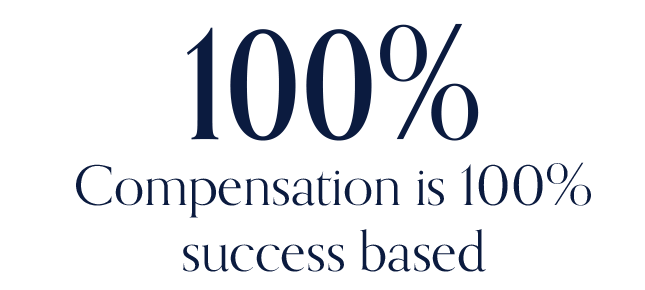
No Upfront Fees—Paid at Closing
1,000+ Florida Business Owners Trust Us
Real stories from owners who sold, scaled, and succeeded with Sailfish.
Now is the Perfect Time to Sell Your Business in Orlando, FL:





What buyers pay for contractors in a growth market — and the four issues that quietly reprice construction deals
A profitable Central Florida construction company typically sells for 2x to 3.5x Seller’s Discretionary Earnings, toward the higher end of the 1.5x to 3.5x range where owner-operated businesses generally trade. A contractor producing $400,000 in SDE might command $800,000 to $1.4 million, with backlog quality, licensing, and customer mix deciding where in that range the deal lands. -
Demand for these companies is real. Buyers want exposure to Central Florida’s growth, and buying an established contractor with crews, contracts, and a reputation beats starting from zero. Sailfish Equity Advisors is a Florida business brokerage and M&A advisory firm that helps Orlando and Central Florida owners value, prepare, confidentially market, and sell their companies — buyer-backed valuation, screened buyers, staged disclosure, and a structured process from first conversation to closing.
This guide covers what construction buyers pay for, what scares them off, and how to fix the problems before they cost you money.
Why Central Florida Contractors Are in Demand
Construction businesses are local by nature, and the local story here is hard to beat. Central Florida keeps adding residents, and every new rooftop from Lake Nona to Winter Garden to Sanford pulls demand for builders, remodelers, roofers, HVAC and electrical contractors, site work companies, and every specialty trade in between. Commercial and infrastructure work along the I-4 corridor adds another layer. Buyers do not need a research report to see it; they see it driving up the highway.
That demand shows up in the buyer pool. Individual buyers relocating to Florida want to buy income and a license path. Out-of-market contractors want a foothold in Orange County and the surrounding counties. Larger regional players and private-equity-backed platforms are consolidating trades like HVAC, roofing, and plumbing and will pay up for companies with the right characteristics. More buyer types competing for your company generally means better terms for you — if the company is prepared and the process creates real competition.
What Buyers Like: Backlog, Contracts, Crews, and Iron Buyers evaluate the same fundamentals in every deal — cash flow, risk, owner dependence, customer concentration, recurring revenue, transferability, financing — but construction has its own scoreboard:
Backlog. Signed contracts for future work are the closest thing a contractor has to recurring revenue. A buyer stepping into six to twelve months of committed, profitable backlog is buying a running start, and they pay for it. Backlog only counts if it is documented, priced at margins consistent with your history, and assignable to a new owner.
Contract quality and repeat relationships. Recurring service agreements, maintenance contracts, term agreements with property managers, builders, or municipalities — these tell a buyer the revenue does not reset to zero every January. A remodeler who re-wins every job from scratch is worth less than a contractor with standing relationships that generate work automatically.
Crews and field leadership. Skilled labor is the scarcest asset in Florida construction. A company with tenured crews, low turnover, and a project manager or superintendent who can run jobs without the owner is dramatically easier to sell. Buyers are not just buying your contracts. They are buying your ability to perform them.
Equipment and fleet. Well-maintained, owned equipment supports the price and helps lenders collateralize the deal. Bring a current equipment list with ages, condition, and any liens. Leased equipment is fine; surprise liens in due diligence are not.
Safety record and insurance history. A clean experience modification rate and a quiet claims history reduce perceived risk and keep the buyer’s insurance costs predictable. It is an underrated value signal.
What Worries Buyers: The Four Deal-Repricers
Now the uncomfortable list. These four issues reprice more construction deals than anything else, and every one of them is fixable with lead time.
Project concentration. If one general contractor, one builder, or one municipal client accounts for a large share of your revenue, buyers see a single phone call that can gut the business. Single-customer concentration above 20 to 30 percent worries buyers, and in construction it is common — one good GC relationship can quietly become half your revenue. You may not be able to diversify overnight, but you can document the relationship’s history, contracts, and depth, and you can push to broaden the customer list in the year or two before a sale.
Bonding and licensing transfer. If your work requires bonding, the buyer must qualify with a surety, and not every buyer can. If the company’s contractor license is held personally by you, the buyer needs their own license or a qualifying agreement that keeps you (or a hired qualifier) on the license during transition. Owner-held licenses do not kill deals, but they shape who can buy, how the deal is structured, and how long you stay involved. Figure this out before going to market, not during due diligence.
Owner dependence. If you are the estimator, the chief salesman, the client relationship, and the license holder, the buyer is not purchasing a company — they are purchasing a job with your name on it. Owner dependence is expensive. Every responsibility you push down to an estimator, a PM, or a field super before the sale converts to price at the closing table. WIP accounting. Work-in-progress schedules confuse sellers and terrify buyers when they are sloppy. Percentage-of-completion accounting, overbillings and underbillings, jobs that look profitable until the last 10 percent — buyers and their accountants will dig into all of it. A clean, current WIP schedule that ties to your financials signals a well-run company. A WIP schedule built the week before diligence signals the opposite. Messy books make buyers nervous.
Pricing the Company: SDE, Add-Backs, and the Buyer-Backed Number Construction valuation starts with Seller’s Discretionary Earnings — in plain English, the cash flow a full-time owner-operator could reasonably expect from the business before owner-specific or discretionary expenses. Your salary, your truck, your health insurance, and legitimate one-time costs get added back to show the company’s true earning power.
Two rules govern add-backs. Clean, documented add-backs raise SDE and raise your price.
Unsupported add-backs create doubt, and once a buyer doubts one number they audit all of them. The personal fuel card is provable; the “cash jobs we never deposited” are not.
Larger contractors — generally those with management teams and earnings above roughly a million dollars — get priced on adjusted EBITDA instead, often at higher multiples and to a different buyer class. If your company is near that threshold, how the deal is positioned can change which buyer pool sees it and what they pay.
Either way, remember what a valuation actually is. The spreadsheet is a starting point; the market is the answer. The real value of your construction company is the number qualified, financed buyers will support — what a lender will underwrite against your WIP and backlog, what a surety will stand behind, what a buyer will sign. A buyer-backed valuation prices from that reality. Sellers value the past. Buyers pay for the future. - sell my construction company
Running a Quiet Process in a Loud Industry
Construction is a small world. Your GCs, your suppliers, your competitors, and your best foreman all talk, and a rumor that you are selling can cost you bids and crew members before a buyer ever appears.
Confidentiality is not a courtesy. It is deal protection. A proper process markets the company through a blind profile that describes the opportunity without identifying it.
Buyers sign NDAs before learning the company name. Financials, customer details, and contract terms are released in stages, with the most sensitive information — your customer list, your bid pipeline — held until late in the process with a committed, vetted buyer.
Screening is the other half. Interest is not ability. Before anyone learns who you are, they should demonstrate proof of funds, relevant experience or a licensing plan, and a realistic timeline. This is the practical case for working with an Orlando business broker: the filtering, the staging, and the buyer competition happen on your behalf while you keep running jobs.
Timeline, Costs, and Deal Structure Expectations •
Timeline: Construction company sales typically take 6 to 12 months, with licensing and bonding logistics sometimes stretching the back end.
Documentation: Buyers want 3 years of financials — tax returns, P&Ls, WIP schedules, and job cost reports that reconcile with each other.
Commission: Broker commissions often run 8 to 12 percent on Main Street deals, paid at closing.
Structure: Expect a transition period, often 3 to 12 months, longer if you are the license qualifier. Seller notes and modest earnouts are common when backlog or concentration creates uncertainty; they are negotiable, and a competitive process keeps them reasonable.
One more expectation worth setting: the first offer is rarely the best one, and the best one is rarely the highest headline number. A slightly lower price with cleaner terms — less earnout, a shorter note, a faster close — often puts more money in your pocket than the big number wrapped in contingencies. Evaluate the whole structure, not the top line, and keep more than one buyer at the table for as long as you can. Competition is the only negotiating tactic that works every time.
How Sailfish Approaches Contractor Exits
Sailfish Equity Advisors has spent more than 25 years in Florida deal-making and has helped over 1,000 Florida business owners value and sell their companies, including contractors and trade businesses across Orange County and Central Florida. There are no upfront fees — Sailfish is paid only at closing, which means the firm only wins when you do.
The work starts with a buyer-backed valuation built on what financed buyers are actually paying for comparable contractors, then moves through preparation (SDE documentation, WIP cleanup, licensing strategy), confidential blind-profile marketing, buyer screening with proof of funds, and managed negotiation and due diligence through closing. For owners a year or two out, Sailfish will also tell you plainly which fixes — concentration, owner dependence, books — are worth making before you list, and which are not worth the wait.
Frequently Asked Questions
What is my construction company worth in today’s Central Florida market? Most profitable, owner-operated contractors sell for 2x to 3.5x Seller’s Discretionary Earnings. A company with $300,000 in SDE might bring $600,000 to $1,050,000. Strong backlog, diversified customers, tenured crews, and clean WIP accounting push you toward the top of the range; concentration, owner dependence, and messy books pull you down. Larger companies with management teams are often priced on adjusted EBITDA at higher multiples.
Can I sell if the contractor license is in my name? Yes. Florida allows qualifying arrangements where you remain the license qualifier during a transition while the buyer obtains their own license or hires a qualifier. It affects deal structure and your transition timeline more than it affects price — but only if it is planned before going to market.
Surprising a buyer with a licensing problem mid-deal is how prices get renegotiated.
Does my backlog add to the purchase price? Documented, profitable, assignable backlog absolutely supports price — it is the closest thing a contractor has to recurring revenue, and buyers pay for the running start. Backlog that exists on a handshake, or backlog priced at margins worse than your history, helps far less. Get contracts signed and your WIP schedule current before buyers look.
How long does it take to sell a contractor business? Plan on 6 to 12 months from engagement to closing. Construction deals carry extra steps — license qualification, bonding approval, sometimes equipment appraisals — that can extend the back half.
Owners who prepare their financials, WIP, and licensing plan before listing consistently close faster.
Will my crews or my GCs find out the company is for sale? Not through a properly run process. Blind profiles keep the company unidentifiable in marketing, NDAs bind every buyer before disclosure, and sensitive details like your customer list and bid pipeline are withheld until a vetted buyer is deep in the process. Most employees and customers learn about the sale when the owner announces it on their own terms.
What if one builder accounts for half my revenue? You can still sell, but expect buyers to address the risk through price, an earnout tied to that relationship, or both.
Concentration above 20 to 30 percent is a known buyer concern. If your exit is more than a year away, broadening the customer base is one of the highest-return moves you can make. If it is sooner, document the relationship’s length and contract terms, and let a competitive process keep the structure fair.
How does Sailfish Equity Advisors help Orlando business owners? Sailfish Equity Advisors is a Florida business brokerage and M&A advisory firm with 25+ years of experience and more than 1,000 Florida owners helped. For construction sellers, that means a buyer-backed valuation, pre-market preparation on WIP and licensing, confidential blind-profile marketing, strict buyer screening with proof of funds, and negotiation through closing — no upfront fees, paid only when your deal closes.
If you are thinking about selling your construction company this year — or want to know what it would take to be ready in two — request a confidential valuation and seller strategy conversation with Sailfish Equity Advisors. You will get a straight answer on value and a realistic path to closing.
For statewide guidance on valuation, confidentiality, buyer qualification, and closing, visit our Florida business broker guide.