

Construction Business Brokers
Experts in Selling Construction Businesses Nationwide — 25+ Years Experience
A construction business broker has one job: get you paid in full for the company you built — the crews, the contracts, the equipment, the backlog — without your competitors, your GCs, or your foremen finding out it's for sale. Most brokers have never read a WIP schedule.
Sailfish Equity Advisors is a business brokerage and M&A advisory firm helping construction and trades business owners across the country value, prepare, confidentially market, and sell their companies — with buyer-backed valuation, buyer screening, staged confidentiality, and deal positioning handled before the business ever goes to market. Florida roots. National buyer reach. 25+ years. 1,000+ owners helped. We get paid when you do.


Sell Your Construction Business While the Market Is Strong!
-
![Sell My HVAC Business]()
Buyer demand is strong, recurring service revenue is valuable, and well run HVAC companies are commanding premium multiples.
-
![Roofing crew installing a commercial roof — sell my roofing business]()
High replacement demand and strong project pipelines are creating a favorable window for roofing business owners to sell.
-
![Licensed plumber on a service call — sell my plumbing business]()
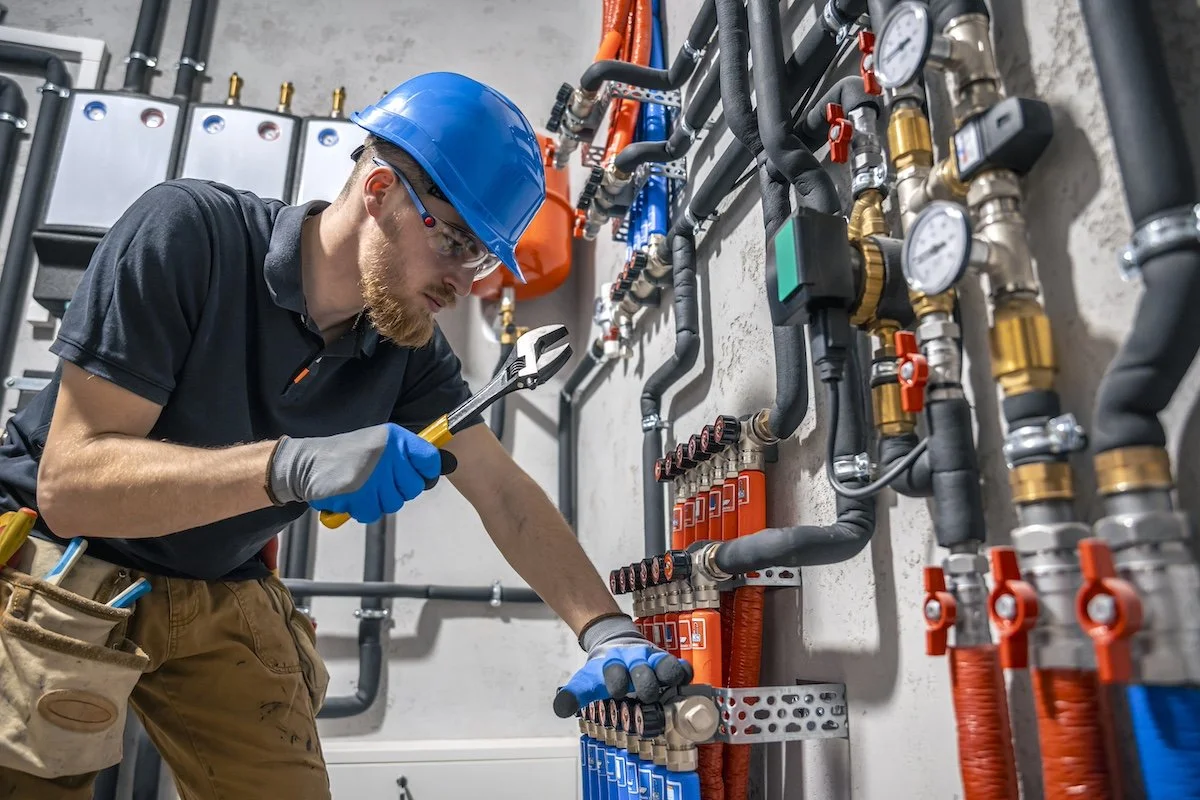
Skilled labor shortages and steady service demand are making established plumbing companies especially attractive to buyers.
-
![Construction business brokers reviewing a commercial jobsite before a company sale]()
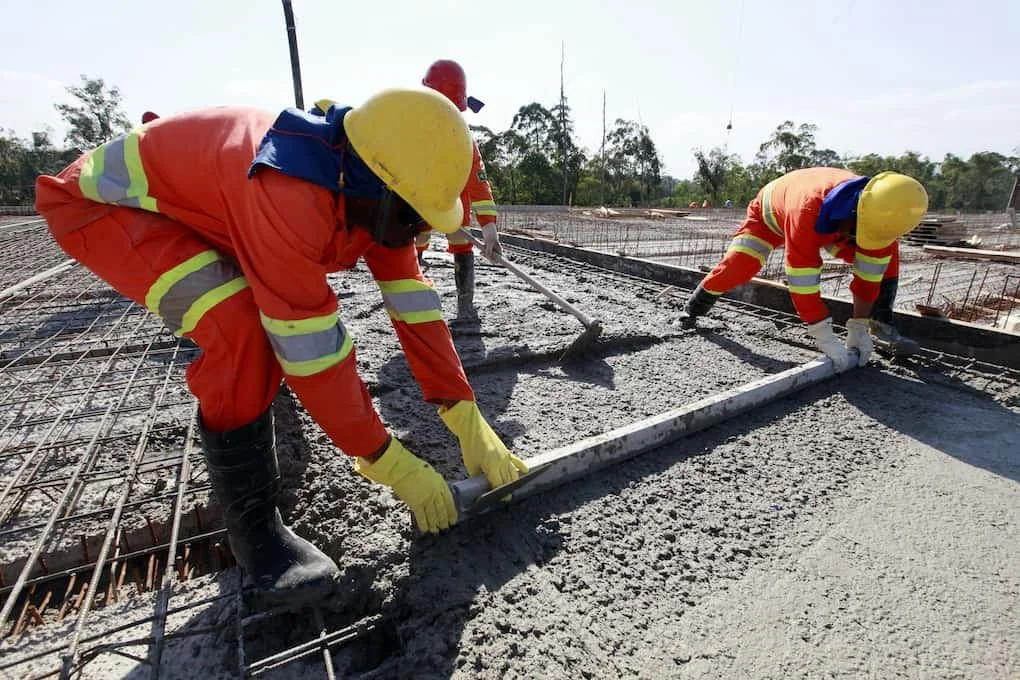
Infrastructure growth and limited competition are increasing the value of profitable concrete companies with reliable crews.
-
![Construction business brokers reviewing a commercial jobsite before a company sale]()
Strategic buyers and private equity groups are actively acquiring established construction businesses, making now a strong time to explore your options.




Running a Construction Business Is Hard Work. Selling It Should Not Be Harder.
Many construction business owners feel overwhelmed by:
Understanding what their company is truly worth
Finding a qualified buyer who values their team, equipment, contracts, reputation, and project backlog
Managing a complex and time consuming sales process while continuing to run the business
Protecting the employees, customers, and legacy they have spent years building
Without the right strategy, owners can leave significant money on the table or lose the opportunity to sell to the right buyer.
Whether you are ready to sell now or planning ahead, our construction business broker team will build a customized exit strategy designed to protect your legacy, attract qualified buyers, and help you achieve the strongest possible value.
Start the Next Chapter of Your Life Today
-

Find Out What Your Construction Business Is Worth
Schedule your free business valuation today! Our expert Construction business brokers specialize in helping you sell your construction business for maximum value.
-

Achieving a 90% Success Rate in Construction Business Sales
Because we carefully select our listings, we boast a 90% success rate in successfully selling construction-related businesses.
-

$0 No Upfront Construction Business Broker Fees
Sell your Construction business with confidence—pay no upfront fees! Our construction business brokers are dedicated to delivering results before you pay.
Maximize Your Exit With Construction Business Broker Experts

Construction is more than an industry we serve. Construction companies have been part of our family for generations, and we have firsthand experience building, operating, and selling them.
Construction Industry Expertise
We understand how crews, equipment, licensing, backlog, contracts, and reputation affect what buyers will pay.
Qualified Buyers Nationwide
We connect your business with individual buyers, strategic acquirers, and private equity groups seeking established construction companies.
Accurate Valuations
We evaluate cash flow, assets, growth potential, and market position to determine your company’s true value.
Confidential Support
We manage the process from valuation through closing, allowing you to stay focused on running your business.
What Our Clients Say

Get Your Free Copy of Our Sellers’ Success Book
The Ultimate Guide to Selling Your Construction Business – Sell Your Construction Business with Confidence, Backed by 25+ Years of Results
Selling your business is one of the most significant decisions you'll ever make—and you deserve to do it right. Whether you’re selling for the first time or are an experienced seller, our comprehensive guide will equip you with the insider knowledge and strategies to achieve the best possible outcome.
By clicking "Download Your Book," you are acknowledging that we may contact you via email and other methods to provide you with our book Selling Success. As Florida Business Brokers, we ensure you have all the tools you need to sell your business successfully.
Insights & Strategies from America’s Construction Business Brokers




Our Construction Business Brokers
-

Rajiv Khatri
Managing Partner
-

Sarah Khatri
Managing Partner
-

Franklin Luke
Business Sales Advisor
Find Out What Your Business Is Worth in Minutes With Our Online Valuation Tool
What Construction Business Brokers Actually Do (And Why Generalists Cost You Money)
Any broker can list a business. Listing is the easy part — and a listing is not a strategy.
A construction business broker's real work happens before and around the listing: pricing the company from what buyers and lenders will actually fund, preparing the financials and WIP schedules buyers will stress-test, building a licensing and bonding plan so the deal doesn't stall at the closing table, marketing the company blind so nobody learns your name without signing an NDA, and screening buyers so only the capable — not just the curious — get near your numbers.
Here's why the generalist broker fails contractors: construction deals break in places other deals don't have. A restaurant sale has no qualifying agent. A retail store has no surety. An e-commerce brand has no percentage-of-completion accounting. When a broker who's never handled those issues lists a contracting company, the problems surface in due diligence — which is the most expensive place to discover anything. The price gets renegotiated, the timeline doubles, or the buyer walks.
The trades are also where the buyer money went. Private equity groups have spent years consolidating roofing, plumbing, electrical, restoration, and HVAC companies, because skilled-trade businesses produce real cash flow doing work that can't be offshored or automated. At the same time, a generation of owners who built these companies over decades is heading for the exit. More capital, more sellers, bigger spread between prepared companies and everyone else. Buyers aren't paying premiums for construction companies. They're paying premiums for prepared construction companies. A broker who knows your industry is how you end up in the first group.
The rest of this page is the playbook we run: what your company is worth, what makes a contractor sale different, who's buying, and how the process protects you from first conversation to wire transfer.
What Is My Construction Business Actually Worth?
The honest answer: it's worth what a qualified buyer can finance and defend — not what a formula says.
For owner-operated companies, buyers price the business on Seller's Discretionary Earnings (SDE) — the cash flow a full-time owner-operator could reasonably expect, before your own compensation and the discretionary or one-time expenses running through the books. Owner-operated service businesses often trade around 1.5x to 3.5x SDE. Larger companies with management teams running day-to-day operations get valued on EBITDA, and the buyer pool shifts toward private equity and strategic acquirers — usually at stronger multiples.
The spread between 1.5x and 3.5x isn't luck. It's built. Here's what moves a contractor up the range:
Backlog with real margin in it. Signed contracts for future work are the closest thing construction has to recurring revenue. But buyers analyze backlog, they don't just count it. Contracted work at thin margins is volume, not value.
Recurring and negotiated revenue. Service agreements, maintenance contracts, repeat negotiated work with the same GCs and clients. A company that re-bids its entire top line every January is worth less than one where the work renews itself.
A crew that stays. Skilled labor is the hardest asset in America to hire. A trained, stable crew with named leaders is something a buyer cannot build quickly — and they'll pay for it.
Books a lender can underwrite. Three years of clean financials, job costing, and — for project-based work — WIP schedules that hold up under scrutiny. Most contractor deals are financed. If a lender can't underwrite your numbers, your buyer pool just shrank to cash buyers who expect a discount.
A business that runs without your cell phone. If the GCs call you, you do the estimating, and you shake every hand — the buyer isn't buying a company. They're buying a job that disappears when you do. Owner dependence is the most expensive problem in contractor exits.
Notice what's not on the list: how hard you worked, your revenue five years ago, what your buddy got for his company in 2022. Sellers value the past. Buyers pay for the future.
The only valuation that matters is buyer-backed — built from what real buyers and their lenders will support given your cash flow, risk, and transferability. That's the number we put in front of you before you commit to anything. If you've typed "sell my construction business" into a search bar at midnight, this number is where the real answer starts.
The Four Things That Make a Contractor Sale Different
Selling a construction business is not like selling a restaurant or a retail store. Four mechanics show up in contractor deals that most owners — and most generalist brokers — don't see coming. Handle them early and you sell from strength. Discover them in due diligence and your price gets renegotiated.
1. The license usually belongs to a person, not the company
In most states, contractor licensure runs through a licensed individual who qualifies the company to perform the work — and in most owner-operated companies, that individual is you. The buyer can't simply take the license over. Every deal needs a licensing plan: the buyer qualifies the company, a licensed key employee steps in, or you stay on through a defined transition. Requirements vary by state and license type — verify the rules with your state board or a construction attorney. The strategic point doesn't vary: a deal that reaches the closing table without a license plan stalls there.
2. Bonding doesn't automatically follow the company
Your surety underwrote you — your financials, your track record, often your personal guarantee. A new owner has to establish their own bonding relationship, and the surety will underwrite the buyer. Bonded jobs that are mid-flight at closing become negotiated deal terms. Raise the bonding conversation at the start of the process, not the end.
3. WIP is where contractor deals live or die
Buyers will test your work-in-progress schedules: over- and under-billings, realistic cost-to-complete, whether your historical estimates held or your jobs show profit fade. Sloppy WIP reporting doesn't just lower the price — it makes sophisticated buyers walk. Clean percentage-of-completion reporting is the single highest-return preparation investment a project-based contractor can make.
4. Equipment is usually in the price, not on top of it
The fleet produces the cash flow, and the buyer is paying for the cash flow — so equipment needed to generate the earnings is generally included in the multiple. Stacking full equipment value on top of an earnings multiple double-counts. Genuinely surplus equipment can sometimes be carved out and sold separately. That's a structuring conversation, and it should happen before you go to market.
Who Buys Construction Companies?
Three buyer pools, three different deals:
Individual buyers, usually SBA-financed. Operators and corporate refugees buying a company to run. They need lender-ready financials and a believable transition plan. This is the deepest pool for owner-operated companies, and SBA financing means your books get underwritten twice — by the buyer and the bank.
Strategic buyers. Other contractors and trades companies expanding into your territory, your trade, or your customer list. They pay for what they can't easily build: your crew, your contracts, your reputation with the GCs and clients who already trust you. They're also your competitors — which is why confidentiality is non-negotiable (more below).
Private equity and consolidators. PE groups have been rolling up the trades aggressively — buying a platform company, then adding smaller companies around it. They pay the strongest multiples for companies with management depth, recurring revenue, and clean financials. If your company runs without you, this pool exists for you. If it doesn't, that's a preparation problem with a known fix — and the difference in outcome is often measured in multiples, not percentage points.
A construction business broker's job is putting your company in front of all three — screened for financial capacity, intent, and ability to close. Interest is not ability. A buyer who can't show proof of funds and a credible licensing plan doesn't get your financials.
What Buyers Pay For, Trade by Trade
Every trade gets valued through the same lens — cash flow, risk, transferability — but buyers weight things differently depending on what you do. Here's the buyer's-eye view of the trades we broker:
Restoration and Remediation
The trade buyers quietly love: demand is non-discretionary and insurance-driven — water, fire, mold, and storms don't check the economic calendar. Buyers pay for 24/7 dispatch capability, carrier and TPA program relationships, and certified technicians. What they scrutinize: concentration in one or two TPA programs, and how much of the referral flow is tied personally to you.
Cleaning and Janitorial
Contract commercial cleaning is recurring revenue in its purest form — and recurring revenue is what buyers pay up for. Monthly contracts, route density, low capital requirements, and a supervisor structure that doesn't need the owner on-site. What they scrutinize: contract churn, labor turnover, and any single account driving too much of the book.
Concrete
Equipment-heavy, capability-driven, and hard to enter — the barriers protect your margins, and buyers know it. They pay for specialty capabilities, GC relationships that produce repeat negotiated work, and an experienced field crew. What they scrutinize: project concentration, WIP quality, and how the fleet was maintained.
Roofing
One of the most actively consolidated trades in the country — private equity platforms have been acquiring roofing companies at a pace the industry has never seen. Buyers pay for production capacity, sales systems that don't depend on the owner, and a balanced mix of retail, commercial, and insurance work. What they scrutinize: storm-revenue spikes that won't repeat, warranty exposure, and crews that follow the owner out the door.
Plumbing
Service-and-repair plumbing companies — dispatch boards full of small-ticket, high-frequency work — attract stronger buyer demand than new-construction-only shops, because the revenue doesn't depend on winning the next bid. Buyers pay for the service mix, membership programs, and licensed techs. What they scrutinize: your service-versus-new-construction ratio and licensed workforce depth.
Electrical
The licensed workforce is the asset. In a trade where every project needs credentialed people and every market is short of them, a stable bench of licensed electricians is worth more than any single contract. Buyers pay for workforce depth, commercial service agreements, and prequalification with the GCs and facilities that gate the good work. What they scrutinize: whether the master license walks out with you.
Landscaping
Two companies, same revenue, very different prices: the maintenance-contract company beats the install-only company, every time. Recurring commercial maintenance, route density, and multi-year HOA and commercial contracts are what buyers fund. What they scrutinize: install/maintenance mix, seasonality, and crew retention.
HVAC
The most mature buyer market in the trades — maintenance-agreement revenue, service mix, and consolidator demand have made HVAC the reference case for how the trades get valued. We've built a dedicated resource for it: if HVAC is your business, start with our sell my HVAC business page.
General Contractors
GCs carry the most value in relationships and reputation — and that's exactly what buyers worry about transferring. They pay for contracted backlog with documented margin, prequalification with agencies and repeat clients, and an estimating and PM team that functions without the owner. What they scrutinize: owner-held client relationships, bonding capacity, and bid-and-burn revenue that resets to zero every year.
Every Other Construction Business
Excavation and sitework, framing, drywall, painting, masonry, paving, pool construction, specialty subs — the lens doesn't change. Cash flow. Risk. Transferability. If your trade isn't listed above, the valuation conversation works exactly the same way, and it starts with a confidential call.
How the Sale Actually Works (And How Long It Takes)
Most business sales take 6 to 12 months from market to close. Construction deals can run longer when license transitions, bonding underwriting, or in-progress contracts add steps — which is exactly why the sequencing matters. The process we run as your construction business broker:
Buyer-backed valuation. What qualified buyers will pay and what lenders will finance — before you decide anything. Free, confidential, no obligation.
Pre-market preparation. WIP and add-back cleanup, owner-dependence reduction, license and bonding planning. The work that moves you up the multiple range happens here.
Blind, confidential marketing. Your company is described without being identified. Nobody — not your crew, not your GCs, not your competitors — learns your name without signing an NDA and proving they're real.
Buyer screening. Proof of funds, experience, licensing plan, timeline. We filter the curious from the capable before they get near your information.
Competitive negotiation. Multiple screened buyers, structured deal terms — price, structure, transition, and what happens to your people.
Due diligence through closing. We run the process, coordinate with your attorney and CPA, and keep the deal moving while you keep running the business. You stay focused on the work; we get you to the wire.
And about that confidentiality point — in construction, a leaked sale isn't embarrassing, it's expensive. GCs quietly drop you from bid lists. Sureties get cautious. Competitors start calling your foremen the same week. The leak damages exactly the assets the buyer is paying for. Confidentiality is not a courtesy. It is deal protection. It's engineered into every step above.
How Sailfish Turns What You Built Into What Buyers Fund
We've spent 25+ years on this and helped more than 1,000 owners through it — construction and the trades are core to that work, not a sideline. We built and sold our own companies before we ever brokered anyone else's, so we know the difference between a business plan and a payroll Friday.
What that experience buys you:
A valuation grounded in buyers, not theory. We tell you what your company will actually trade for — including when the honest answer is "prepare for 18 months first, and here's exactly what to fix."
A national buyer network with construction appetite. Individual buyers with SBA pre-approval, strategic acquirers, and the PE groups consolidating the trades — already in our network, already screened.
The contractor-specific issues raised on day one. License transition, bonding, WIP, equipment treatment — surfaced and planned at the start, so they strengthen your negotiating position instead of ambushing your closing.
100% success-based fees. No retainers. No monthly billing. We get paid when your deal closes — which means we only take engagements we believe will close, and we tell you the truth before you sign anything.
You built this company through recessions, labor shortages, material spikes, and a thousand jobs that had to be right. The exit is the one project you only get to run once. Run it with people who've run it a thousand times.
Frequently Asked Questions
What does a construction business broker do?
A construction business broker values your company from what buyers will actually fund, prepares your financials and WIP for buyer scrutiny, plans the license and bonding transitions, markets the business confidentially without identifying it, screens buyers for proof of funds and ability to close, and manages negotiation and due diligence through closing — while you keep running the company.
How much do construction business brokers charge?
Main Street business sale commissions often run 8–12% of the sale price, typically paid at closing. Sailfish works on a 100% success-based model: no retainers, no upfront or monthly fees — we're paid only when your deal closes, which keeps our incentives aligned with your outcome.
How much can I sell my construction business for?
Owner-operated construction and trades businesses often sell for roughly 1.5x–3.5x Seller's Discretionary Earnings; larger companies with management teams are valued on EBITDA, typically at stronger multiples. Where you land depends on backlog quality, recurring revenue, owner dependence, crew stability, and how well your financials hold up under a lender's review — not on revenue alone.
Can I sell my construction business if the contractor license is in my name?
Yes — but the license usually doesn't transfer with the company. In most states the business must be qualified by a licensed individual, so every deal needs a plan: the buyer qualifies the company, a licensed key employee steps in, or you stay on through a transition period. Rules vary by state; verify with your state licensing board or a construction attorney early.
What happens to my bonded jobs when I sell?
Bonding capacity is underwritten to the current ownership and doesn't automatically follow the company — the buyer establishes their own surety relationship, and jobs that are bonded and in progress at closing become negotiated deal terms. Raising the bonding question early in the process prevents it from becoming a closing-week problem.
Will my employees and GCs find out my company is for sale?
Not if the sale is run correctly. Blind marketing describes your business without identifying it, buyers sign NDAs before any meaningful disclosure, financial detail is released in stages, and proof of funds comes before sensitive information moves. In construction, confidentiality protects the exact assets the buyer is paying for: your crew, your relationships, and your bid list.
How long does it take to sell a construction business?
Most business sales take 6 to 12 months from going to market to closing. Construction deals can take longer when license transitions, bonding underwriting, or mid-flight contracts add steps. Owners who get premium outcomes typically start preparing 1–2 years before going to market.
Do you only work with Florida construction companies?
No. Sailfish is headquartered in Florida, and for construction and trades businesses we work with owners nationwide — our buyer network of individual, strategic, and private equity acquirers spans the country.
How does Sailfish Equity Advisors help construction business owners sell?
Sailfish provides buyer-backed valuation, pre-market preparation, blind confidential marketing, buyer screening with proof-of-funds review, and deal positioning through closing — built on 25+ years and 1,000+ owners served. For contractors, that includes putting license, bonding, WIP, and equipment questions on the table at the start, so they strengthen the deal instead of stalling it.
Ready to Find Out What Your Company Is Worth?
The first step isn't choosing a broker. It's knowing your number — the one real buyers will fund. Get that for free, and you'll know within one conversation whether we've earned the rest of the job.
Book Your Free Confidential Valuation →
No retainers. No pressure. Nobody knows you're asking.