
Construction Company Exit Planning

Sell Your Construction Business. Step Into Freedom.
Create the Future You Deserve— It Starts with Selling Your Construction Business



Thinking About Selling Your Business?
Find Out What Your Business is Worth!
25+ Years of Success: Exclusive Buyers. Maximum Value. Zero Upfront Fees.
- ✓92% Success Rate – Proven expertise in closing efficiently.
- ✓Sell in as Fast as 90 Days – A streamlined, efficient process.
- ✓100% Confidential Sales – Protecting your business.
- ✓Multiple Competitive Offers – Serious buyers waiting.
Now is the Perfect Time to Sell Your Construction Business
Let Us Help You Get the Best Price




Why Construction Business Owners Trust Sailfish Equity Advisors
Construction Experience That Matters
• Construction has been part of our family for generations
• We have helped build, operate, and sell construction companies
• We understand what buyers value and what can hurt a deal
Florida Roots. Nationwide Buyer Reach.
• Deep knowledge of the Florida construction market
• Access to strategic buyers, SBA qualified investors, and private equity groups
• Nationwide reach to create stronger buyer competition
A Strategy Built Around Your Business
We highlight the areas that drive value, including:
• Experienced crews and management
• Project backlog and contracts
• Customer relationships
• Equipment and assets
• Licensing, reputation, and growth potential
A Proven Process
• Accurate business valuation
• Confidential marketing
• Qualified buyer screening
• Strong negotiations
• Support through due diligence and closing
Thinking About Selling?
Start with the facts. Our free, confidential valuation helps you understand:
• What your construction business is worth
• What could increase its value
• Whether now is the right time to sell
Sailfish Equity Advisors
Built by entrepreneurs. Backed by generations of construction experience. Focused on your legacy..





Construction Company Exit Planning: The 2–3 Year Runway That Pays for Itself
Construction company exit planning is the work of making your company buyable before you need it to be: financials a lender can underwrite, operations that run without your cell phone, key people who stay, customers who aren’t concentrated, and a license and bond line that survive your departure. Done over a 2–3 year runway, each fix moves your multiple. Done in a panic, none of them can.
Sailfish Equity Advisors is a Florida-based business brokerage and M&A advisory firm helping construction and trades business owners across the country value, prepare, confidentially market, and sell their companies — buyer-backed valuation, buyer screening, staged confidentiality, and deal positioning, sequenced years before a listing when owners let us. What follows is the audit we’d run on your company, fix by fix.
Why Does the Exit Runway Start Two to Three Years Out?
Because everything that raises a construction company’s multiple takes years to become credible. Buyers want three years of clean financials — you can’t backfill those. A manager needs a year of running things before a buyer believes it. Customer mix shifts slowly. Exit planning isn’t paperwork; it’s operating differently for a few years, on purpose.
The math makes the runway worth it. Owner-operated service businesses often sell around 1.5x–3.5x Seller’s Discretionary Earnings — SDE being the cash flow a full-time owner-operator could expect, before the owner’s own compensation and discretionary expenses. The spread between the bottom and top of that range isn’t luck; it’s risk — and every fix below removes a specific risk a buyer would otherwise price against you. On the same earnings, moving from 2x to 3x is a 50% bigger wire — and the work usually makes the company more profitable while you still own it.
One more reason the clock matters: exit windows open on their own schedule — health, partners, burnout, an unsolicited offer. The best exits are prepared long before the owner is tired. Desperate sellers take the buyer’s terms; prepared sellers set them.
Fix One: Would Your Financials Survive a Lender’s Read?
The first audit question, because financing is where deals live or die. A buyer’s lender will rebuild your earnings from tax returns, job-cost records, and — for project work — WIP schedules. If the numbers reconcile, your earnings are bankable. If they don’t, your buyer pool shrinks to cash buyers, and cash buyers expect discounts.
Start with WIP, because in construction it’s the credibility test. Percentage-of-completion reporting that shows realistic cost-to-complete, honest over/under-billings, and estimates that historically held — that’s what convinces a sophisticated buyer your margins are real. Profit fade across your job history tells the opposite story. If your WIP discipline is loose, fixing it is the single highest-return project on this list, and your CPA should start this quarter, not the quarter you list.
Then the add-backs. The truck, the family member on payroll, the season tickets, the one-time legal bill — legitimate add-backs raise SDE dollar for dollar, and at a 2x–3x multiple, every documented add-back dollar returns two or three at closing. Unsupported ones make buyers doubt the whole file. Two years of deliberately clean books — personal expenses out, every adjustment papered — is worth more than any brochure you’ll ever print.
Multiple impact: lender-ready books don’t just nudge the multiple — they expand who can buy you at all. Financeable deals attract more buyers, and more buyers is how multiples get bid up.
Fix Two: Can You Name the Person Who Replaces You?
Not a concept — a name. Exit planning’s core exercise is the named-people plan: for every function you personally perform — estimating, client relationships, scheduling, field supervision, collections — write down who does it the day after closing. Every line that says “me” with no name behind it is a discount a buyer will calculate.
Owner dependence is the most expensive problem in trades exits because it converts a company into a job. A buyer staring at a business where you price the work, hold the GC relationships, and approve every PO isn’t valuing a company — they’re valuing what’s left when you walk out, which may be trucks and a phone number.
The runway version of the fix is delegation with evidence. Promote or hire your operations lead and let them run jobs you never visit. Move client relationships to two-deep — every key account knowing a named person besides you. Get the estimating logic out of your head and into a process someone else has used to win work. Then build the proof a buyer can verify: an org chart with real names, and a calendar showing you took two consecutive weeks off while the company hit its numbers.
Multiple impact: the biggest lever on the list. A company that demonstrably runs without its owner moves up the SDE range and — at sufficient scale — opens the door to EBITDA-based valuations and an entirely better buyer pool.
Fix Three: Will Your Key People Stay After the Wire Hits?
Buyers will ask, by name: will the senior PM, the lead estimator, and the field super still be here a year after closing? In a labor-starved industry, your trained people are often the asset hardest to replace — so key-person retention isn’t an HR nicety in exit planning. It’s deal architecture.
The buyer’s fear is simple: they fund the purchase, you exit, and the two people who actually run production leave within ninety days. Buyers price that fear with holdbacks, earnouts, and retention conditions unless you’ve removed it in advance.
Removing it looks like this, started years out: pay your key people at or above market before a buyer audits your payroll and finds them poachable. Build stay incentives — retention bonuses tied to tenure through a transition, phantom equity, or profit shares — structured with your attorney so a sale is something they benefit from, not a rumor they fear. Develop a second layer under each key person so nobody is irreplaceable. You don’t have to tell anyone an exit is coming — you’re simply building the team a buyer will fund, which is also the team that makes your life easier now.
Multiple impact: documented team stability strips holdbacks and earnout contingencies out of deal structure — meaning more of the price arrives as cash at closing — and bench depth under named leaders pushes the multiple itself.
Fix Four: Does One Customer Own Your Multiple?
Run the report today: revenue by customer, three years back. When a single customer — one GC, one developer, one municipality — passes roughly 20–30% of revenue, buyer concern kicks in, and offers start arriving with discounts, earnouts, or escrows attached. Concentration is the most measurable risk on this list, and the slowest to fix. Start first.
Construction concentrates naturally. The GC who loves your work keeps handing you projects; saying yes is good business — until the relationship quietly becomes the company. A buyer sees a single point of failure — and if the relationship is personally yours, the risk compounds, because the buyer inherits neither the customer nor the bond between you.
The runway fix is deliberate diversification, and it takes the full two to three years: add a second customer type or trade vertical, and build the marketing engine — even a modest one — that produces inbound work no single relationship controls. Where the big account is unavoidable, deepen its roots beyond you: multiple contacts inside their organization, your PMs embedded in their projects, terms renewed in writing. You won’t always erase the percentage. You can change what it means.
Multiple impact: concentration is priced directly — discounted offers and contingent structures when it’s high, full-price cash offers when it’s not. Diversified revenue also removes the deal terms that hold your money hostage after closing.
Fix Five: Who Holds the License and the Bond Line After You?
In most states, your company operates on the license of a qualifying individual — usually you — and your bonding capacity is underwritten to current ownership, often with your personal guarantee. Neither transfers automatically. Exit planning means building the succession answer years early: a licensed key employee, a buyer qualification path, or a planned transition period.
The license question has a runway-friendly fix most owners never consider: sponsor a key employee to get licensed now. A senior PM or estimator who earns the credential becomes a qualifying answer a buyer can rely on instead of a regulatory cliff at closing. Rules vary meaningfully by state and license type, so verify the specifics with your state board or a construction attorney — but in every state, the deal with a license plan beats the deal without one.
Bonding succession is about underwritability. A surety will evaluate whoever owns the company next, and they’ll want what lenders want: consistent financial statements, a balance sheet with real working capital left in it, a claims-free history. Owners who strip cash out aggressively in their final years often discover they’ve weakened the very balance sheet the next owner’s surety needs to see. If your work is bonded, get your CPA on this two years out.
Multiple impact: license and bonding gaps rarely lower the offer — they kill or stall the deal entirely, usually at the closing table. Solving them early protects the number every other fix earned you.
When Should You Get Your First Valuation?
Now — even if selling is five years away. A buyer-backed valuation at the start of the runway turns exit planning from guesswork into a punch list: your number today, the specific gaps holding it down, and what each fix is worth. You can’t manage toward a multiple you’ve never measured.
A real valuation is not an online calculator or an industry rule of thumb. It’s an analysis of what qualified buyers and their lenders would actually fund for your company — earnings quality, owner dependence, concentration, transferability, financing strength. Treat it like the baseline survey before a build, then re-measure annually and watch the gap close. This is also the natural moment to understand the process itself — what working with a construction business broker involves, from valuation through confidential marketing, buyer screening, and close — so when your window opens, the playbook is already familiar. Owners who know their number years early aren’t sellers-in-waiting — they’re owners building toward a price.
How Sailfish Builds the Runway Backward From the Buyer
Most exit planning advice isn’t anchored to what buyers actually pay for. Ours is — that’s what 25+ years and 1,000+ owners served buys you. We start with the buyer-backed valuation: your number today, defended by what real acquirers and lenders would fund, not a formula. Then the gap list, in priority order: which of the five fixes above moves your multiple most, what each costs, what each returns.
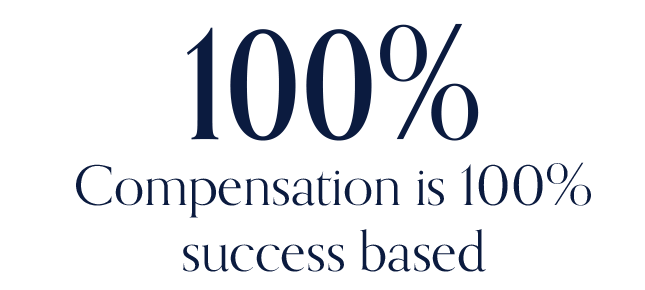
Sometimes the honest output is “you’re ready now — here’s the process.” More often it’s “you’re 24 months from your best exit, and here’s the sequence.” Either way, you get the truth early, because our fee is success-based and paid at closing — we have no retainer to protect and no reason to flatter you. And when the runway ends, the same team runs the confidential sale: blind marketing, NDA-gated disclosure, proof-of-funds screening, and deal management through the wire. The plan and the exit, one thread.
Frequently Asked Questions
What is construction company exit planning?
Exit planning is preparing a construction business to be sold at maximum value before going to market: cleaning financials and WIP reporting, reducing owner dependence with named successors, retaining key employees, fixing customer concentration, and arranging license and bonding succession. Each fix removes a risk buyers would otherwise discount.
How far in advance should I plan my construction company exit?
Two to three years is the working standard. Buyers want three years of clean financials, managers need a year or more of demonstrated authority, and customer diversification moves slowly. Less runway still helps — but the highest-value fixes are the ones that need the most time, so start before you feel ready.
What raises the value of a construction business the most before a sale?
Reducing owner dependence, backed by lender-ready financials. A company that demonstrably runs without its owner — named leaders, two-deep client relationships, documented systems — moves up the 1.5x–3.5x SDE range and attracts stronger buyer pools. Clean WIP and documented add-backs make those earnings bankable.
Should I get a valuation if I’m not selling for years?
Yes — that’s exactly when it’s most useful. An early buyer-backed valuation gives you the baseline number, the prioritized gap list, and a way to measure progress annually. Owners who wait discover their problems in diligence — the most expensive place to learn anything.
Can I do exit planning without my employees finding out?
Yes. Valuation, financial cleanup, add-back documentation, and concentration analysis all happen quietly between you, your CPA, and your advisor. Visible moves — promoting a manager, sponsoring a license, adding retention bonuses — read as good management, because they are.
How does Sailfish Equity Advisors help construction business owners plan their exit?
Sailfish starts with a buyer-backed valuation — your number today and the gaps holding it down — then sequences the fixes that move the multiple: financial and WIP cleanup, owner-dependence reduction, retention planning, license and bonding succession. When you’re ready, the same team runs the confidential sale through closing. 25+ years, 1,000+ owners served.
Get the Baseline Number Your Exit Plan Needs
Every runway starts with a measurement. Get a confidential, buyer-backed valuation of your construction company now — and a straight answer about what two or three deliberate years could add to it. Book a call with Sailfish. No retainers. No pressure. Nobody knows you’re planning.
For statewide guidance on valuation, confidentiality, buyer qualification, and closing, visit our Florida business broker guide.