

Florida Business Sale Insights
Research and practical guidance for Florida business owners preparing for a future sale. Explore articles on valuation, SDE and EBITDA, confidentiality, buyer qualification, due diligence, broker fees, financing, and regional market considerations.

Construction Company Exit Planning
The difference between a 2x exit and a 3x exit isn’t found at the closing table — it’s built in the two or three years before it. This is the construction company exit planning audit: five fixes, each tied to how it moves your multiple, plus the one step to take immediately even if selling is years away.

How Long Does It Take to Sell a Construction Business?
Most business sales take 6 to 12 months from market to close — and construction deals carry four extra clocks most owners don’t see coming: license transition, surety underwriting, WIP review, and SBA financing. Here’s the phase-by-phase timeline, what stretches it, what you control, and how preparation compresses the whole thing.

Selling a Florida General Contracting Business: Backlog, Licensing, and Working Capital
Selling a general contracting business requires careful preparation. Learn how buyers evaluate financial records, WIP reports, backlog, management, bonding, licensing, customer concentration, and owner dependence before making an offer.

Janitorial Business Valuation: Contracts, Crew Stability, and Customer Concentration
Janitorial doesn’t look glamorous on a brochure — and that’s exactly why it sells. Contract cleaning is the purest recurring revenue in the trades, the easiest service business to finance, and a magnet for first-time buyers and search funds. Here’s how to sell a janitorial business for what the contracts are really worth.

Restoration Business Valuation: Storm Revenue, Referral Sources, and Working Capital
Restoration companies attract some of the strongest buyer demand in the trades — but TPA concentration and slow carrier receivables can quietly cut your price. Here’s the playbook for selling a restoration business: what your dispatch operation, certifications, and referral mix are worth, and how to get paid for all of it.
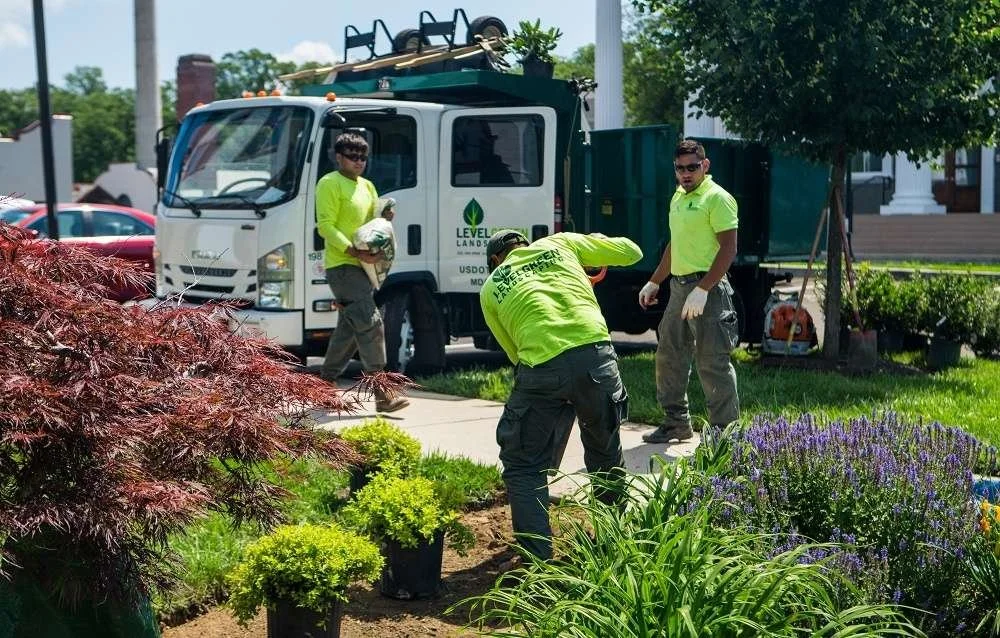
Landscaping Business Valuation: Contracts, Route Density, Crews, and Repeat Revenue
Buyers don’t buy mowing — they buy the contract book. The spread between a discounted install-only exit and a top-of-range sale comes down to maintenance mix, multi-year commercial and HOA contracts, route density, and crews that stay. Here’s how each one prices, and how to fix the ones working against you.
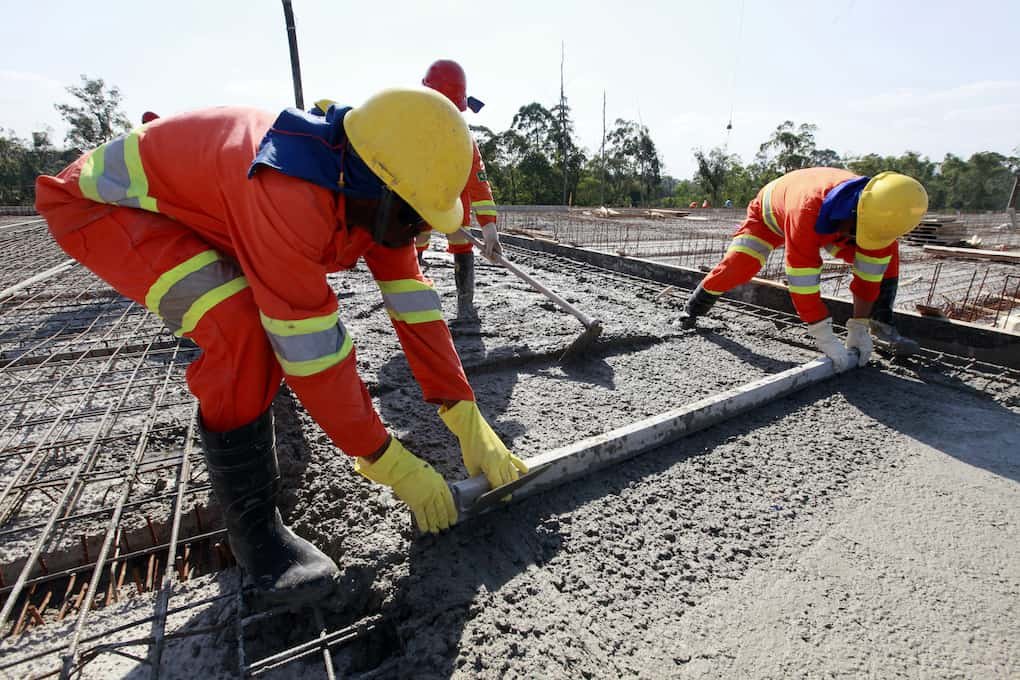
Concrete Business Valuation: Fleet, Crew, Backlog, and Repeat Work
Concrete contractors usually price their company by adding up the iron. Buyers price it by the cash flow the iron produces — and the difference between those two views decides whether your deal closes. Equipment treatment, WIP discipline, customer concentration, and negotiated work, explained the way buyers see them.
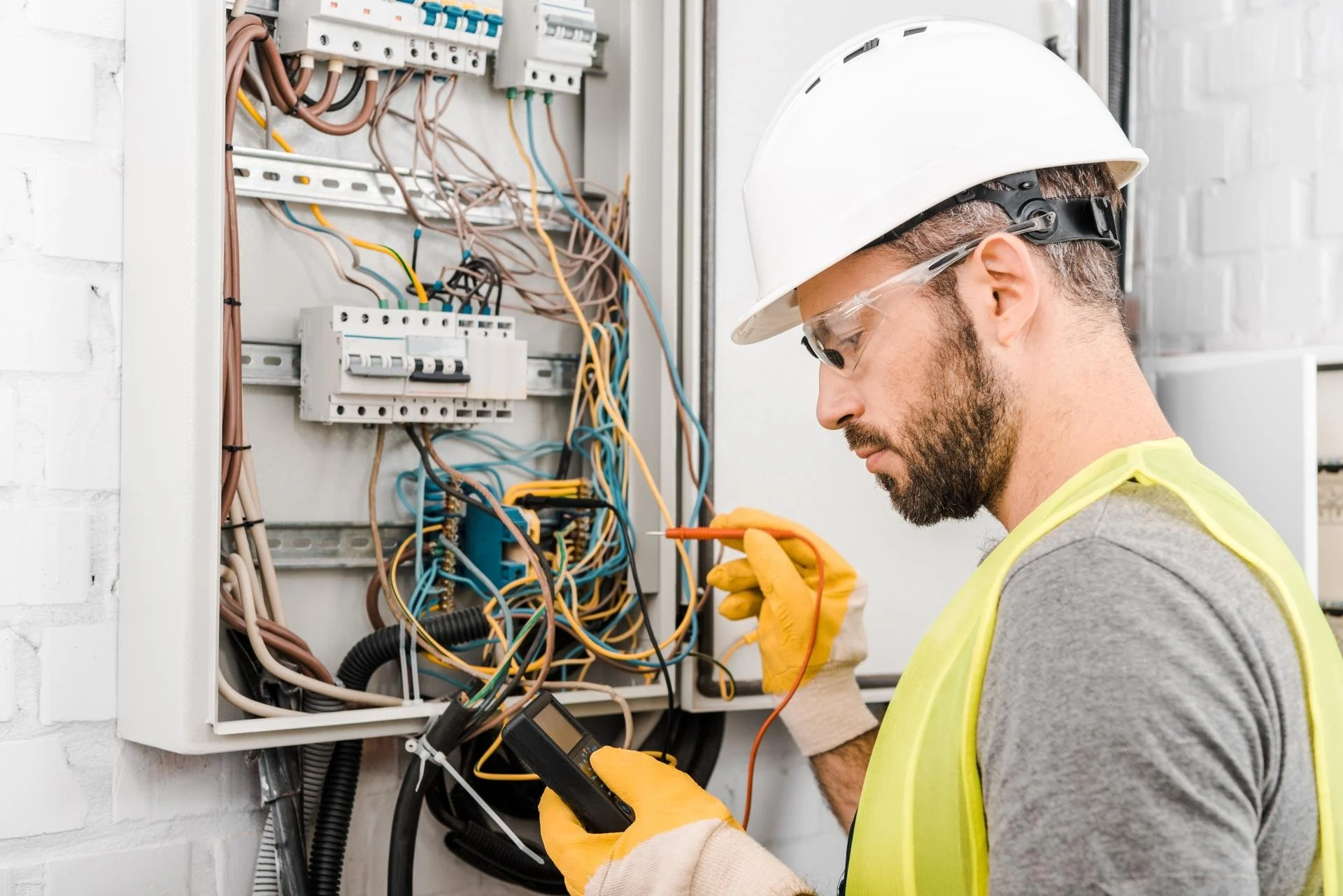
Selling an Electrical Contractor: License Continuity, Service Mix, and Crew Depth
The most common deal-killer in electrical contractor sales isn’t price — it’s the master license sitting in the owner’s name. Here’s how to make your electrical business transferable, what buyers pay for service contracts and prequalification, and why the demand tailwind is on your side.

Plumbing Business Valuation: Service Agreements, Dispatch, and License Continuity
Plumbing businesses are selling for more than they ever have — but the spread between a 1.7x exit and a 3.2x exit is wide, and it’s built years before the sale. Service mix, membership programs, licensed bench depth, and your dispatch data decide which one you get.

Roofing Business Valuation: Storm Work, Backlog Quality, and Crew Risk
Private equity platforms have multiplied across roofing, and they’re paying real money — for the right companies. Here’s how buyers separate repeatable revenue from storm spikes, what happens to your warranty tail, and how to sell your roofing business while the consolidation wave is still building.

Selling a Construction Company to a Competitor: 7 Confidentiality and Deal Risks
Your competitor might be your best buyer — they already understand what you’ve built and can pay for what they can’t replicate. They’re also the one buyer who profits from the conversation even if the deal dies. Here are the five mistakes contractors make selling to a competitor, and the staged-disclosure process that prevents every one of them.
Should You Sell Your Construction Company or Create an ESOP?
Construction is one of the biggest ESOP industries in the country, and the pitch is compelling — legacy, tax advantages, employee ownership. But ESOPs carry costs and constraints the brochures skip. Here’s an honest side-by-side against a third-party sale, and a framework for deciding which exit actually fits you.

Private Equity Is Buying Construction Companies: What Owners Need to Know Before Selling
Nearly half the buyers in construction M&A are now private equity groups running a roll-up playbook. This field guide explains how platforms and add-ons actually work, why PE pays more for management depth and recurring revenue, and why answering that unsolicited call without competition is the most expensive mistake an owner can make.

Who Buys Construction Companies? The 3 Buyer Types Owners Should Know Before Selling
Three very different groups buy construction companies, and they don’t pay the same way or dig the same way in due diligence. Here’s how individual SBA buyers, strategic acquirers, and private equity groups each value a contractor — and how to figure out which pool your company is actually built for.

What Buyers Look For in a Construction Company: 7 Things to Fix Before You Sell
Buyers evaluate a construction company through a remarkably consistent lens: can the cash flow survive the owner’s exit? This 7-point self-audit walks the exact checklist buyers run — financials and WIP, customer concentration, owner dependence, crew stability, safety record, equipment condition, and pipeline quality — so you can grade your company before a buyer does it for you.

Construction Business Sale Taxes in Florida: Deal Structure, Asset Allocation, and Net Proceeds
The sale price is not the number that matters — the after-tax wire is. For equipment-heavy construction companies, depreciation recapture, purchase price allocation, and structure decisions made (or skipped) before listing can swing what you keep by six figures. Here are the five tax mistakes contractors make on the way out, and when to get your CPA involved.

Construction Business Sale Structures: Asset Sale vs. Stock Sale Explained for Owners
Buyers default to asset sales. Sellers prefer stock sales. In most industries that tug-of-war is about taxes and liability — but in construction, licenses, bonding, and contract continuity can flip the logic entirely. Here’s how the structure decision actually works, and how to use it as a negotiating lever instead of a concession.
Florida Contractor License Continuity: 3 Ways to Keep a Business Sale Alive
: In most states, a contractor license attaches to a person, not the company — so it doesn’t ride along when you sell. This playbook covers the three transition paths every deal uses, walks Florida’s qualifying agent rules as the worked example, and explains why unprepared license transitions quietly kill contractor sales.

Surety Bond Continuity When Selling a Construction Company: What Buyers and Underwriters Need
Surety bonds don’t follow the company when you sell — they were underwritten to you. This field guide covers what happens to bonded jobs that are still running at closing, what sureties want to see in a buyer, and why raising bonding in month one protects your price instead of shrinking it.

Florida Construction Business Valuation: Licenses, Bonding, Backlog, and Buyer Risk
Florida construction companies attract serious buyers — but the contractor license belongs to a person, not the company, and that catches owners off guard. Here’s what buyers actually pay for, what makes them nervous, and how to plan the qualifying-agent handoff, bonding transfer, and valuation before you go to market.