
Private Equity Is Buying Construction Companies: What Owners Need to Know Before Selling

Sell Your Construction Business. Step Into Freedom.
Create the Future You Deserve— It Starts with Selling Your Construction Business

Thinking About Selling Your Business?
Find Out What Your Business is Worth!
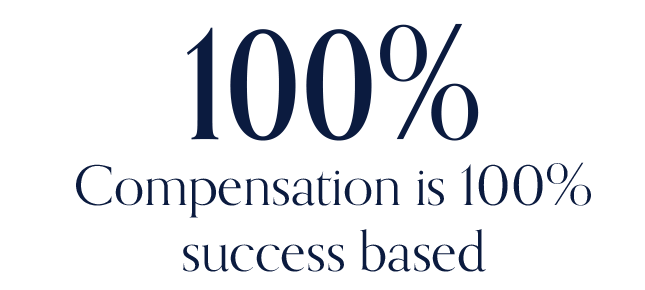
25+ Years of Success: Exclusive Buyers. Maximum Value. Zero Upfront Fees.
- ✓92% Success Rate – Proven expertise in closing efficiently.
- ✓Sell in as Fast as 90 Days – A streamlined, efficient process.
- ✓100% Confidential Sales – Protecting your business.
- ✓Multiple Competitive Offers – Serious buyers waiting.
Now is the Perfect Time to Sell Your Construction Business
Let Us Help You Get the Best Price




Why Construction Business Owners Trust Sailfish Equity Advisors
Construction Experience That Matters
• Construction has been part of our family for generations
• We have helped build, operate, and sell construction companies
• We understand what buyers value and what can hurt a deal
Florida Roots. Nationwide Buyer Reach.
• Deep knowledge of the Florida construction market
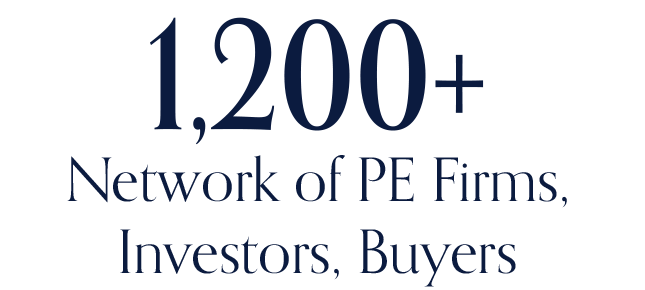
• Access to strategic buyers, SBA qualified investors, and private equity groups
• Nationwide reach to create stronger buyer competition
A Strategy Built Around Your Business
We highlight the areas that drive value, including:
• Experienced crews and management
• Project backlog and contracts
• Customer relationships
• Equipment and assets
• Licensing, reputation, and growth potential
A Proven Process
• Accurate business valuation
• Confidential marketing
• Qualified buyer screening
• Strong negotiations
• Support through due diligence and closing
Thinking About Selling?
Start with the facts. Our free, confidential valuation helps you understand:
• What your construction business is worth
• What could increase its value
• Whether now is the right time to sell
Sailfish Equity Advisors
Built by entrepreneurs. Backed by generations of construction experience. Focused on your legacy..





Private Equity Is Buying Construction Companies. Here’s How the Game Works.
Private equity is buying construction companies because the trades produce durable cash flow that can’t be offshored, automated, or talked down by a chatbot. Sponsor-backed buyers drove nearly half of all construction services M&A in 2025. If you own a contracting business with real earnings, you’re not wondering whether the call comes. You’re deciding what to do when it does.
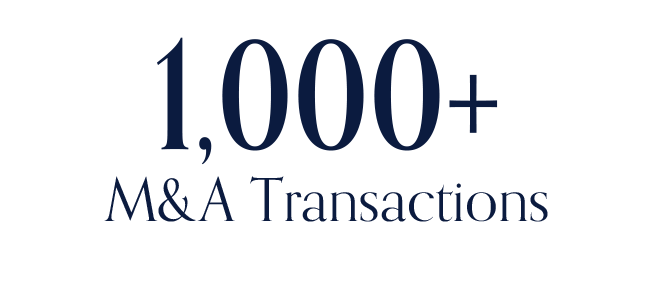
Sailfish Equity Advisors is a business brokerage and M&A advisory firm helping construction and trades owners across the country value, prepare, confidentially market, and sell their companies — buyer-backed valuation, buyer screening, staged confidentiality, and deal positioning, all sequenced before going to market. Headquartered in Florida, working with a national network of individual, strategic, and private equity buyers. 25+ years. 1,000+ owners helped.
This is the field guide: how the roll-up machine works, what it pays for, and where unprepared owners leave money on the table.
What Is a Trades Roll-Up, Really?
A roll-up is a buy-and-build strategy: a private equity group acquires one well-run contractor as a “platform,” then bolts on smaller companies in the same trade or region as “add-ons.” The combined company gets shared management, purchasing power, and scale — and eventually sells again at a higher multiple than any piece commanded alone.
The economics are simple enough to fit on a napkin. Small companies trade at small-company multiples. Big companies trade at big-company multiples. Buy ten small ones, integrate them, and the whole is worth more than the parts — before a single operational improvement. That spread is called multiple arbitrage, and it’s the engine under most trades consolidation.
The scale of it surprises owners. In 2025, construction services logged 562 announced or closed M&A transactions — up 18.2% from the prior year — and sponsor-backed buyers accounted for 48.1% of that deal activity, according to Capstone Partners’ Construction Services M&A Update. Public consolidators and PE-backed platforms alike reported full acquisition pipelines heading into 2026. Roofing, plumbing, electrical, mechanical, restoration: every one of these trades now has multiple well-funded groups hunting acquisitions in it.
Why the trades? Because the boring stuff compounds. Demand that doesn’t care about the news cycle. Work that has to happen on-site, by licensed people, in a country short of them. Fragmented industries full of retiring founders. To an investor, that’s not a punchline about blue collars — it’s the most attractive setup in private markets.
How Does the Platform-and-Add-On Math Decide What You’re Offered?
Whether you’re a platform or an add-on determines your multiple. Platforms — companies with management depth, systems, and scale — command premium pricing because the whole strategy gets built on them. Add-ons price lower, because the buyer already owns the infrastructure and is mostly buying your crews, customers, and earnings.
Neither role is bad. But you should know which conversation you’re in, because the gap between platform pricing and add-on pricing is wide, and buyers will not volunteer which one you are.
Quick context on how anything gets priced at this level. Owner-operated companies typically trade on Seller’s Discretionary Earnings (SDE) — the cash flow a full-time owner-operator could expect before their own pay and discretionary expenses — often in the 1.5x–3.5x SDE range. Once a company has a management team and the owner is out of daily operations, buyers shift to EBITDA pricing, and PE math takes over. The same earnings, repackaged with leadership depth and recurring revenue, can clear at meaningfully higher multiples. That’s not financial wizardry. It’s the buyer paying for lower risk.
Which means the difference between your company-as-it-is and your company-prepared isn’t cosmetic. It can change which category you sell in.
Why Does Private Equity Pay More for Management Depth and Recurring Revenue?
Because PE isn’t buying a job — it’s buying a system that produces cash flow without the founder. Management depth means the earnings survive your exit. Recurring revenue means the earnings survive the bid cycle. Both reduce risk, and reduced risk is the only thing any buyer truly pays a premium for.
Look at what consistently draws platform-level interest in the trades:
• A second layer of leadership. An operations manager who runs the field, an estimator who isn’t the owner, supervisors who hold their crews. PE groups will keep, promote, and equity-incentivize these people. What they cannot do is replace a founder who is the entire org chart.
• Revenue that renews itself. Maintenance agreements, service-and-repair mix, insurance-driven restoration flow, multi-year commercial contracts. A contractor that re-bids its whole top line every January carries bid-cycle risk a buyer has to discount for.
• Financials that survive a stress test. PE diligence includes a quality-of-earnings review: your numbers, rebuilt independently. Three years of clean financials, real job costing, and WIP schedules without profit fade are the price of admission. Clean, documented add-backs raise your earnings; unsupported ones poison the credibility of everything else.
• Spread-out customers. Concentration above the 20–30% range gets scrutinized hard, because a buyer can’t underwrite a relationship that might leave with you.
Notice what’s missing: revenue bragging rights, the year you almost hit eight figures, the equipment you love. Buyers do not buy effort. They buy transferable cash flow — and the trades roll-up era has only made that lens stricter.
What Does the Call From a Private Equity Group Really Mean?
It means a deal team or paid intermediary has your company on a target list — usually from license databases, industry directories, or revenue estimates. It does not mean they’ve valued your company, and it does not mean the flattering number floated on the call survives diligence. It’s an opening position, professionally delivered.
Understand who’s calling. Often it’s a business development associate whose job is sourcing conversations, measured on how many owners they get talking. The warmth is real; so is the script. Phrases worth decoding:
• “We pay premium multiples for businesses like yours.” Possibly true — for prepared businesses that fit the thesis. The number cited is a ceiling for the best case, not a quote for yours.
• “We move fast and keep it simple.” Fast means exclusive. Simple means no competing bids. Both serve the buyer.
• “No need to involve a broker — saves you the fee.” Translation: they would prefer you not know what competing buyers would pay. The fee conversation is real (Main Street commissions often run 8–12%), but a single-buyer discount routinely costs more than any commission ever could.
None of this makes PE the villain. These are rational buyers executing a strategy, and many treat sellers fairly and crews well. But their deal team negotiates acquisitions for a living. Most owners sell once. Walking into that mismatch alone, on the buyer’s timeline, with no competing offer is how good companies get bought at the wrong price.
How Do Owners Get Hurt Taking the First Unsolicited Offer?
The damage follows a pattern: a flattering verbal number, an exclusivity agreement signed early, weeks of diligence that surface “issues,” then a re-trade — a lower price or worse terms — when the owner is too deep and too tired to walk. Without competing buyers, there’s no credible way to push back.
Each step is mundane on its own. Together they form a funnel:
1. The anchor. A verbal range gets you emotionally committed. It’s non-binding and built from your most optimistic numbers.
2. The lock-up. The letter of intent includes exclusivity — usually 60 to 90 days when no other buyer may talk to you. Reasonable in principle. Costly when it arrives before you’ve tested the market.
3. The grind. Diligence finds friction — it always finds friction. WIP wobbles, a concentration question, an add-back dispute. With competition, friction gets negotiated. Without it, friction gets priced.
4. The re-trade. The closing offer arrives below the anchor, restructured with more earnout and less cash. By now you’ve spent months and told your spouse. Most owners sign.
The defense isn’t cleverness at the table. It’s the existence of a second buyer — and a third. The first unsolicited offer is rarely the best offer. It’s simply the first one that found your phone number.
How Do You Turn PE Interest Into a Competitive Process?
Don’t negotiate with one buyer — make the market come to you. That means knowing your buyer-backed number before responding, marketing the company blind to multiple qualified groups, screening every buyer before disclosure, and letting competition set the price an exclusive negotiation never will.
In practice, the sequence looks like this. First, a buyer-backed valuation: not a formula, but an evidence-based read on what qualified buyers and their lenders would actually support given your cash flow, risk, and transferability. If a PE caller’s number beats it, you’ll know it’s real. If it doesn’t, you’ll know that too — before signing anything.
Second, confidentiality engineered as deal protection, not paperwork. Blind profiles that describe without identifying. NDAs before any meaningful disclosure. Financial detail in stages, with customer lists and bid-level data held back until a signed letter of intent. In a consolidating industry, the groups evaluating you may already own your competitor — what you disclose, and when, matters.
Third, screening. Proof of funds, completed deals, a real answer on licensing and bonding transitions. A funded platform with three closed acquisitions in your trade and a first-time searcher with a deck deserve different levels of access. Capability earns information; curiosity doesn’t.
Run that way, the unsolicited call stops being a threat. It becomes a data point — one bidder among several, paying what competition requires instead of what isolation allows.
What Sailfish Does When the Roll-Up Comes Knocking
Owners usually call us in one of two moments: a PE group just called and the number sounded big, or the third call this quarter made them wonder what’s going on in their trade. Either way, the first step is the same — a confidential, buyer-backed valuation that tells you what your company would command in a real process, not a hallway conversation.
From there, Sailfish runs the process the roll-up era demands: 25+ years of deal experience, more than 1,000 owners helped, a national buyer network that includes the PE groups consolidating the trades alongside strategic and individual buyers, screening with proof-of-funds review, and staged disclosure that protects your crew, customers, and bid data until commitment is real. If you’re weighing an unsolicited offer — or just want to understand what consolidation means for your exit — start with our construction business brokers overview of how the full process works. The buyers run a playbook. You should too.
Frequently Asked Questions
Why is private equity interested in construction companies?
Skilled-trade businesses generate steady cash flow doing essential work that can’t be outsourced or automated, in fragmented industries full of retiring owners. That combination — durable demand plus consolidation opportunity — is exactly what buy-and-build investors target. Sponsor-backed buyers accounted for roughly 48% of construction services deal activity in 2025.
What’s the difference between a platform and an add-on acquisition?
A platform is the anchor company a PE group builds a strategy around — larger, with management depth and systems — and it commands premium pricing. An add-on is a smaller company merged into an existing platform, typically at a lower multiple, because the buyer already owns the infrastructure.
Is an unsolicited private equity offer usually a good deal?
It’s usually an opening position. Unsolicited offers are anchored high verbally, locked in with exclusivity, then frequently re-traded downward in diligence. Without competing buyers, you have no way to test the number and no recourse when it moves. Validate any offer against a buyer-backed valuation before responding.
Do private equity buyers keep employees after buying a contractor?
Generally yes — the skilled workforce is a major part of what they’re buying, and labor scarcity makes crews hard to replace. Strong field leaders are often retained, promoted, or given incentives to stay. Staffing plans still belong in deal terms, not assumptions.
What multiple will private equity pay for a construction business?
It depends on size, trade, recurring revenue, and management depth. Owner-operated companies often trade around 1.5x–3.5x SDE, while larger contractors with management teams are priced on EBITDA at stronger multiples. Platform-quality companies earn the premium end; add-ons price lower. Competition between buyers moves the number more than any formula.
How does Sailfish Equity Advisors help construction owners approached by private equity?
Sailfish gives you a confidential, buyer-backed valuation to test the offer against, then — if you choose to sell — runs a competitive, confidential process across PE, strategic, and individual buyers nationwide, with screening and staged disclosure protecting your information throughout. You see what the market pays, not just what one caller offered.
Got the Call? Get Your Number First.
Before you answer the next voicemail from a deal team, know what your company is actually worth to a competitive market. The valuation is free, confidential, and obligation-free. Book a call with Sailfish →
For statewide guidance on valuation, confidentiality, buyer qualification, and closing, visit our Florida business broker guide.