
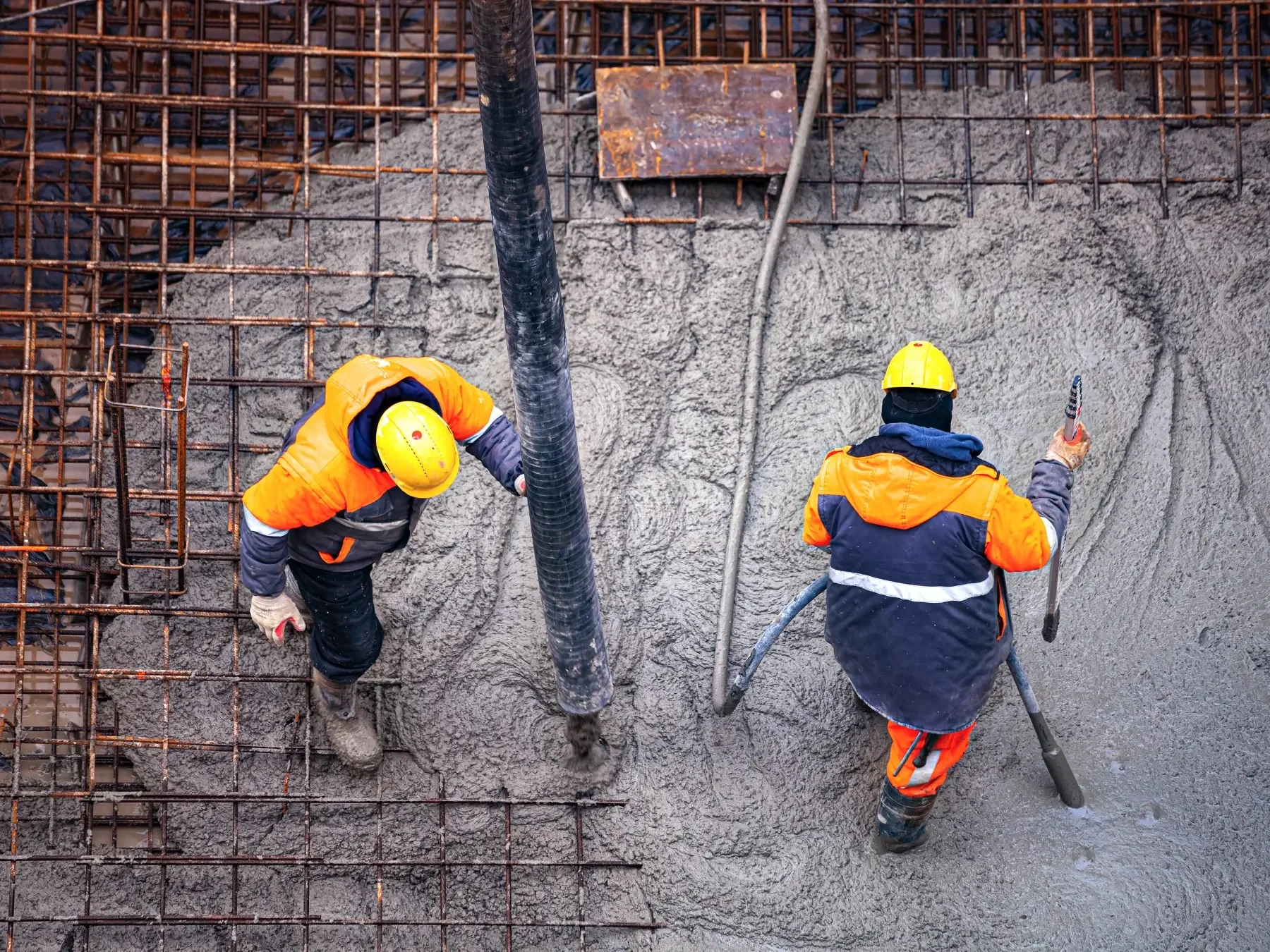
Concrete Business Broker in Florida
You built a concrete company around demanding schedules, skilled crews, valuable equipment, and relationships earned one project at a time. Sailfish Equity Advisors helps Florida concrete contractors understand what their business may be worth, prepare for buyer scrutiny, and pursue a confidential sale without disrupting the work already in progress.


You Can Start Before the Books Are Perfect
Many concrete business owners contact us before their financials, WIP schedules, equipment records, or exit plans are completely organized. Some are still estimating every project, managing key GC relationships, or supervising the field themselves.
That does not mean you should wait to understand your options.
We can begin with the records you already have, identify what buyers will eventually need, and show you which improvements could have the greatest effect on value. A confidential review gives you a practical path forward without committing you to sell.
What Makes a Concrete Company Attractive to Buyers?
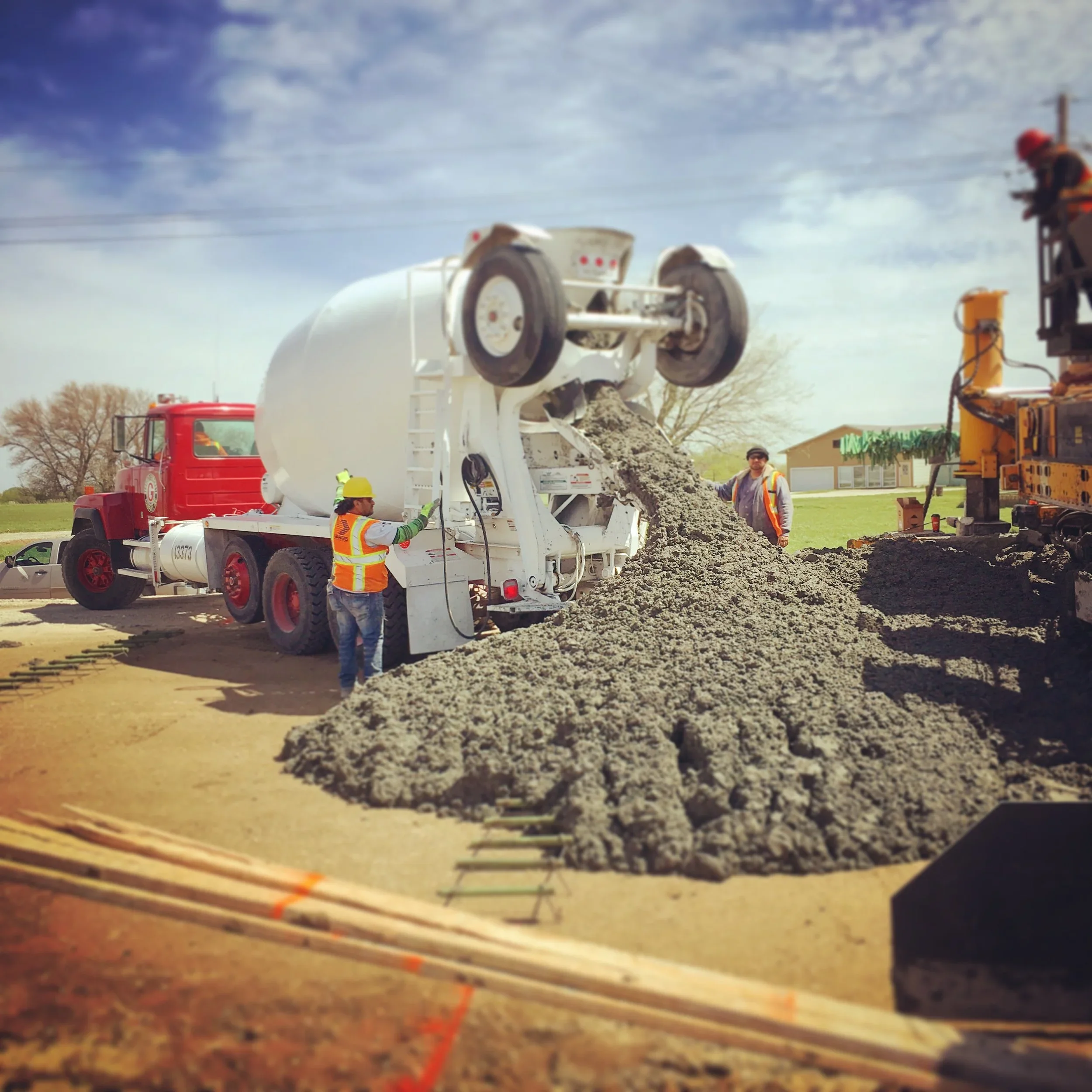
Backlog With Margin, Not Just Volume
A large backlog is valuable only when buyers can verify its expected profitability. Accurate WIP reporting, realistic cost-to-complete estimates, repeat GC relationships, and signed work with documented margins give buyers greater confidence in future earnings.
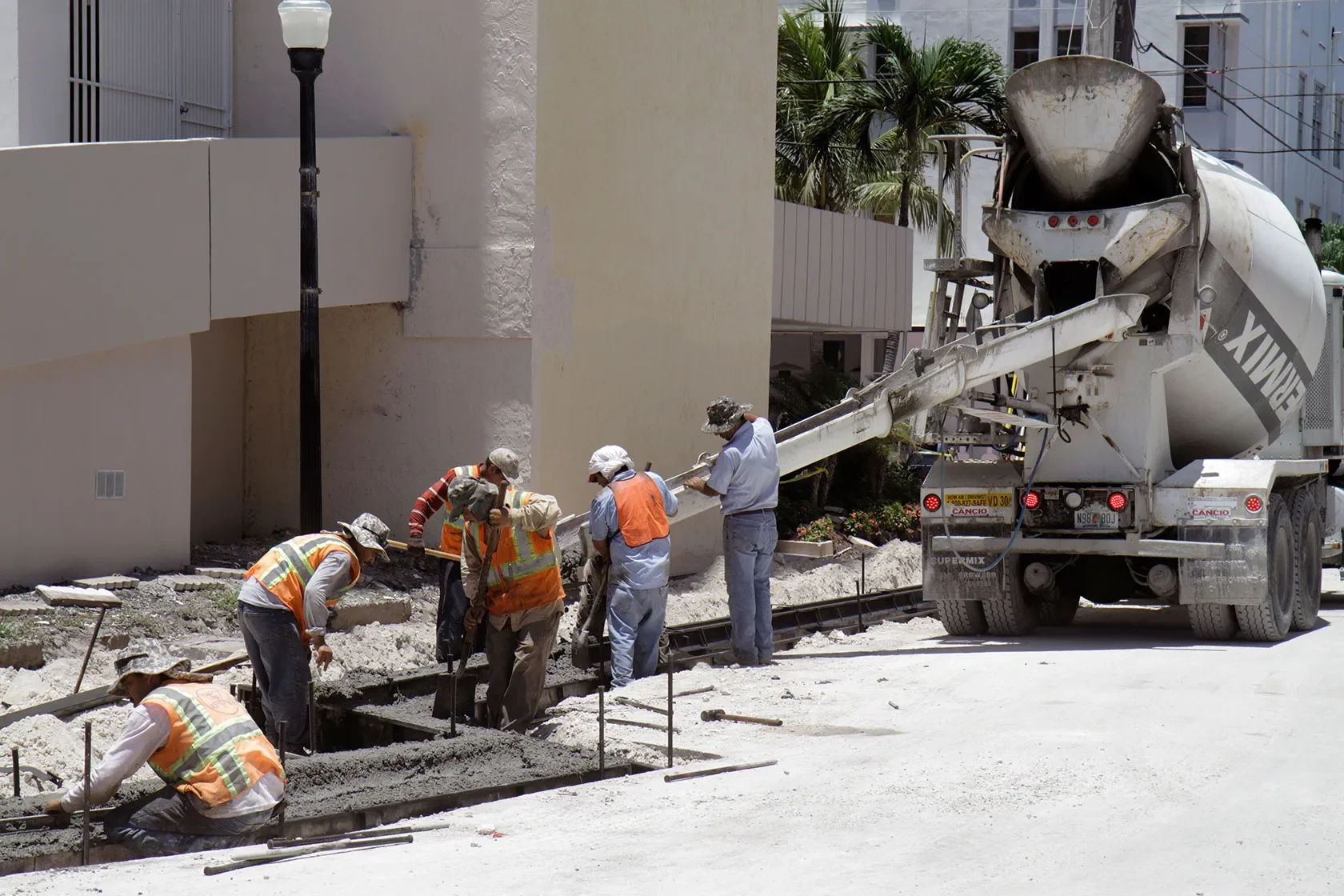
A Crew That Can Run the Pour
Experienced superintendents, foremen, finishers, estimators, and project managers reduce dependence on the owner. Buyers pay closer attention when the company has people who can manage schedules, crews, quality, and customer relationships without constant supervision.
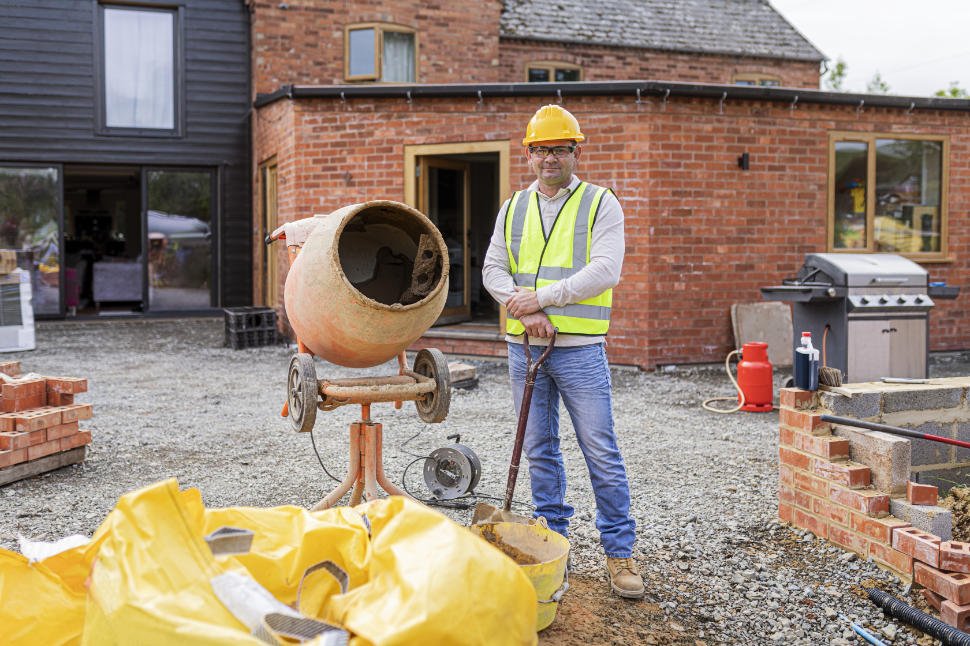
Equipment Records That Hold Up in Diligence
Buyers will examine what equipment is owned, what is financed, where liens exist, how the fleet has been maintained, and what may need replacement. Clear titles, organized maintenance records, and dependable equipment can reduce uncertainty during the sale.
Work With a Concrete Business Broker Who Understands the Whole Deal
-

Understand the True Value of Your Concrete Company
We evaluate normalized earnings, owner add-backs, backlog quality, WIP reporting, customer concentration, management depth, equipment, debt, and growth opportunities. The result is a valuation that reflects the complete operating company rather than relying on revenue or equipment value alone.
-

Prepare Before Buyers Start Digging
Your records do not need to be perfectly organized before you contact us. We help identify gaps in the financials, WIP schedules, equipment records, customer agreements, licensing structure, bonding, and owner responsibilities before those issues create delays or weaken buyer confidence.
-

No Upfront Concrete Business Broker Fees
Our compensation is success-based. You do not pay a large upfront brokerage fee simply to bring your concrete business to market. We remain actively involved throughout the process—from preparing the company and identifying qualified buyers to managing negotiations, due diligence, financing, and closing. Because we are paid when the transaction closes, our interests remain aligned with yours.
Why Choose Sailfish as Your Concrete Business Broker?

Selling a concrete company requires experienced representation, qualified buyers, and a process built to reach closing. Sailfish brings decades of transaction experience and hands-on guidance to every business we represent.
25+ Years of Experience
Our team brings more than 25 years of experience helping business owners navigate valuations, negotiations, due diligence, financing, and closing.More Than 1,000 Transactions
With experience across more than 1,000 completed business transactions, we understand how to anticipate obstacles, protect deal momentum, and keep buyers engaged.Concrete Business Expertise
We understand how backlog margins, WIP reporting, equipment, bonding, customer concentration, field leadership, and owner dependence affect buyer confidence and value.Qualified Buyers Who Can Close
We connect your company with screened individual buyers, strategic contractors, family offices, search funds, and private equity-backed groups with the experience and financial capacity to complete an acquisition.Hands-On From Valuation to Closing
We remain actively involved throughout buyer outreach, negotiations, due diligence, financing, and closing—while protecting your employees, customers, projects, and confidentiality.
Trusted Through High-Stakes Business Sales
Concrete Business Sale and Valuation Insights
Meet the Team Advising Florida Concrete Business Owners
-

Rajiv Khatri
Managing Partner
-

Sarah Khatri
Managing Partner
-

Franklin Luke
Business Sales Advisor
What Your Concrete Company Is Worth in 2026 - Sell My Concrete Business
Where a Florida concrete company lands on price in 2026, why buyers value the fleet and the backlog separately, and how to sell without the yard finding out.
A profitable Florida concrete company generally changes hands at roughly 1.5x to 3.5x SDE in owner-operator hands, while the bigger shops — a management layer in place and earnings north of $1 million — sit closer to 4.5x to 6.5x EBITDA. Any concrete business broker in Florida will add the same caveat: that headline splits into two prices, because a buyer values the working business and the owned iron on separate lines. Sailfish Equity Advisors works with concrete and site contractors throughout Florida as their sell-side M&A advisor and brokerage — handling the valuation, the readiness work, the confidential marketing, and the sale itself, with pricing anchored to genuine buyer demand, disciplined vetting of every prospect, and a plan set in motion well before anything reaches the market.
Two questions bring owners to us. First, what will it bring? Second, how do I get it sold without my superintendent, my ready-mix supplier, or the GC one county over catching wind? Both can be answered — and the value question leads.
Concrete Firms Are on Buyers' Lists in Florida — What's Yours Worth?
Concrete has quietly become one of the trades that acquirers chase. Over the past several years, private equity platforms and larger contractors have been rolling up structural, flatwork, tilt-wall, and decorative shops, drawn to work that is skill-gated, tough to break into, and hooked to a Florida building pipeline that does not idle — distribution centers, warehouses, apartment podiums, roadway, and the pads under everything else. A concrete outfit that owns its equipment and holds a signed book of work is precisely what a buyer can borrow against and expand.
But that appetite only helps you if you sell informed. Line up several capitalized buyers on one profile — margin in the backlog, iron on the books, a crew that can set forms and finish a slab without the owner watching — and a ready seller can run them as one competitive process. None of them are buying the lettering on your truck doors. They are buying earnings that keep coming once you step off the job, plus equipment that carries its own resale value.
What a Concrete Buyer Adds Up Before They Bid
Whether it is a regional pour contractor stretching up the I-4 corridor or a private equity group assembling a platform, the diligence covers the same short list: how solid the earnings are, the size and margin of the backlog, the equipment fleet, the depth of the crew, how concentrated the customers are, and how much of the operation leaves when the owner does. The purchase is the next several years of cash flow — not a scrapbook of finished pours.
For a concrete contractor, SDE — seller's discretionary earnings — starts with what the tax return shows at the bottom and rebuilds it: add back the owner's own pay, the truck booked to the company, the heavy depreciation written against forms, pumps, and mixers, and any one-time cost the next owner will never see again. Recast that way, it is the number a bank lends against, and it is where the price conversation opens for an owner-run flatwork or structural shop.
The concrete companies that command the top of the range look alike: job costing that ties out, a backlog booked at real margin instead of break-even tonnage, iron that is owned and titled clean, negotiated repeat work from GCs who ask for you by name, and an estimator or superintendent who can carry a day without a phone call. The fragile ones look plenty busy — every bid living in the owner's head, half the fleet financed against liens nobody is tracking, and a single GC covering most of the revenue.
What Florida Concrete Companies Sell For in 2026
Price in concrete answers to two things at once: how good the earnings are and what the assets beneath them are worth. Owner-run shops that price on SDE generally land in the familiar 1.5x to 3.5x SDE range. Push earnings and management depth higher and the buyer pool tilts toward EBITDA and better multiples — the published size ladder puts roughly $250,000 to $500,000 of earnings near 2.5x to 3.5x, $500,000 to $1 million near 3x to 4.5x, $1 million to $3 million of EBITDA near 4.5x to 6.5x, and $3 million to $10 million near 5.5x to 8x. Your spot in those bands is engineered, not drawn from a hat.
Stand two concrete firms both earning $600,000 of SDE next to each other and their prices can split wide. The one with a backlog carrying documented margin, iron owned outright, no single account over 20% of revenue, and a superintendent running placement takes the high end. The one pulling the same off bid-and-burn volume, iron under finance, and a book of relationships that all live on the owner's cell settles at the low end — or gets an offer that parks cash until the backlog actually delivers. The multiple is really a risk score, and in flatwork and structural work the iron and the backlog write most of it.
One caveat on those figures: the size ladder and trade bands are published market estimates offered to teach, not a quote on your specific shop. The number that counts is the one that survives a financeable buyer's diligence and clears their lender — not a figure typed into a spreadsheet.
The Fleet and the Backlog: Two Numbers, One Deal
This is what separates a concrete deal from a plain service sale. You are transferring two things in one transaction — a business that throws off earnings, and a yard of iron that keeps resale value whether or not a single truck rolls tomorrow. Seasoned buyers price each on its own, then work out how the two live inside one offer.
The fleet — boom and line pumps, mixer trucks, forms and shoring, screeds and laser screeds, plus a batch plant if you run one — is real, financeable collateral. Even so, it will not bolt onto the earnings multiple as a second check. The equipment required to throw off the cash flow generally rides inside that multiple, because the buyer is already paying for what those pumps and forms produce; only truly surplus pieces can occasionally be pulled out and sold on the side. Buyers still comb the fleet — what is owned free and clear versus financed, which liens sit where, the service records, the hours on the pumps and plant, and the depreciation recapture that follows selling appreciated gear. Well-kept, clean-titled iron carries a deal; a fleet concealing liens and skipped service becomes a diligence headache.
The backlog is the second number, and buyers get to it through your WIP schedule. They pressure-test work-in-progress the way a lender would — the over- and under-billings, an honest cost-to-complete, whether prior estimates held or the jobs bled profit, and how much signed flatwork and structural work carries real margin against tonnage booked at break-even. Disciplined percentage-of-completion reporting is the single highest-return fix a project-based concrete contractor can make before selling. Sloppy WIP does more than trim the price — it drives good buyers off, because they cannot read what they would be buying.
Bid Work vs. Negotiated Work: Which Revenue Buyers Fund
Not every concrete dollar is valued alike, and the divide buyers weigh hardest is hard-bid versus negotiated work. A shop that re-competes its whole top line each January — win the low bid, pour it, start over — is worth less than one where GCs and developers hand back work by name, at negotiated rates, because they trust the crew to place it right and on time.
Negotiated, repeat work is as close to recurring revenue as concrete gets. It says the relationships and the reputation travel forward, the margins hold, and the top line does not reset to zero every year. Bid-and-burn volume says the reverse — margin squeezed by the next auction and revenue that hinges on winning it. If your book is mostly hard-bid public work, that is a prep project rather than a reason to stall: documenting your repeat clients, your negotiated share, and the margin those relationships carry over 12 to 18 months can lift both the earnings and the multiple stacked on them.
● Negotiated / repeat GC work: buyers pay full freight for it — the annuity end of the concrete business.
● Specialty capability (tilt-wall, decorative, structural, post-tension): a moat that guards margin and enlarges the buyer pool.
● Hard-bid public work: genuine revenue, but priced with caution — thin margin, constant re-compete, and leaning on bonding.
The Florida License and Bonding Questions Buyers Ask
Here is the Florida wrinkle the generic guides skip, and it can freeze a closing. In Florida, concrete and structural work sits under the Construction Industry Licensing Board (CILB) — as a specialty category, and for broader scopes under the general or building contractor categories laid out in Chapter 489, Part I. A license is either Certified, which is good statewide, or Registered, which is good only in the local jurisdiction that issued the competency, and a company is allowed to operate only when a qualifying agent — a licensed professional who stands behind its construction — qualifies it. At most owner-run concrete shops, the owner is that agent.
That raises the question every buyer asks: once the wire lands, who qualifies the company? Your license does not travel with the sale. Each deal needs its own answer — the buyer qualifies the company on a license they already hold, a key licensed employee takes over as the qualifier, or you stay on to qualify the work through an agreed transition. Buyers and their lenders will lean on bonding as well: surety is written against today's owner — your balance sheet, your record, frequently your personal guarantee — so a new owner has to stand up a surety line of their own, and any bonded jobs still under way at closing become negotiated terms. The rules move with scope and jurisdiction, so verify the current ones directly with Florida's licensing authority, the Department of Business and Professional Regulation — the DBPR — at https://www2.myfloridalicense.com/, or ask a construction attorney. Settle the qualifier and the surety question before listing, and what could have derailed the deal becomes a routine line in your closing checklist.
Selling Without the Yard Finding Out
In concrete, a leak is not just awkward — it is expensive. The moment your superintendent, your finishers, or your estimators conclude the business is for sale, the bleed begins: your best field leaders start taking recruiter calls, a competitor courts the GCs on your bid list, and your ready-mix supplier and your surety grow cautious exactly when you need them steady. A rumor chips away at the very things a buyer is paying to acquire — the crew, the relationships, the backlog.
A disciplined sale keeps that lid on. Buyers first meet the company as an anonymous profile — the trade, a wide service area, top-line revenue, an earnings figure, a one-line note on the fleet, and a backlog band — with no detail that fingers which shop it is. Your identity stays sealed until an NDA is executed, and the material that could hurt you — the customer roster, the pour schedule, the titles to the iron — releases in stages through a controlled data room, and only to buyers who have proven they can actually fund a purchase. This is not etiquette; it is how the deal itself is protected, because in flatwork and structural work the crews and the GC ties are the asset, and one loose word puts them at risk.
Which Buyers Can Close on Iron and Backlog
A concrete company draws three buyer types, and each is really buying something different. Individual buyers — usually SBA-backed operators — need lender-ready books and a credible handover; they are the widest pool for an owner-run shop, and since the money is SBA, your numbers get underwritten twice over. Strategic buyers — contractors extending into your territory or your specialty — pay a premium for what they cannot build fast: your finishing crew, your GC relationships, your tilt-wall or post-tension capability. They are also, often enough, your competitor, which is precisely why disclosure moves in stages. Private equity platforms bid the strongest multiples for a shop with a management bench, clean WIP, and iron they can expand on.
Plenty who call cannot actually fund a purchase, so a real process qualifies people before it opens the file: it weighs the buyer's capital, their record running work like yours, an honest timeline, proof of funds or a committed lender, and a workable answer for the qualifier and the surety. When the license sits with you, the GCs dial your cell, and every estimate lives in your head, a buyer reads that concentration and shaves the price for it. A competitor who cannot show he can close never gets near the pour schedule or the equipment file — exactly the material that would let him chase your work if the deal fell apart. Put several vetted buyers in play at once and you are running a market rather than a lone conversation, and the market is what pushes the number up.
How Sailfish Prices Equipment and Backlog as One Offer
Selling a concrete company well comes down to proving two things before the phone rings: that the earnings are durable and survive your exit, and that the fleet and the backlog are worth what you claim. That is where our work starts. We rebuild the financials into an SDE or EBITDA that will hold up, assemble the add-backs an acquirer will accept, and value the iron the way a lender's appraiser does — owned against financed, liens, hours on the pumps and plant, condition, and the recapture math on selling appreciated gear.
From there we read the WIP the way a buyer reads it, separate negotiated-margin flatwork and structural work from break-even tonnage, and bind the operating business and the equipment into one offer engineered to hold together in diligence. We chart the CILB qualifier and any bonding exposure early, list the company blind, qualify buyers tightly, and stage a competitive process so the iron and the backlog each get priced as the asset it is. The goal is straightforward: you get paid for the earnings and for the equipment, not one at the expense of the other.
Getting a Concrete Business Sale-Ready
The strongest concrete exits are built over time, not stumbled onto. Budget twelve months and work the list in sequence. Scrub the books and pull personal spending out of the business so the SDE holds and every add-back has a paper trail — buyers credit what a check register confirms and haircut what it cannot. Tighten the WIP so the over- and under-billings and the cost-to-complete read honestly. Put the fleet in order: confirm titles, clear or paper the liens, know what you own outright. Test concentration — a single GC or job past 20% to 30% of revenue rattles buyers and lenders, so broaden the base or be ready to explain it. Slide a superintendent or estimator between you and the daily pour so the company is not run off your phone. Answer the CILB qualifier and the bonding questions. Then commission a buyer-backed valuation and let the numbers tell you whether to launch now or bank another year of proof.
Figure on 6 to 12 months from listing to close, and expect concrete deals to run longer when a license handoff and surety underwriting add steps — which is exactly why the order of operations matters. Buyers will ask for three clean years of financials. Begin long before you intend to finish, because a concrete company that is always ready to sell is a better one to keep running.
Selling a Concrete Business in Florida: FAQ
What is a Florida concrete company worth?
Owner-run concrete companies usually change hands around 1.5x to 3.5x SDE, while larger, management-run shops trade on EBITDA — the published ladder reaches roughly 4.5x to 6.5x once EBITDA hits $1 million to $3 million. What moves your position most: the margin in the backlog, how much of the fleet you own outright, customer concentration, and how much of the operation rides on you.
Is the equipment fleet worth extra on top of the sale price?
Usually not on top of it. The equipment needed to generate the earnings already sits inside the multiple, because the buyer is paying for the cash flow that iron produces — adding full fleet value on top would count it twice. Genuinely surplus machines can sometimes be split off and sold separately, which is worth raising as a structuring point before you list.
How do buyers evaluate my backlog?
Through your WIP schedule. Buyers dig into over- and under-billings, cost-to-complete, and any profit fade, then split negotiated-margin pours from break-even tonnage. Signed backlog with documented margin funds near full value; thin hard-bid volume is priced carefully. Tight percentage-of-completion reporting does more for a concrete contractor's price than almost any other pre-sale fix.
Does my Florida contractor license transfer to a buyer?
Not by itself. In Florida a concrete firm performs work only through its qualifying agent — the licensed person the CILB holds responsible under Chapter 489 — and in most owner-run shops that person is the owner. A buyer must put the company under their own license, elevate a licensed employee into the qualifier role, or keep you aboard through a transition. Confirm the current rules at myfloridalicense.com or run them by a construction attorney before you list.
Will my crew and my GCs find out I'm selling?
Not if it is run properly. Blind marketing describes the company without naming it, buyers sign an NDA before any genuine disclosure, and the pour schedule and equipment detail open in stages only to buyers who prove they can close. In concrete, that discretion protects exactly what a buyer is paying for — your crew, your GC relationships, and your backlog.
How does Sailfish Equity Advisors help concrete business owners?
Sailfish runs the whole process for concrete owners — a confidential, buyer-backed valuation, the financial recast, fleet and WIP analysis, blind marketing, buyer screening, and deal management through to close. We bring more than a quarter century in this work, well over a thousand Florida owners guided to the finish, and no fee until the deal closes. We resolve the qualifier and surety questions up front and value the fleet and the backlog as a single offer.
See What Your Concrete Company Would Bring
If concrete consolidators and regional pour contractors are already active in your market, a buyer's opening bid is the worst possible way to discover your number. Get ahead of it with a confidential, buyer-backed valuation of a Florida contracting business — then you know your figure, know which buyers would fight over your fleet and backlog, and hold the leverage. As a concrete business broker in Florida, Sailfish prices the working company and the equipment as a single offer. Reach out to open a confidential conversation.