
How Long Does It Take to Sell a Business in Florida? (The Honest Timeline)
Plan for the Full Florida Business Sale Timeline
A Florida sale can move quickly when the records, price, buyer pool, and financing align, but preparation and diligence often determine the real schedule. To establish a practical timeline for your company, schedule a confidential exit-planning conversation.




Why Business Owners Choose Sailfish Equity Advisors
25+ Years of Proven Deal Experience
1,000+ Businesses Sold Across Florida
Confidential, Strategic Sale Process
Access to a Qualified Buyer Network
Maximized Valuation Through Positioning
Industry Experience Across High-Demand Sectors
Deal Structuring Expertise
Hands-On Guidance From Start to Finish
Deep Local Market Knowledge
Built for Results—Not Just Listings
1,000+ Florida Business Owners Trust Us
Real stories from owners who sold, scaled, and succeeded with Sailfish.
Now is the Perfect Time to Sell Your Business in Florida:





What Florida Business Owners Should Expect From Listing to Closing
Most Florida business sales take six to twelve months from the decision to sell to money in the bank. A clean, well-prepared company can go under contract in ninety days. A business with messy books, one dominant customer, and an owner who does everything can sit on the market for two years — or never sell at all.
So when owners ask how long it takes to sell a business in Florida, the honest answer is: it depends on decisions you make months before the first buyer ever sees your numbers.
Sailfish Equity Advisors is a Florida business brokerage and M&A advisory firm that helps owners across the state value, prepare, confidentially market, and sell their companies — with buyer-backed valuation, buyer screening, confidentiality protection, deal positioning, and a structured process before the business ever goes to market. After 25+ years and more than 1,000 Florida owners helped, we know exactly where those months go. More importantly, we know which ones you can get back.
Here is the full business sale timeline, stage by stage, with the realistic ranges — not the ones designed to win your listing.
The Business Sale Process Steps, With Real Time Ranges
Every sale moves through the same six stages. The ranges below assume a profitable Florida main-street or lower-middle-market business with an engaged owner. Skip the preparation work and every later stage stretches.
Stage 1: Valuation and preparation — 4 to 8 weeks
This is where the clock actually starts, and where most timeline problems are born.
A real valuation is not a spreadsheet exercise. The question is not what a formula says your business is worth — it is what qualified buyers can actually support based on cash flow, risk, financing, industry demand, and transferability. That starts with Seller's Discretionary Earnings (SDE): the cash flow a full-time owner-operator could reasonably expect, before owner-specific and discretionary expenses. Many owner-operated service businesses sell for roughly 1.5x to 3.5x SDE, and where you land in that range moves with risk — recurring revenue, customer concentration, employee depth, clean books, and how easily the business runs without you.
Buyers will want three years of financials, and they will want the add-backs documented. Clean, supported add-backs raise SDE. Unsupported ones create doubt — and doubt is slow. If your books need rebuilding, this stage can swallow months. If they're clean, four weeks is realistic.
Stage 2: Confidential marketing — 1 to 3 months
Your business does not get listed like a house. It gets marketed blind: a profile that describes the opportunity without naming the company, NDAs before any identifying detail, and staged disclosure as buyers prove themselves.
That discipline takes slightly longer than blasting your company name across the internet. It is worth every day. Confidentiality is not a courtesy. It is deal protection. If employees, customers, or competitors learn you're selling before a deal is solid, you can lose the very things the buyer is paying for — and a damaged business takes far longer to sell than a confidential one.
Stage 3: Buyer screening and offers — 1 to 3 months
Inquiries arrive fast. Real buyers don't.
Interest is not ability. A serious process screens every prospect for financial capacity, intent, relevant experience, timeline, and the realistic ability to close — including proof-of-funds review before deep access. A buyer who cannot show ability should not get the same access as a buyer who can.
Skipping this screen feels faster. It is the single most common way owners lose six months: three months negotiating with someone who was never able to close, then starting over with a market that wonders why the deal fell apart. Done right, this stage overlaps marketing and produces one or more credible offers, negotiated into a signed letter of intent.
Stage 4: Due diligence — 30 to 60 days
Once the LOI is signed, the buyer verifies everything: financials, tax returns, contracts, leases, licenses, payroll, customer data. This is the due diligence timeline most owners underestimate — not because diligence itself is slow, but because unprepared sellers make it slow.
Every number that doesn't tie to a tax return triggers questions. Every question takes days to answer. Every surprise gives the buyer a reason to renegotiate or walk. Sellers who organized their documents in Stage 1 move through diligence in a month. Sellers who didn't can watch it drag past ninety days — and stale deals die.
Stage 5: Financing — runs alongside diligence
Most main-street buyers in Florida finance the purchase, often through SBA lending. The lender effectively runs its own diligence: underwriting the business, appraising it, verifying the buyer, ordering third-party reports. This usually runs parallel to buyer diligence rather than after it, but it sets the pace of the back half of the deal.
Here's the part owners miss: the lender is underwriting your financials, not your story. A business with tax returns that support the asking price is financeable. A business whose value lives in informal add-backs and owner memory is not — and an unfinanceable business hasn't just lost time. It has lost most of its buyers.
Stage 6: Closing — 2 to 4 weeks
Purchase agreement drafting, lease assignment, license transfers, final schedules, funds in escrow, keys handed over. With diligence and financing complete, closing is mostly mechanics — unless a landlord or licensing board hasn't signed off yet. More on that below, because in Florida those two issues end more deals than price ever does.
What Makes a Business Sell Faster
Some Florida businesses genuinely sell in four to six months. They share the same traits, and none of them happen by accident:
Clean, tax-return-matched financials. When the books tie out, diligence shrinks and lenders say yes faster.
Recurring revenue. Pool service routes, pest control contracts, HVAC maintenance agreements, janitorial accounts — buyers pay more and move faster for revenue that shows up without being re-sold every month.
SBA-ready numbers. If a lender can underwrite the business from the tax returns alone, your buyer pool is bigger and your financing stage is shorter.
A manager in place. A trained manager or supervisor layer beats owner-does-everything, every time. It tells the buyer the cash flow survives the handover.
A documented growth story. Buyers don't pay for your past effort. They pay for transferable cash flow and their own future upside — weak marketing, no CRM, an underdeveloped service line they can build on.
Notice the pattern: speed comes from removing the buyer's reasons to hesitate. Buyers are asking the same questions in every deal — can I finance it, can I operate it, can I keep the team and the customers, can I protect my downside? The faster the answers, the faster the close.
What Drags a Sale Out
The slow deals share traits too:
Messy or aggressive add-backs. Every add-back you can't document becomes a negotiation, and every negotiation costs weeks.
Customer concentration. When one customer is more than 20–30% of revenue, buyers slow down, lenders flinch, and deal structures get complicated — earnouts and holdbacks take time to negotiate.
Owner dependence. If you are the rainmaker, the estimator, and the license holder, the buyer isn't buying a business. They're buying a job with your name on it. Owner dependence is expensive — in price and in months.
Cash revenue that never hit the books. You cannot sell what you cannot prove. Unreported income doesn't raise your price; it lowers your credibility on everything else.
Seller hesitation. Slow document turnaround and second-guessing at the LOI stage kill momentum. Deals have a shelf life.
Florida-Specific Friction Points
Selling in Florida adds a few timeline risks that generic advice never mentions:
License transfers. Contractor licenses, liquor licenses, healthcare and other regulated credentials don't transfer automatically. If the business operates under your personal qualifier license, the buyer needs their own — or a qualifying arrangement — before closing. Boards move on their schedule, not your deal's. Identify the licensing path in Stage 1, not Stage 6.
Lease assignments. Much of Florida's main street runs on leased space — plazas, flex warehouses, marina slips. The landlord's consent to assign the lease is usually required, rarely fast, and occasionally used as an opening to renegotiate rent. A short remaining lease term can also spook lenders. Engage the landlord question early.
Seasonality. Marine, tourism, landscaping, and snowbird-driven service businesses look very different in February than in August. Buyers know it, and lenders average it. Going to market so your strongest season lands during buyer evaluation — not during diligence on your weakest quarter — can meaningfully change both price and pace.
The Single Biggest Timeline Lever: Start Before You Have To
Every stage above gets faster with preparation, and preparation only happens before you're in a hurry.
The owner who starts a year or two ahead can clean the books, document the add-backs, build the manager layer, fix the lease term, and resolve the licensing question — then run a six-to-nine-month process from strength. The owner who calls after a health scare, a burnout wall, or a partnership blowup is selling the business as-is, taking the timeline as-is, and negotiating with no ability to walk away. Buyers can smell urgency, and they price it.
Most owners do not have a selling problem. They have a transferability problem — and transferability is built in the years before the sale, not the weeks during it. A listing is not a strategy. A prepared exit is.
How Sailfish Keeps a Florida Sale on Schedule
Speed in this business doesn't come from rushing. It comes from sequence — doing the slow things first, quietly, before they can stall a live deal.
That's how we run every engagement: a buyer-backed valuation grounded in what real buyers and lenders will support, preparation that surfaces diligence problems before a buyer does, blind confidential marketing to a deep pool of qualified Florida buyers, and screening that filters capacity and intent before anyone gets near your financials. Over 25+ years and 1,000+ Florida owners, the pattern holds: deals stall on surprises, and almost every surprise is findable in advance. If you want to see what that looks like in practice, start with what's involved in working with a Florida business broker who runs a structured, confidential process.
Frequently Asked Questions
How long does it take to sell a small business in Florida?
Most small business sales take 6–12 months from engagement to closing. Well-prepared businesses with clean financials and recurring revenue can close in 4–6 months; businesses with messy books, owner dependence, or licensing complications routinely take 12–24 months.
What is the longest stage of a business sale?
Usually the back half: due diligence plus financing, which together often run 60–90 days after the letter of intent. But the real answer is whichever stage you didn't prepare for — unorganized financials can stretch diligence indefinitely.
Can I sell my business in less than six months?
Sometimes. It takes clean, tax-return-matched books, a business that runs without you, financeable cash flow, and no licensing or lease complications — plus a priced-right listing and fast seller response times throughout. It's the exception, not the plan.
Does the time of year matter when selling a Florida business?
For seasonal businesses, yes. Buyers evaluating a marine, tourism, or snowbird-driven service business during its slow season see weaker numbers and negotiate accordingly. Timing the launch so your strong season lands during buyer evaluation helps both pace and price.
What slows down due diligence the most?
Financials that don't tie to tax returns, undocumented add-backs, missing contracts and licenses, and slow seller responses. Buyers interpret disorganization as risk — and risk makes them slower, cheaper, or gone.
How does Sailfish Equity Advisors help Florida business owners sell on a realistic timeline?
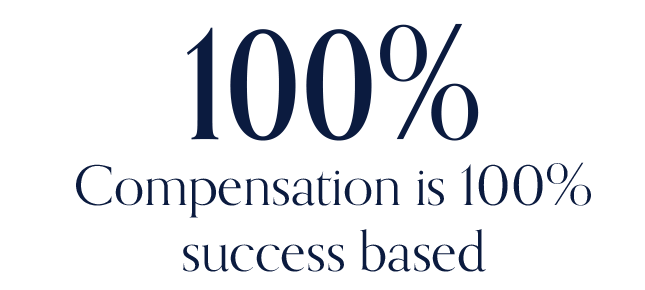
We front-load the slow parts: buyer-backed valuation, financial preparation, licensing and lease review, and confidential deal positioning before going to market — then screen buyers for proof of funds and ability to close so you never lose months to someone who couldn't buy. Our fee, like most main-street brokerage commissions of roughly 8–12%, is success-based: we only get paid when your deal closes.
When should I start preparing if I want to sell in the next few years?
Now. Buyers want three years of clean financials, so every year of preparation compounds. Even 12 months of cleanup — documented add-backs, a trained manager, reduced customer concentration — can shorten your sale and raise your multiple.
Wondering how long your business would take to sell — and what would speed it up? That's a one-conversation answer once we see your numbers. Book a confidential call and we'll walk through your timeline, your value range, and what to fix first. No pressure, no obligation — just an honest read from people who've done this 1,000+ times.
For statewide guidance on valuation, confidentiality, buyer qualification, and closing, visit our Florida business broker guide.