
Selling a Family Business in Florida
Balance Family Priorities with a Market-Ready Florida Sale
Selling a family business requires alignment on value, roles, legacy, taxes, communication, and what a new owner needs to operate successfully. To plan a transition that protects both the company and the family, schedule a confidential exit-planning conversation.




Why Sailfish Handles Florida Family-Business Exits With Care and Structure
Family and buyer interests separated
Confidential stakeholder planning
Fair-market valuation discipline
Transition roles documented
Legacy protected in deal terms
1,000+ Florida Business Owners Trust Us
Real stories from owners who sold, scaled, and succeeded with Sailfish.
Now is the Perfect Time to Sell Your Business in South Florida:





Florida’s Retirement Wave Is Here: Selling the Family Business Before Everyone Else Lists Theirs
Selling a family business in Florida is about to get more competitive — for sellers. A generation of owners who built service companies, contractors, distributors, and shops across the state is reaching retirement at roughly the same time, and most have no succession plan in place. When that many businesses hit the market together, buyers get their pick, and the gap between a prepared company and an unprepared one becomes the difference between a strong sale and a steep discount. The owners who move first and arrive ready will sell on their own terms. The rest will compete on price.
Sailfish Equity Advisors is a Florida business brokerage and M&A advisory firm that helps family and founder-owned businesses across the state value, prepare, confidentially market, and sell their companies — with buyer-backed valuation, buyer screening, staged confidentiality, and deal positioning before anything goes to market. This is the field guide we’d hand a Florida owner who knows the exit is coming but hasn’t decided when.
The Wave Is Real — and Florida Sits in Its Path
The demographics aren’t speculation. They’re scheduled.
Roughly half of US small-business owners are 55 or older, and McKinsey projects that around $5 trillion of baby-boomer-owned business value could change hands over the next decade as owners retire, per Fortune’s reporting on the research. Yet most owners are unprepared: surveys consistently find that well over half have no written succession plan (Fox Business). Roughly 10,000 Americans reach retirement age every day, and a large share of them own a business with no plan for what happens next.
Florida feels this harder than most states. It’s dense with family- and immigrant-founded firms built over decades, populated by owners who moved here to retire and then started another company anyway, and full of the service, trades, and tourism businesses that boomers own in large numbers. More retiring sellers, the same pool of buyers, and a state already crowded with listings means basic supply and demand starts working against owners who wait until everyone else is selling too.
Why “I’ll Sell When I’m Ready” Is the Expensive Plan
The instinct is to wait — for one more good year, for the kids to decide, for the market to feel perfect. The cost of waiting is rarely visible until it’s charged.
Here’s the trap. The same retirement wave that’s pushing you toward the exit is pushing thousands of owners toward it at once. A buyer comparing ten similar Florida businesses doesn’t pay a premium for the average one; they pay a premium for the prepared one and negotiate hard on the rest. Preparation takes time you only have if you start before you’re desperate. The best exits are built well before the owner is tired, sick, or burned out — because a forced sale on someone else’s timeline is the weakest position an owner can sell from.
There’s a uniquely family-business version of this problem, too. Many owners assume a child will take over, only to discover the next generation would rather have the proceeds of a sale than the 5am starts. By the time that conversation finally happens, the owner has often delayed planning for years and lost the runway to prepare the company for an outside buyer. The succession question deserves an honest answer early, because the answer determines everything that follows.
What Buyers Pay For — and What “Transferable” Really Means
Buyers don’t buy your history. They buy what will keep producing cash after you hand over the keys. Understanding that shift is the heart of selling a family business well.
Every serious buyer runs the same evaluation: cash flow, risk, owner dependence, customer concentration, employee retention, clean financials, recurring revenue, growth runway, and whether they can finance it. They’re asking a simple set of questions — Can I own it, operate it, finance it, grow it, keep the team and the customers, and protect my downside? The more of those answers live in the business rather than in your head, the more it’s worth.
That’s what “transferable” means. Most owners don’t have a selling problem. They have a transferability problem. If the biggest customers call your personal cell, if only you know how to quote the complicated jobs, if the licenses and relationships sit with you alone, then a buyer isn’t purchasing a business — they’re purchasing a job that depends on the person who’s leaving. A trained manager and documented roles beat owner-does-everything at every price point. Buyers do not buy effort. They buy transferable cash flow.
A few benchmarks worth holding onto. Most small businesses sell on a multiple of SDE — Seller’s Discretionary Earnings, the cash flow a full-time owner-operator could reasonably expect before owner-specific and discretionary expenses; owner-operated service businesses often trade around 1.5x to 3.5x SDE, with the multiple moving on risk, recurring revenue, concentration, and clean books. The national average cash-flow multiple firmed to about 2.7x SDE in early 2026 with the median sale price near $350,000, per the BizBuySell Insight Report — evidence that well-run businesses are being rewarded right now. Buyers want three years of clean financials, and any single customer above roughly 20–30% of revenue reads as risk.
The Five-Year, Three-Year, One-Year Exit: Preparing the Family Business to Sell
You can’t change the demographics, but you can change where your business sits when the buyers are comparing. Preparation is the lever, and it works on a timeline.
The Florida Family-Business Decision Map: Ownership, Employment, and Legacy
A family-business sale has three separate questions that owners often blend together: who owns the equity, who works in the company, and who should control the business after the transition. Resolve them separately. A child can be a strong employee without being the right buyer. A sibling can own shares without participating in management. A family member can continue after a third-party sale without controlling the transaction. Putting each role on paper prevents emotional assumptions from becoming closing disputes.
Before marketing, create a stakeholder map. Identify every shareholder, spouse or trust with approval rights, family employee, key non-family manager, and person whose departure could affect customers. Review governing documents, buy-sell provisions, estate-plan coordination, compensation arrangements, and any informal promises. Florida counsel should confirm who has authority to sign and whether trusts, estates, or marital interests affect the transaction. The objective is not legal complexity; it is a clean chain of consent.
Then compare three paths using the same evidence. An internal family transfer should be tested for financing, leadership ability, fairness among heirs, and the seller’s need for cash. A management buyout should be tested for capital, lender support, and whether managers can operate
Related resource: Florida business broker overviewas owners. A third-party sale should be tested for price, employee continuity, family roles after closing, and confidentiality. Do not declare one path “best” until the family sees the after-tax proceeds, risk retained, payment timing, and governance consequences of each.
A Florida example: a second-generation distribution company may have one child running operations and another holding equal equity but working elsewhere. Giving the operator a favorable price can create family conflict; demanding full cash may make the internal deal impossible. A market valuation, documented financing terms, and an independent process can distinguish a family benefit from an accidental wealth transfer.
Florida Family-Business FAQs
Should all family members know before the company is marketed? Only those whose legal approval or operating role requires early involvement. Broader disclosure should follow a deliberate confidentiality plan.
Can the seller stay involved after a third-party sale? Yes, through a defined transition, consulting agreement, employment role, or rollover—but authority, time commitment, and compensation should be explicit.
How is legacy protected if the highest bidder wants major changes? Decide which legacy terms are true requirements and evaluate them alongside price. Employment promises, brand use, facility continuity, and community commitments must be written to be enforceable.
For the broader buyer process and statewide representation framework, see our Florida business broker guide.Three to five years out, the work is structural: build a management layer so the company runs without you, reduce any dangerous customer concentration, document how the business actually operates, and start telling a clean, honest growth story. This is where transferability is won.
One to two years out, the work is financial: three years of clean financials that match your tax returns, every add-back documented with proof, and a realistic, buyer-backed sense of your number. Clean, documented add-backs raise SDE; aggressive or unsupported ones create doubt, and doubt is priced as risk.
In the final year, the work is process: position the business, take it to market confidentially, and run a real sale. A typical sale takes six to twelve months from preparation to closing, so “next year” starts now. Even if you’re not certain you’ll sell, the preparation is the same work that makes the business more valuable and more enjoyable to own in the meantime. There’s no downside to being ready — only to being caught unprepared when the timing finds you. This is the value of selling your business with a structured process rather than reacting to whoever calls first.
Selling Without the Whole Town Knowing: Confidentiality for Family Businesses
In a family business, a sale isn’t just a transaction — it’s your employees’ security, your customers’ confidence, and often your name on the building. That’s exactly why discretion matters. Confidentiality is not a courtesy. It is deal protection.
If word leaks that you’re selling, key employees start fielding recruiter calls, competitors whisper to your customers, and the people who built the business with you feel blindsided. A proper sale is marketed blind — no company name, no identifying details — with non-disclosure agreements and staged disclosure releasing sensitive information only as a buyer proves they’re serious. You decide when and how your team learns, on a plan you control rather than through a rumor.
Screening protects the business just as much. Interest is not ability. A buyer who can’t show proof of funds, financing capacity, and a credible plan shouldn’t get the same access to your financials and your people as one who can. A buyer who cannot demonstrate ability should never get a tour and a customer list on a handshake. Screening for capacity, experience, intent, and ability to close keeps a confidential process both safe and serious — and keeps your legacy out of the hands of someone who was never really going to close.
How Sailfish Turns Owner Knowledge Into Buyer Confidence
The thing that makes a family business hard to sell — that so much of it lives in the owner’s head and relationships — is exactly what a good process is built to translate. A buyer-backed valuation starts from a different question than a spreadsheet does: not “what formula applies?” but “which qualified buyers can finance and close on this business, and what will they support?”
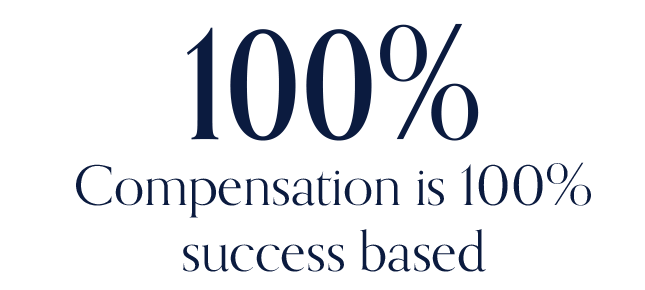
That’s how Sailfish approaches a family-business exit — mapping your earnings, team, customer base, and growth story against what real buyer pools are paying now, then sequencing the fixes that move your number before going to market. The process protects you while it works: your business is marketed confidentially, buyers are screened for proof of funds and ability to close before they get access, and qualified buyers are put into genuine competition so a single early offer never sets the ceiling. With 25+ years of experience, 1,000+ Florida owners helped, and a success-based model, the aim is for you to exit on your terms — ahead of the wave, not buried in it.
Frequently Asked Questions
Is now a good time to sell a family business in Florida? For prepared owners, yes. Average cash-flow multiples firmed to about 2.7x SDE in early 2026 with steady median prices, per the Insight Report, and well-run businesses are being rewarded. The risk is waiting until the retiring-owner wave floods the market with listings, when buyers can be choosier and unprepared businesses get discounted.
What is the “silver tsunami” and how does it affect my sale? It’s the wave of baby-boomer owners retiring at once — roughly half of US small-business owners are 55+, and McKinsey estimates ~$5 trillion in business value could transfer over the decade, per Fortune. For you, it means more sellers competing for the same buyers, which rewards preparation and timing.
My kids don’t want the business. What are my options? Selling to an outside buyer — an individual, a strategic acquirer, or a financial buyer — is the most common path when there’s no family successor. The key is to confirm that answer early so you have the runway to prepare the company for an outside buyer rather than scrambling later.
How much is my family business worth? Most owner-operated service businesses trade around 1.5x to 3.5x SDE, with the multiple moving on owner dependence, recurring revenue, customer concentration, and the cleanliness of your books. The real answer comes from a buyer-backed valuation grounded in what qualified buyers can actually finance, not a generic rule of thumb.
How do I sell without my employees and customers finding out? Through a confidential process: blind marketing with no company name, NDAs before any disclosure, and sensitive information released in stages only to screened, qualified buyers. You control when and how your team learns, on a plan rather than through a leak.
How does Sailfish Equity Advisors help Florida family-business owners? Sailfish provides a confidential, buyer-backed valuation and runs the full sale process — preparing financials and add-backs, reducing owner dependence and concentration risk before market, marketing the business blind under NDA, screening buyers for proof of funds and ability to close, and creating competition among qualified buyers. With 25+ years of experience and 1,000+ Florida owners helped, the fee model is success-based.
Start Before the Wave Crests
The retiring-owner wave is a fact of arithmetic, not a forecast — and it rewards the owners who prepare and move while buyers still have to compete for good companies. Whether you plan to sell next year or in five, the work that makes a family business sellable is the same work that makes it more valuable to own today. Find out where yours stands. Book a confidential call for a buyer-backed valuation and a clear, honest plan for your exit.
Florida business broker overview: Florida business broker overview
For statewide guidance on valuation, confidentiality, buyer qualification, and closing, visit our Florida business broker guide.