
What’s a Florida Marina Actually Worth?
Separate Marina Real Estate, Operations, and Waterfront Value
Marina buyers evaluate slip occupancy, waterfront rights, fuel and service revenue, environmental exposure, deferred maintenance, real estate, and transferability. To assess what drives the value of your Florida marina, schedule a confidential exit-planning conversation.





Why Sailfish Separates Marina Cash Flow From Waterfront Risk
Operating earnings normalized by revenue stream
Real estate and business value separated
Permit and submerged-land diligence
Storm and capital-expenditure review
Qualified marine-industry buyers
1,000+ Florida Business Owners Trust Us
Real stories from owners who sold, scaled, and succeeded with Sailfish.
Now is the Perfect Time to Sell Your Business in South Florida:




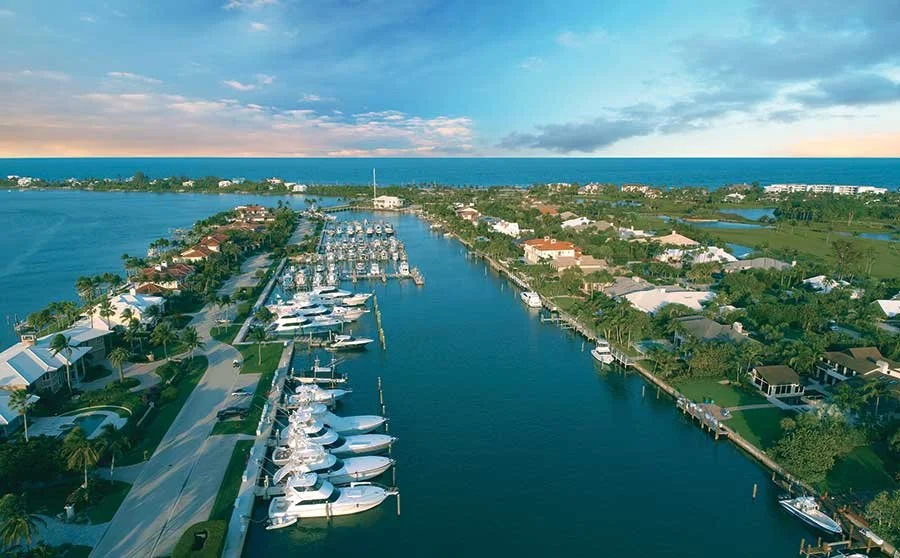
What’s a Florida Marina Actually Worth? Selling the Highest-Multiple Business in the State
A Florida marina is often worth more than its owner assumes, because two engines drive the price at once: recurring slip and storage income, and waterfront real estate that nobody can build more of. Marinas led the country’s business-sale multiples in 2026, ahead of car washes and self-storage, according to BizBuySell’s industry multiples data. If you own a marina, boatyard, or dry-stack facility on the Florida coast, you may be sitting on the most financeable business most buyers will ever see.
Sailfish Equity Advisors is a Florida business brokerage and M&A advisory firm that helps marine and waterfront business owners across the state value, prepare, confidentially market, and sell their companies — with buyer-backed valuation, buyer screening, staged confidentiality, and deal positioning before anything goes to market. Marine is in our name and our backyard, and this is how we’d walk a marina owner through the question every owner eventually asks: what is this actually worth, and who would buy it?
Why Marinas Sit at the Top of the Multiple Tables
Most businesses sell on a multiple of earnings. A marina sells on earnings and dirt — and that combination is rare.
Start with the cash flow. A marina’s slip rentals, dry-stack storage, fuel sales, service and repair labor, and ships-store revenue tend to repeat month after month. Boaters who keep a vessel in your basin don’t shop around every quarter; they renew. That recurring income is exactly what buyers pay premiums for in any industry — the same reason pool-service routes, pest-control contracts, and HVAC maintenance bases command strong numbers. In marine, the recurring revenue comes attached to something even better.
That something is the waterfront. Submerged-land leases, permitted wet slips, and approved dry-stack capacity are effectively impossible to replicate on the Florida coast. New marina permitting runs into manatee protection zones, seagrass mitigation, and local growth limits that can take years and often end in “no.” A buyer isn’t just acquiring a business; they’re acquiring a license to operate on water that no competitor can easily duplicate. Scarcity is a multiple driver, and few assets in Florida are scarcer than approved waterfront.
That’s why marinas topped the 2026 category tables and why marine specialists describe a separate, real-estate-inclusive band for the best assets. Treat any single multiple as a starting point, not a promise — your number depends on what’s below.
What Your Florida Marina Is Worth: The Numbers Behind the Range
There is no one multiple for marinas, because a high-and-dry storage operation on leased land and a fee-simple deepwater marina with fuel and a boatyard are different animals.
On the operating-business side, marinas were the strongest category in 2026 multiples, sitting above car washes and self-storage — the recurring-revenue, hard-to-replicate categories that buyers chase. On the real-estate-heavy side, marine-specialist advisors describe well-run marinas trading in a much higher EBITDA band when owned waterfront is part of the deal, with active consolidators able to close in roughly four to five months. The gap between those two worlds is the single most important thing to get right before you price anything.
A few benchmarks worth holding in your head, regardless of which side you’re on. Recurring revenue, contracts, and density attract stronger buyers and stronger numbers. Customer or tenant concentration above roughly 20–30% — say, one large fleet account or a single transient-heavy season — gets priced as risk. Buyers expect three years of clean financials. And a typical business sale runs six to twelve months from preparation to closing, though marina deals with real estate and environmental review can run longer because of permitting and lease-assignment diligence. Knowing where your marina lands in these ranges is the difference between a defensible asking price and a number a buyer dismantles in diligence.
Slip Income, Dry Stack, and Fuel: What Buyers Actually Pay For
Buyers don’t buy your marina the way you experience it. They take it apart line by line and ask what survives a change of ownership.
Slip and storage occupancy and rate. Your wet-slip and dry-stack occupancy, your rate per foot, and your waitlist are the heart of the valuation. High, stable occupancy at market rates says the income transfers. A long waitlist says there’s pricing power the next owner can capture — and buyers will pay for upside they can see. Coastal Florida marinas can command strong rates per foot at high occupancy, which is precisely what makes the recurring number so valuable.
Revenue mix and seasonality. Slip income is sticky; transient dockage and fuel swing with the season and with tourism. A marina that earns through the slow months — on annual contracts, storage, and service — out-multiples one that lives and dies on holiday weekends. Buyers and their lenders average your weakest quarter into the model, so a revenue mix that holds up in September is worth real multiple points.
Service yard and fuel operations. A boatyard with haul-out, repair labor, and a fuel dock adds high-margin, hard-to-replicate revenue — but it also adds environmental exposure. Buyers will want clean records on fuel systems, spill response, and any prior remediation. Documented, compliant operations transfer as an asset; unknowns get priced as a liability the buyer subtracts from your price.
Owner dependence. Owner dependence is expensive in marine, too. If you personally hold the key tenant relationships, set every rate, and are the only one who knows which pilings are due for replacement, the buyer is purchasing a job, not a business. A trained dockmaster, a documented maintenance schedule, and a real management layer move you up the range.
Who Buys Florida Marinas — and How to Make Them Compete
Marinas attract an unusually wide and well-capitalized buyer pool, which is good news for sellers who run a real process instead of taking the first call.
At the institutional end, marina operating companies and consolidators are actively expanding portfolios, and storage-focused investment platforms have moved aggressively into boat-and-RV storage at scale. These buyers pay up for occupancy, scale, and clean operations, and they can close quickly. At the private end, family offices and individual investors pursue single waterfront properties as much for the irreplaceable real estate as for the operating income. SBA-backed buyers can finance smaller marina and boatyard businesses, and the July 4, 2026 expansion of the SBA’s combined 7(a)+504 limit to $10 million widened the qualified-buyer pool for capital-intensive, real-estate-heavy deals exactly like marinas.
More buyer types means more competitive tension — but only if they’re at the table at the same time. One unsolicited offer from a consolidator, evaluated alone, anchors your price to a single party’s first number. The defense is a confidential, competitive process where qualified buyers know they’re not the only one looking. Sellers value the past. Buyers pay for the future — and they pay the most when another credible buyer is reaching for the same dock.
Selling Without the Whole Marina Knowing: Confidentiality in a Small World
Florida’s marine community is tight. Dockmasters talk, tenants talk, and the fuel-dock rumor mill runs fast. If word gets out that you’re selling before you’re ready, tenants get nervous, your best staff start fielding calls, and competitors whisper to your slip-holders. Confidentiality is not a courtesy. It is deal protection.
A proper marine sale is marketed blind: no marina name, no basin, no identifying photos until a buyer has signed a non-disclosure agreement and cleared an initial screen. Financials and tenant rosters are released in stages, not all at once, and the most sensitive details come last. That staged disclosure protects your rates, your relationships, and your negotiating position right up to closing.
Screening matters as much as secrecy. Interest is not ability. A buyer who can’t show proof of funds, financing capacity, and a credible plan to operate a permitted waterfront facility should not get the same access as one who can. A buyer who cannot demonstrate ability should never see your tenant list. Screening for financial capacity, experience, intent, and ability to close is what keeps a confidential process both safe and serious.
How Sailfish Turns Waterfront Operations Into Buyer Confidence
A buyer-backed valuation starts from a different question than a spreadsheet does: not “what formula applies to marinas?” but “which buyers can finance and close on this marina, and what will they support?” That’s how we approach a marine business — mapping your slip and storage income, revenue mix, service-yard margins, lease and permit status, and real-estate position against what real buyer pools are paying right now.
From there, the process protects you while it works. Your marina is marketed confidentially, buyers are screened for proof of funds and ability to close before they see sensitive detail, and qualified buyers are put into genuine competition so a single early offer never sets the ceiling. That’s the value of working with a Florida business broker who knows both the deal mechanics and the marine market — 25+ years of experience, 1,000+ Florida owners helped, and a success-based model. Most owners don’t have a selling problem. They have a transferability and positioning problem — and both are fixable before you go to market.
Frequently Asked Questions
How much is my marina worth in Florida? It depends on whether the deal is primarily an operating business or includes owned waterfront real estate. Marinas were the top business-sale category in BizBuySell’s 2026 multiples, and real-estate-heavy marinas trade in a higher EBITDA band per marine-specialist advisors. The real answer comes from your occupancy, rate per foot, revenue mix, and lease or ownership status — not a single rule of thumb.
What drives a marina’s value up the most? Recurring slip and dry-stack income at high occupancy and market rates, a revenue mix that holds through the off-season, owned or securely leased waterfront, clean environmental and fuel-system records, and a management team that runs the place without the owner. Each one removes risk a buyer would otherwise discount.
Who buys marinas and boatyards in Florida? Marina operating companies and consolidators, boat-and-RV storage investment platforms, family offices, and individual investors — including SBA-financed buyers for smaller facilities. The 2026 increase in the SBA combined loan limit to $10 million widened the financeable pool for larger, real-estate-heavy marina deals.
Does the real estate sell with the business? Often, and it usually should be valued as part of the same transaction, because the permitted waterfront is a large share of what a buyer is paying for. How the real estate is owned or leased — fee simple, submerged-land lease, ground lease — materially changes both the value and the buyer pool.
How long does it take to sell a marina? A typical business sale runs six to twelve months from preparation to closing. Marina deals can run longer because of real-estate diligence, environmental review, and lease or permit assignments, so starting preparation early keeps those long-lead items off your critical path.
How does Sailfish Equity Advisors help Florida marina owners? Sailfish provides confidential, buyer-backed valuations and runs the full sale process for marine and waterfront owners — preparing financials, positioning the slip and storage income and real estate, marketing the business blind under NDA, screening buyers for proof of funds and ability to close, and creating competition among qualified buyers. With 25+ years of experience and 1,000+ Florida owners helped, the fee model is success-based.
Find Out What Your Marina Would Command Today
A Florida marina is one of the few businesses where recurring income and irreplaceable real estate sit on the same balance sheet — and that’s exactly why pricing and positioning it well matters so much. Whether you’re thinking about selling next season or in five years, it’s worth knowing your real, buyer-backed number before a consolidator hands you theirs. Book a confidential call and we’ll show you what qualified buyers would actually support for your marina today.
The Florida Marina Value File: Operations, Waterfront Rights, and Deferred Capital
A marina valuation should separate the operating business from the real estate and from rights that allow the waterfront use to continue. Break revenue into annual wet slips, transient dockage, dry storage, fuel, service and repair, haul-out, ship store, rentals, and other concessions. Each stream has a different margin, staffing need, seasonality pattern, and transfer risk. A waitlist is useful evidence only when supported by rate history, actual occupancy, vessel size, cancellations, and the capacity to serve those customers.
Then build the rights-and-permits file. Florida marina diligence may involve upland ownership or lease terms, submerged-land rights, environmental permits, fuel-system records, dredging needs, water depth, hurricane plans, and local approvals. The exact requirements vary by site, so sellers should use qualified Florida real-estate, environmental, and maritime professionals. A buyer will not treat an assumed right as transferable simply because the marina has operated for years.
Deferred capital can move value as much as earnings. Document seawall condition, docks, pilings, lifts, electrical systems, fire protection, pump-out facilities, roofs, paving, forklifts, travel lifts, tanks, and major maintenance. Separate normal replacement reserves from a one-time capital project. If a storm damaged the property, organize insurance claims, repairs, permits, and post-repair inspections so a buyer can distinguish a resolved event from an ongoing risk.
Finally, show operating resilience. Present monthly occupancy, rate increases, customer concentration, insurance costs, payroll, utilities, fuel margins, and working-capital seasonality. A Gulf Coast marina with strong dry storage may underwrite differently from an Atlantic transient facility or an inland boat-storage operation. The value comes from the specific income stream and legal operating footprint—not the word “marina.”
Florida Marina FAQs
Is the waterfront real estate included in the business multiple? It should be valued and structured explicitly. Buyers may purchase, lease, or separate the real estate from the operating company.
Does a slip waitlist automatically increase value? Only when pricing, retention, capacity, and the cost to serve the demand are supported.
What is the most common diligence surprise? Unclear transfer rights or underestimated capital work can change financing and price late in the process.
For the broader statewide sale process and buyer strategy, see our Florida business broker guide.
For statewide guidance on valuation, confidentiality, buyer qualification, and closing, visit our Florida business broker guide.