
Private Equity Keeps Calling About Your HVAC Business

Sell Your HVAC Business. Step Into Freedom.
Create the Future You Deserve— It Starts with Selling Your HVAC Business

Thinking About Selling Your Business?
Find Out What Your Business is Worth!
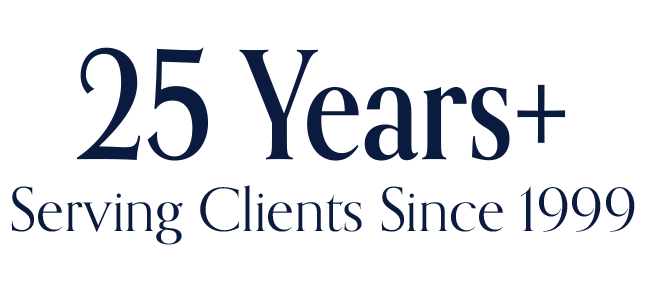
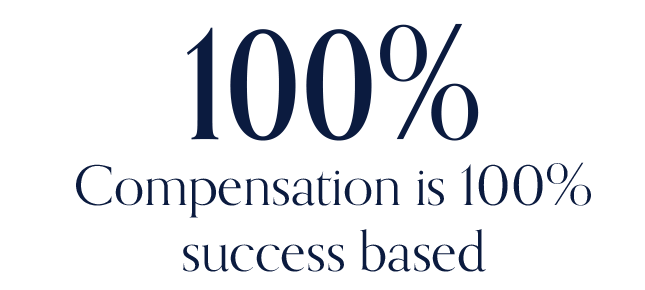
25+ Years of Success: Exclusive Buyers. Maximum Value. Zero Upfront Fees.
- ✓92% Success Rate – Proven expertise in closing efficiently.
- ✓Sell in as Fast as 90 Days – A streamlined, efficient process.
- ✓100% Confidential Sales – Protecting your business.
- ✓Multiple Competitive Offers – Serious buyers waiting.
Now is the Perfect Time to Sell Your HVAC Business
Let Us Help You Get the Best Price


Why Sailfish Helps Florida HVAC Owners Decode Private-Equity Offers
Selling your HVAC business is more than a transaction—it’s the payoff for years of grit, growth, and late nights. At Sailfish Business Brokers, we help HVAC owners across Florida and the U.S. exit on their terms, with clarity, confidentiality, and maximum value.
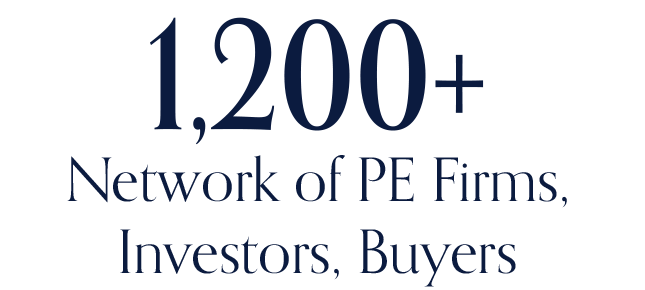
With 25+ years of experience and over 1,000 successful sales, we bring deep industry expertise and a national buyer network ready to act.
Why HVAC Owners Choose Sailfish:
Florida-Based, National Reach – We understand regional trends and connect you with qualified buyers across the country.
Tailored Strategy – Every HVAC business is unique. We build a custom plan to showcase your strengths and drive competition.
Proven Results – Our clients walk away with top-dollar deals and stress-free transitions.
Your Next Step
Whether you’re preparing for retirement or ready to move on, we’ll guide you every step of the way.
Start with a free, confidential valuation today. Your future starts now.




Private Equity Keeps Calling About Your HVAC Business. Should You Pick Up?
Pick up — but know what’s on the other end before you say anything you can’t take back. Private-equity-backed platforms are buying HVAC businesses at a record pace, and a call about yours is a signal that your company has real, financeable value. It is not, however, a valuation. The first number these buyers float is the opening move in a negotiation designed to keep you from talking to anyone else.
Sailfish Equity Advisors is a Florida business brokerage and M&A advisory firm that helps HVAC and home-services owners across the state value, prepare, confidentially market, and sell their companies — using buyer-backed valuation, buyer screening, staged confidentiality, and deal positioning before anything goes to market. If a roll-up is calling about your Florida HVAC company, here’s the buyer’s playbook, decoded — so you can answer from strength instead of surprise.
Why the Calls Are Coming: The Roll-Up Machine, Explained
The outreach isn’t random, and it isn’t about you personally. It’s a strategy running at full speed across the trades.
Private equity figured out what HVAC owners always knew: heating and cooling produces steady cash flow doing work that can’t be offshored or automated, and customers pay because the alternative is a hot house in July. So sponsors build a “platform” — one larger HVAC company — and then bolt on smaller companies around it, gaining technicians, maintenance accounts, and branch density with each acquisition. The pace has been climbing. PE-backed share of HVAC deals jumped from roughly 8% in 2023 to about 23% in 2024, and add-on activity surged — global HVAC add-ons rose roughly 88% year over year, with the count still climbing through 2026, per CT Acquisitions’ 2026 private equity HVAC guide and S&P Global Market Intelligence.
There are now roughly 27 active US roll-up platforms acquiring HVAC companies. Just over half of recent HVAC M&A transactions were backed by private equity or their portfolio companies. When a platform needs to add density in your market, it contacts every owner in the area at once. The letter feels personal. The strategy is industrial.
Who’s Actually Calling: The Platforms and Their Backers
The names behind the letters are some of the largest investors in the country, which tells you both how much capital is chasing HVAC and how disciplined these buyers ultimately are.
The most active platforms include Apex Service Partners (backed by Alpine Investors), Sila Services (now backed by Goldman Sachs Alternatives after a roughly $1.7 billion deal in late 2024), Wrench Group (Leonard Green), Champions Group (Blackstone), and Service Logic (Bain Capital and Mubadala), per CT Acquisitions. The scale is real: Apex Service Partners alone has completed well over 100 acquisitions to date, including roughly 60 add-ons in a single recent year.
Here’s what that means for you. The capital is patient and the buyers are sophisticated. They run quality-of-earnings reviews, they model your business against a portfolio standard, and they negotiate for a living — many times a year. An owner selling once in a lifetime, across the table from a buyer acquiring monthly, is not in a fair fight without preparation and representation. That’s not a reason to avoid these buyers. It’s a reason to meet them prepared.
What These Buyers Pay For — and What Makes Them Pay More
Platforms buy on EBITDA — earnings after a market-rate salary for someone to do your job — because they assume the business will run without you. Sector multiples run roughly 3x to 10x EBITDA, and PE-backed operators with strong recurring service-agreement revenue sit toward the top, in the 6x to 10x range, per the 2026 PE HVAC data. The difference between the bottom and top of that range is rarely the trucks. It’s the structure of the business.
What pushes you toward the top:
A real maintenance-agreement base. This is the single biggest driver. A buyer looking at thousands of active service agreements sees predictable revenue and a locked-in replacement pipeline. A buyer looking at a phone that rings when it’s hot sees a marketing expense. Recurring revenue, contracts, and route density attract stronger buyers and stronger numbers in every trade — and platforms pay for it specifically.
Management depth and technician retention. Platforms want a service manager, an install manager, and an office that functions when you’re not there. A trained team with documented roles beats owner-does-everything at every price point. They’ll ask how many certified techs you have, their tenure, and who stays after closing.
Clean, reviewable financials. Buyers want three years of clean financials that survive a quality-of-earnings review. Documented add-backs raise your earnings; aggressive or unsupported ones create doubt, and doubt is priced as risk.
Low owner dependence and low concentration. Owner dependence is expensive. If you price every changeout and hold every key relationship, the platform is buying a job, not a business. And any single builder or customer above roughly 20–30% of revenue draws extra scrutiny. Most owners don’t have a selling problem. They have a transferability problem — and it’s fixable.
The Headline Number Isn’t the Deal: How Offers Are Structured
The figure in that first letter is engineered to be memorable. What it usually isn’t is the cash you’ll actually walk away with at closing.
Platform offers routinely include earnouts (a portion of the price paid only if the business hits future targets), equity rollover (you reinvest part of your proceeds into the platform’s stock and get paid again only if they sell later), and holdbacks (money parked in escrow against future problems). Each of these shifts risk from the buyer back to you. A “10x” headline built mostly on rolled equity and an aggressive earnout can be worth far less, and far less certain, than a lower number paid mostly in cash at close.
There’s a second pattern worth naming. An unsolicited indication of interest arrives before anyone has examined your financials. The headline figure is calculated to get you to stop shopping — and it routinely shrinks in diligence once the buyer knows you have no alternative at the table. One buyer, no competition, no prepared financial story is the weakest position an owner can occupy, no matter how flattering the opening number looks. Sellers value the past. Buyers pay for the future — and they pay the most when they know another qualified buyer is reaching for the same company.
Should You Take the Call? Answering From a Position of Strength
A call from a credible platform is good news. It confirms your company is the kind of asset sophisticated capital wants. The mistake isn’t taking the call — it’s negotiating against yourself the moment you do.
HVAC business broker guide: https://www.sailfishequityadvisors.com/hvac-business-broker
Before you engage, know your real, buyer-backed number. That means understanding what qualified buyers — both platforms and individual SBA-financed buyers — can actually finance and support based on your cash flow, recurring revenue, team depth, and risk profile, not what one party’s opening letter claims. A prepared owner reads an unsolicited offer as a single data point. An unprepared owner reads it as a valuation.
Then create competition. The way to find out whether a platform’s number is strong is to run a confidential process where several screened buyers know they’re not the only one looking. Interest is not ability — a buyer should show proof of funds, financing capacity, and a credible plan before getting access to your financials, and a buyer who can’t demonstrate ability shouldn’t get the same access as one who can. Genuine competition among qualified buyers is what turns a flattering letter into a closed deal at a real number. If a platform is already calling, that’s exactly the moment to understand the full process of selling your HVAC business before you respond — not after.
How Sailfish Turns a Cold Letter Into a Competitive Deal
A buyer-backed valuation starts from a different question than the platform’s letter does: not “what will you accept?” but “which buyers can finance and close on this business, and what will they support?” That’s how Sailfish values an HVAC company — mapping your earnings, agreement base, team depth, and revenue mix against what real buyer pools, platform and individual alike, are paying right now.
From there, the process protects you while it works. Your company is marketed confidentially, buyers are screened for proof of funds and ability to close before they see your numbers, and qualified buyers are put into genuine competition so a single early offer never sets the ceiling. We read deal structure the way the platforms do — testing the earnouts, rollovers, and holdbacks behind a headline so you can compare offers on what you’ll actually receive. With 25+ years of experience, 1,000+ Florida owners helped, and a success-based model, the goal is simple: you answer the next letter from strength, not surprise.
Frequently Asked Questions
Why is private equity buying HVAC businesses? HVAC produces steady, recession-resistant cash flow doing essential work that can’t be offshored. Sponsors build a platform company and add on smaller firms to gain technicians, maintenance accounts, and market density. PE went from roughly 8% of HVAC deals in 2023 to about 23% in 2024, with add-on activity up sharply, per CT Acquisitions.
What multiple do private equity buyers pay for HVAC companies? Roughly 3x to 10x EBITDA for the sector, with PE-backed operators that have strong recurring service-agreement revenue toward the top of that range (about 6x–10x), per the 2026 PE HVAC data. Smaller owner-operated shops are more often valued on SDE and matched with individual SBA-financed buyers.
Should I sell my HVAC business to private equity? Possibly — but treat the first offer as an opening position, not a valuation. The best way to know whether a platform’s number is strong is to run a confidential, competitive process with several screened buyers, so a single unsolicited bid doesn’t anchor your price low.
Is the offer in an unsolicited letter trustworthy? It’s a starting point produced before anyone has reviewed your financials, and it’s designed to stop you from shopping. Headline figures often include earnouts, equity rollovers, and holdbacks that shift risk to you and frequently shrink in diligence when you have no competing buyer.
What makes a platform pay top dollar for an HVAC company? A real, documented maintenance-agreement base; a management layer and retained technicians; three years of clean, reviewable financials with supported add-backs; low owner dependence; and no single customer above roughly 20–30% of revenue. Each one removes risk the buyer would otherwise discount.
How does Sailfish Equity Advisors help Florida HVAC owners facing PE interest? Sailfish provides a confidential, buyer-backed valuation, then runs a competitive process — marketing the business blind under NDA, screening buyers for proof of funds and ability to close, and testing the structure behind each offer so you compare what you’ll actually receive. With 25+ years of experience and 1,000+ Florida owners helped, the fee model is success-based.
Know Your Number Before You Answer the Next Letter
A private equity call means your HVAC business has value worth competing for. The owners who win these deals aren’t the ones who pick up fastest — they’re the ones who already knew their real, buyer-backed number and made qualified buyers compete for it. Whether a platform is calling now or you expect they will, find out what your company would actually command today. Book a confidential call and walk into the next conversation prepared.
The Florida HVAC Private-Equity Offer Decoder
An unsolicited number is not a valuation until the terms are defined. Start by separating cash at close, debt assumed, seller note, earnout, rollover equity, working-capital requirement, and any escrow or indemnity holdback. A headline based on “adjusted EBITDA” can change materially after the buyer’s quality-of-earnings review, especially if proposed add-backs include family payroll, personal expenses, future hiring savings, or revenue that has not yet reached a normal margin.
Next determine whether the company is being evaluated as a platform or an add-on. A Florida HVAC platform typically needs management depth, reliable reporting, a transferable license structure, recruiting capacity, dispatch and pricing discipline, and enough scale to integrate future acquisitions. An add-on may receive strategic interest for route density, service agreements, technicians, a local brand, or entry into a new Florida market, but the buyer may expect the seller’s back office to be absorbed. That difference affects price, the owner’s post-close role, and which employees remain central.
Florida diligence should show monthly demand and margin, not just annual revenue. Separate maintenance agreements, replacement work, new construction, and emergency service. Show technician retention, callback rates, membership renewal, average ticket, fleet condition, financing-program exposure, and how extreme-weather periods affect staffing and working capital. If a qualifying license or major supplier relationship depends on the owner, solve the continuity plan before exclusivity.
Treat rollover equity as a new investment, not deferred sale proceeds. Ask what entity the seller will own, what debt sits ahead of that equity, how future dilution works, who controls distributions, and when another exit might occur. Model a downside case in which the second sale takes longer or produces less than projected. Earnouts deserve the same discipline: the metric, accounting rules, operating control, spending authority, and dispute process should be written before the seller relies on the payment.
Florida HVAC PE FAQs
Should I sign an LOI from the first group that calls? Only after comparing price, structure, certainty, cultural fit, and the value of creating competition. Exclusivity removes leverage.
Is a high EBITDA multiple always the best offer? No. Cash at close, rollover risk, working-capital terms, indemnities, and the owner’s required employment can change the result.
What should be ready before sharing detailed information? A clean earnings bridge, customer and service-agreement data, technician roster, license plan, fleet schedule, and controlled disclosure process.
For the broader HVAC sale and buyer landscape, see our HVAC business broker guide.
Related resource: HVAC business broker overviewRelated: HVAC advisory details
For statewide guidance on valuation, confidentiality, buyer qualification, and closing, visit our Florida business broker guide.