
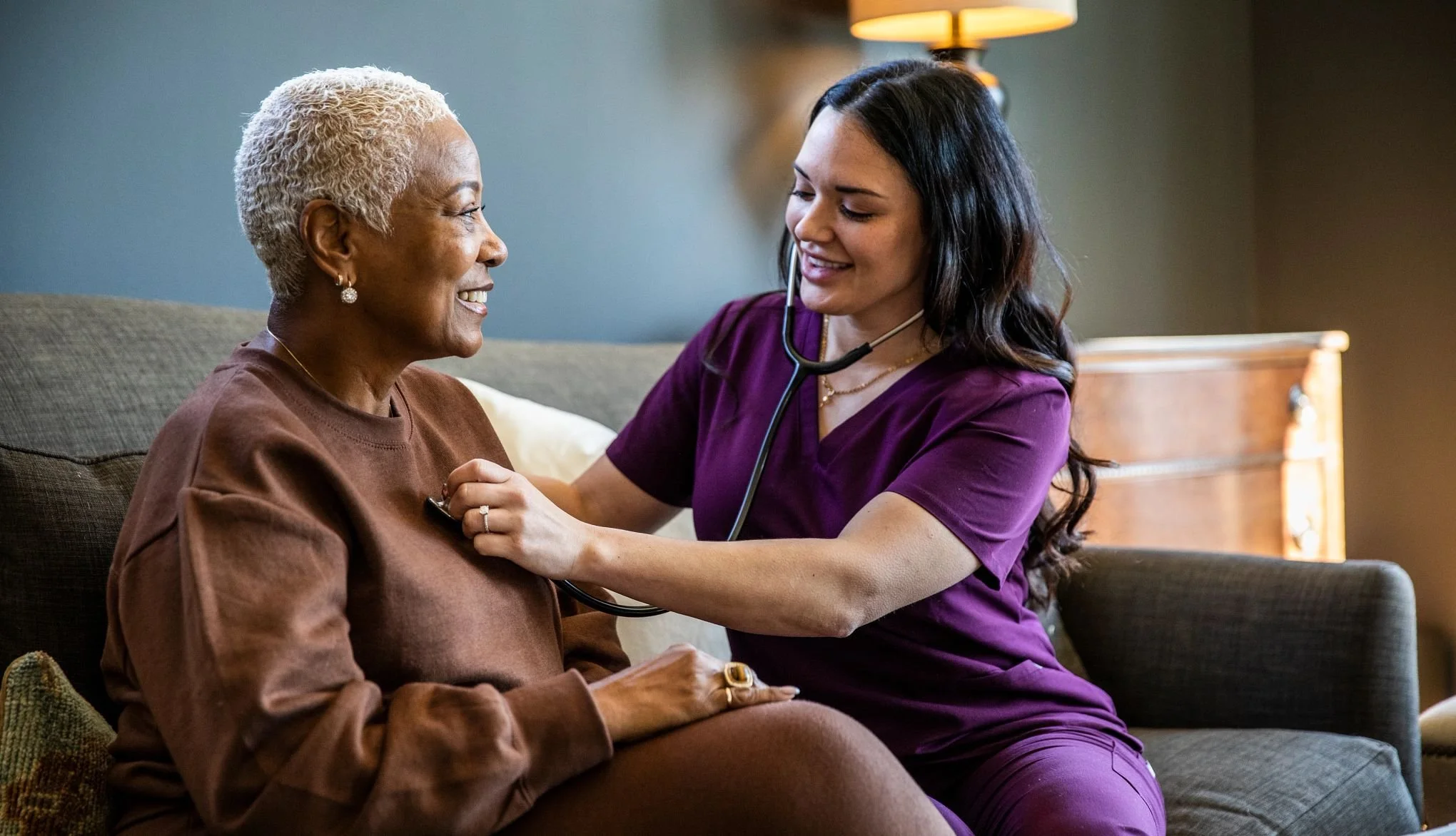
Sell a Home Health Agency in Florida
You built a home health agency worth protecting. We provide the valuation, qualified buyers, and hands-on guidance you need to sell with confidence and preserve the value you’ve worked hard to create.


Sell Your Home Health Agancy While the Market Is Strong!
-
![Established home health agency with recurring patient revenue and strong buyer demand]()
Buyer demand is strong, recurring patient revenue is highly valuable, and well-run home health agencies are commanding premium multiples.
-
![Home health agency with recurring patient census and steady year-round care demand]()
Steady year-round care demand, recurring patient census, and continued growth in home-based healthcare are creating a favorable window for home health agency owners to sell.
-
![Established home health agency with a stable patient census and strong referral network]()
A stable patient census, strong referral relationships, and consistent demand for in-home care are making established home health agencies especially attractive to buyers.


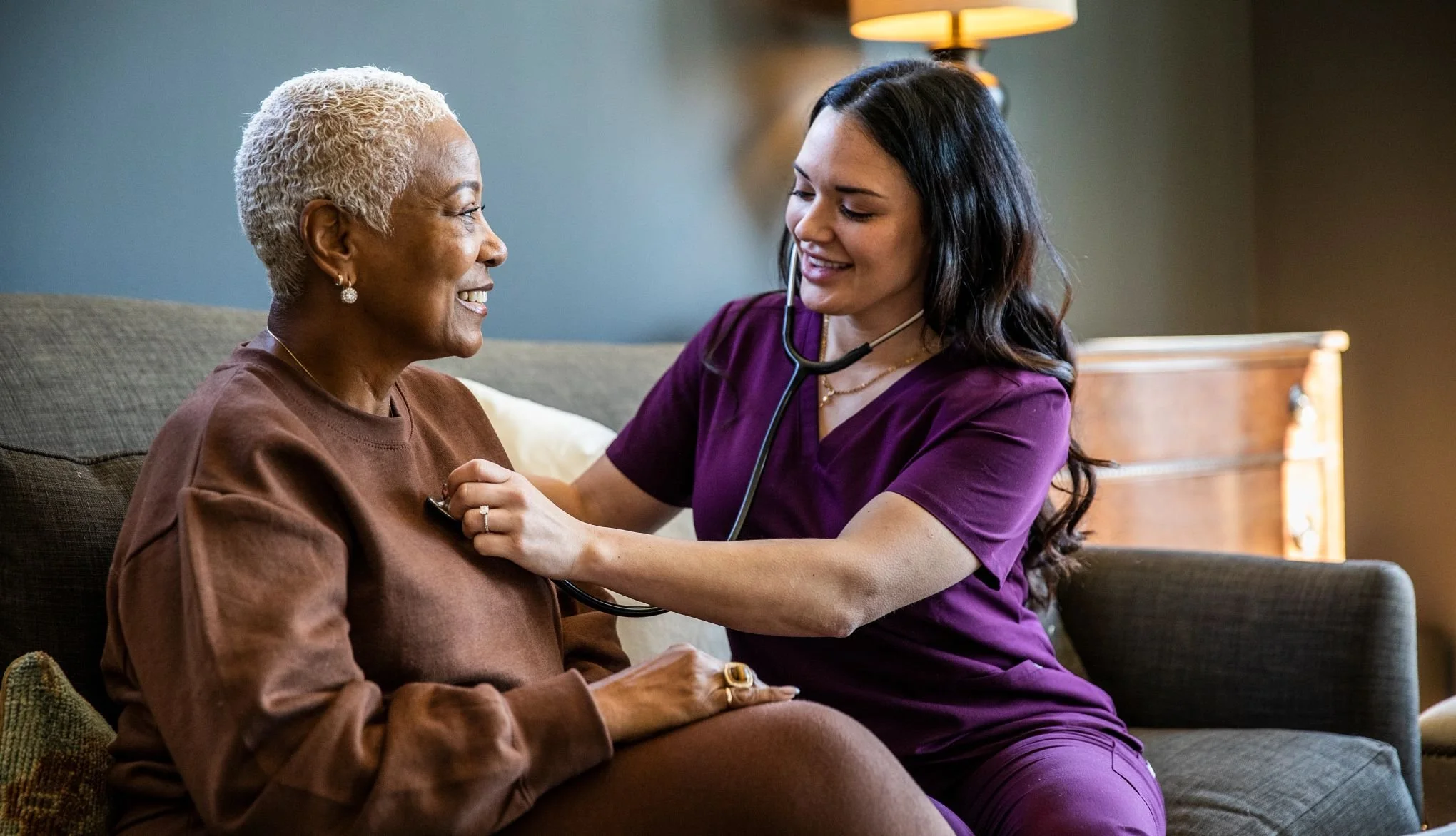
Start the Next Chapter of Your Life Today
-

Find Out What Your Home Health Agency Business Is Worth
Schedule your free business valuation today. Our experienced home health agency business brokers help owners sell confidentially and maximize the value of their agencies.
-

Achieving a 90% Success Rate in Home Health Business Sales
Because we carefully select the agencies we represent, we maintain a 90% success rate in selling home health agencies.
-

$0 No Upfront Home Health Agency Business Broker Fees
Sell your home health agency with confidence and pay no upfront fees. Our experienced business brokers are committed to delivering results before you pay.
Maximize Your Exit With Experienced Home Health Business Brokers

Home health agencies are built on trust, quality care, and dependable relationships with patients, families, referral sources, and clinical staff. We understand what it takes to maintain compliance, retain skilled caregivers, manage reimbursement, protect referral relationships, and deliver consistent care while keeping the agency financially strong.
Home Health Industry Knowledge
We understand how patient census, payer mix, referral concentration, caregiver retention, licensing, compliance history, reimbursement rates, and owner involvement influence buyer interest and agency value.
Connections to Qualified Buyers
We introduce your agency to vetted individual buyers, strategic healthcare operators, family offices, and private equity groups actively seeking established home health businesses with strong operations and growth potential.
A Valuation That Reflects the Entire Agency
We review normalized earnings, patient census, payer mix, referral sources, staffing structure, reimbursement trends, compliance records, market coverage, and expansion opportunities to establish a credible and defensible value.
A Confidential, Managed Sale Process
We manage the transaction discreetly from valuation and buyer qualification through negotiations, due diligence, and closing, helping you protect your patients, employees, referral relationships, and daily operations throughout the process.
What Our Clients Say
Insights & Strategies from America’s Home Health Business Brokers




Our Home Health Business Brokers
-

Rajiv Khatri
Managing Partner
-

Sarah Khatri
Managing Partner
-

Franklin Luke
Business Sales Advisor
Sell a Home Health Agency in Florida: Value, Buyers, and the AHCA Rule (2026)
What a Florida home health agency or medical practice is worth in 2026, who is buying, and the licensing rule that decides your timeline.
A Medicare-certified Florida home health agency generally sells for about 5x to 8x adjusted EBITDA in 2026, with platform-grade agencies reaching 8x to 12x — while a non-certified personal-care agency at the same revenue caps closer to 3x to 5x. Certification alone can be worth a 1.5x to 2x higher multiple. Sailfish Equity Advisors is a Florida business brokerage and M&A advisory firm that helps home health, home care, and medical practice owners value, prepare, confidentially market, and sell their businesses — with buyer-backed valuation, buyer screening, and a structured process built before a single buyer sees the chart.
Selling a licensed care business is not like selling a trades company. The value lives in your payer mix, your referral relationships, and your compliance record — and in Florida, the sale itself runs through a state agency. Understanding that early is the difference between a clean close and a stalled one.
PE Keeps Buying Florida's Care Businesses — Would Yours Pass Diligence?
Private equity has spent the last few years consolidating home health, home care, and outpatient medical practices, and Florida — with its patient demographics and referral density — is one of the most active states in the country. The public-market marker is recent and specific: in May 2026, Enhabit went private in a roughly $1.1 billion deal with Kinderhook Industries at about 10.2x EBITDA. Below that headline, regional buyers and physician-practice platforms are quietly acquiring owner-run agencies and practices across the state.
What all of them are underwriting is durability: will the revenue, the referrals, and the compliance survive a change of ownership? The owners who sell well are the ones who can answer that with documentation before a buyer asks. The ones who can't take a discount, a holdback, or a "no."
What a Home Health or Medical Practice Buyer Underwrites
Every buyer — a strategic platform, a private-equity-backed roll-up, or an individual operator — evaluates the same things: recurring revenue quality, payer mix, referral-source concentration, clinical and administrative depth, survey and compliance history, and how much of the operation depends on the owner personally. They are buying the future cash flow of a licensed provider, not your reputation in the community.
The earnings figure depends on your size. Smaller, owner-run agencies are often valued on SDE — seller's discretionary earnings, the owner's total benefit once salary, personal costs, and one-time items are added back. Larger, professionally managed agencies are valued on adjusted EBITDA, because a buyer expects to install its own management. Either number only counts for full value when a buyer believes it continues after you step back.
What Florida Home Health Agencies and Practices Sell For in 2026
Published broker estimates put Medicare-certified home health agencies at roughly 5x to 8x adjusted EBITDA, with platform-grade agencies — clean compliance, scale, salaried leadership — reaching 8x to 12x trailing EBITDA. Non-certified personal-care agencies generally trade lower, around 3x to 5x. Outpatient medical practices commonly land in the 4x to 7x EBITDA range when the practice is not dependent on a single owner-clinician. Small owner-operated agencies that sell on SDE fall in the general service-business range of about 1.5x to 3.5x.
Those ranges look wide because agency quality varies enormously. A $2 million EBITDA agency with a majority-Medicare book, a 4.0-plus star quality rating, a salaried administrator in the seat for over a year, and a clean survey history sits near the top of its band. The same $2 million agency with a sub-half Medicare share, a top referrer sending more than a quarter of its patients, the owner still serving as administrator, and a thin compliance record sits at the bottom — or gets an offer with real money held back. The multiple is a scorecard for risk, and in healthcare the risk lines are payer, referral, provider, and compliance.
The Medicare-Certification Premium: Why the Same Revenue Trades at Two Prices
Here is a distinction that surprises owners: two agencies with identical revenue can be worth dramatically different amounts based purely on certification. A Medicare-certified skilled agency commands roughly a 1.5x to 2x higher multiple than a non-certified personal-care agency of the same size, because certified skilled revenue is reimbursed by a durable payer and is harder for a buyer to replicate — the certification and the survey history behind it are, in effect, an asset.
If you operate a private-pay or non-certified book, that is not a reason to discount yourself; it is a reason to know your buyer pool. Private-pay agencies attract different buyers who value flexibility and margin over Medicare durability. What you should not do is go to market without understanding which side of that line you are on, because it changes both your price and the type of buyer you are looking for.
The AHCA Change-of-Ownership Rule You Can't Ignore
This is the Florida detail most guides skip, and it can stall a closing cold. In Florida, licensed health care providers — including home health agencies — are regulated by the Agency for Health Care Administration (AHCA), and the license does not simply transfer with the sale. A change of ownership, triggered by a change in the licensee's tax ID or a transfer of 51% or more of the ownership, requires the buyer to file a CHOW application with AHCA and be issued their own license.
The timing matters more than owners expect. AHCA generally requires the change-of-ownership application, fees, and all supporting documents — ownership charts, background-screening attestations, and a demonstration of the buyer's proof of financial ability to operate — at least 60 days before the change of ownership. The agency will not transfer the license to the new owner before the actual date of sale, and it needs a signed bill of sale showing the effective date. In practice, that means a home health deal has a regulatory clock running alongside the commercial one, and the buyer's ability to clear it is part of whether they can close at all. Sorting this out — and choosing a buyer who has been through an AHCA CHOW before — is not paperwork you leave to the end. It is deal structure.
Payer Mix, Referral Concentration, and the Diligence That Decides Your Multiple
Once a buyer is serious, diligence in a care business drills into two numbers most owners underweight. The first is payer mix: what share of revenue is Medicare, Medicaid, managed care, or private pay, and how stable each stream is. A balanced, majority-durable payer mix underwrites cleanly; a book leaning hard on a single rate-sensitive payer gets a cautious read.
The second is referral concentration. Home health and many medical practices live or die on where their patients come from — hospitals, discharge planners, physician groups. When one referral source drives more than 20% to 25% of admissions, a buyer sees a single relationship that could walk, and they price that risk in, exactly the way buyers treat customer concentration in any business. Diversified, documented, contract-backed referral relationships are worth real multiple points. Before you go to market, know your payer mix and your referral concentration cold, and be ready to show they are durable.
The Provider-Dependence Discount: Selling a Practice That Isn't You
In a medical practice especially, the hardest question is what happens when the owner-clinician leaves. If you are the physician the patients come to see, or the administrator who holds every referral relationship and signs every compliance attestation, a buyer is looking at a business that could shrink the day you walk out. That is the provider-dependence discount, and it is the single biggest reason clean-looking practices sell for less than owners expect.
The fix is structural and takes time: build clinical and administrative depth beneath you, move a salaried administrator into the seat well before the sale, document the referral relationships as the agency's rather than yours, and be honest about what a transition period would require. A care business that can run without its founder for 90 days is a company a buyer can finance. One that needs the founder's name on the door is closer to buying a job than a business.
Selling a Care Business Quietly — Staff, Referrers, and Patients
Confidentiality is deal protection, and in healthcare the exposure is unusually broad. If your clinicians and administrators hear the agency is for sale, the best of them — already in demand across Florida — start taking calls. If your referral sources hear it, some hedge and send patients elsewhere until they know who will own the agency. If patients and families hear it, continuity worries follow. Every one of those weakens the business while a buyer is valuing it.
A confidential sale keeps control in your hands. The business goes to market as a blind profile — service lines, general region, revenue, payer mix, EBITDA — with nothing that identifies it. No buyer learns the agency's name, sees census or referral detail, or reviews charts and compliance records before signing a confidentiality agreement and clearing a first screen. Sensitive information is released in stages, to qualified buyers only. Your team, your referrers, and your patients learn about the transition when the deal is essentially done and the continuity plan is ready.
Which Buyers Can Actually Close on a Licensed Provider
Interest is not the same as the ability to complete a healthcare acquisition, and in this industry the gap is wider than most. A serious process screens before it shares: financial capacity, relevant healthcare operating experience, a realistic timeline, and — critically — the ability to clear an AHCA change of ownership. A buyer who has never operated a licensed agency and cannot demonstrate proof of financial ability to operate is a buyer who may not survive the CHOW process, no matter how enthusiastic.
Screening also builds your leverage. When a strategic platform, a private-equity-backed roll-up, and possibly a regional operator are all evaluating the agency in parallel, you have a competitive process rather than one conversation on the buyer's terms. And no buyer should see census, referral, or compliance detail that would let them compete with you if the deal falls through.
How Sailfish Turns a Compliant Chart Into Buyer Confidence
A care business sells for the most when its earnings, its payer mix, and its compliance are each proven and its future is not tied to one person — and that proof is the work we do before buyers ever call. Sailfish Equity Advisors starts with a confidential, buyer-backed valuation: we recast your financials into a defensible SDE or adjusted EBITDA, build the add-back schedule buyers will accept, and analyze payer mix, referral concentration, quality scores, and administrative depth the way an acquirer's underwriter will.
With more than 25 years of experience, over 1,000 Florida owners helped, and no upfront fees — we are paid only when the deal closes — we then market the agency blind, screen buyers for both financial capacity and the ability to clear an AHCA CHOW, and run a competitive process across the platforms and operators consolidating Florida care. The goal is to get you paid for the durable, compliant, referable business you built — not discounted for the parts a buyer is unsure about.
Preparing a Home Health or Medical Practice to Sell: 12–18 Months
The best care-business exits are built over a year or more. Clean and separate the financials so your SDE or EBITDA is provable. Strengthen your payer mix and document its stability. Diversify referral sources and put contracts or documented relationships behind them. Move a salaried administrator into the seat and build clinical depth so the business is not you. Get your survey history, quality ratings, and compliance file in order — they are diligence assets. Then get a buyer-backed valuation, understand your certification position, and decide from real numbers whether to sell now or spend another year strengthening the file.
None of this is dramatic. Worked in order, it is what turns a founder-dependent practice into a licensed, transferable business a buyer will pay a premium and clear a state agency to own.
Selling a Home Health Agency in Florida: FAQ
How much is my Florida home health agency worth?
Published estimates put Medicare-certified agencies around 5x to 8x adjusted EBITDA, with platform-grade agencies reaching 8x to 12x and non-certified personal-care agencies closer to 3x to 5x. Your Medicare share, quality rating, referral diversity, and whether a salaried administrator runs it drive where you land.
Does my AHCA license transfer to the buyer when I sell?
No. In Florida the license does not transfer. The buyer must file a change-of-ownership (CHOW) application with AHCA — generally at least 60 days before the change — with fees, ownership and background-screening documents, and proof of financial ability to operate. AHCA won't transfer the license before the actual sale date.
Why does Medicare certification matter so much to my price?
Because certified skilled revenue is reimbursed by a durable payer and is hard for a buyer to replicate. A Medicare-certified agency commonly commands a 1.5x to 2x higher multiple than a non-certified personal-care agency of the same size — the certification and survey history behind it function as an asset.
How do buyers view referral concentration?
Warily. When one hospital, discharge planner, or physician group drives more than about 20% to 25% of admissions, a buyer sees a relationship that could leave with you and discounts for it. Diversified, documented, contract-backed referral sources protect your multiple.
Can I sell without my clinicians and referrers finding out?
Yes. A confidential process markets the agency as a blind profile, requires a confidentiality agreement before any identification, and releases census, referral, and compliance detail only to screened buyers. Most owners inform staff, referrers, and patients once the deal is essentially done and a continuity plan is ready.
How does Sailfish Equity Advisors help home health and medical practice owners in Florida?
Sailfish provides a confidential, buyer-backed valuation, financial recasting, payer-mix and compliance analysis, blind marketing, buyer screening for AHCA-CHOW capability, and deal management through closing — with 25-plus years of experience, 1,000-plus Florida owners helped, and no upfront fees. We run a competitive process so your certified, referable agency is priced for what it is worth.
Find Out What Your Agency or Practice Would Command
With private equity actively buying Florida care businesses, the weakest position is learning your value — and your buyer's CHOW timeline — from their first offer. Start with a confidential, buyer-backed Florida business valuation: know your number, your certification premium, and which buyers could actually clear an AHCA change of ownership before you go to market. Contact Sailfish Equity Advisors to begin a confidential conversation.