
How Much Is My HVAC Business Worth?

Sell Your HVAC Business. Step Into Freedom.
Create the Future You Deserve— It Starts with Selling Your HVAC Business



Thinking About Selling Your Business?
Find Out What Your Business is Worth!
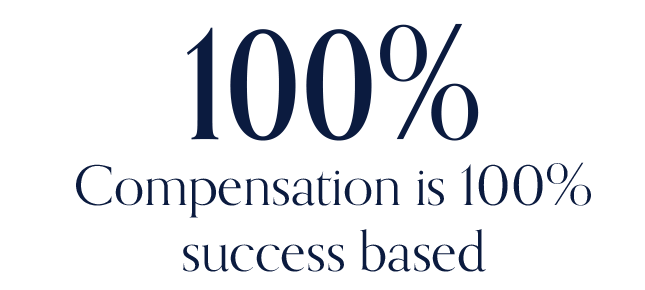
25+ Years of Success: Exclusive Buyers. Maximum Value. Zero Upfront Fees.
- ✓92% Success Rate – Proven expertise in closing efficiently.
- ✓Sell in as Fast as 90 Days – A streamlined, efficient process.
- ✓100% Confidential Sales – Protecting your business.
- ✓Multiple Competitive Offers – Serious buyers waiting.
Now is the Perfect Time to Sell Your HVAC Business
Let Us Help You Get the Best Price


Sell Your HVAC Business with Confidence—Across Florida and Beyond
Selling your HVAC business is more than a transaction—it’s the payoff for years of grit, growth, and late nights. At Sailfish Business Brokers, we help HVAC owners across Florida and the U.S. exit on their terms, with clarity, confidentiality, and maximum value.
With 25+ years of experience and over 1,000 successful sales, we bring deep industry expertise and a national buyer network ready to act.
Why HVAC Owners Choose Sailfish:
Florida-Based, National Reach – We understand regional trends and connect you with qualified buyers across the country.
Tailored Strategy – Every HVAC business is unique. We build a custom plan to showcase your strengths and drive competition.
Proven Results – Our clients walk away with top-dollar deals and stress-free transitions.
Your Next Step
Whether you’re preparing for retirement or ready to move on, we’ll guide you every step of the way.
Start with a free, confidential valuation today. Your future starts now.




How Much Is My HVAC Business Worth? The 2026 Multiples Florida Owners Should Know
Most owner-operated Florida HVAC companies sell for roughly 1.5x to 3.5x SDE. Larger HVAC firms — the ones with a real maintenance-agreement base and a management layer — trade between roughly 4x and 12x+ EBITDA in 2026, according to the Home Services M&A Multiples Report 2026. Same industry. Same state. Wildly different outcomes. Where your HVAC business valuation lands in Florida depends on factors you can audit — and improve — before you ever go to market.
Sailfish Equity Advisors is a Florida business brokerage and M&A advisory firm that helps HVAC and home-services owners across the state value, prepare, confidentially market, and sell their companies — using buyer-backed valuation, buyer screening, staged confidentiality, and deal positioning before anything goes to market. What follows is the same audit we would walk you through before we ever talked price.
SDE or EBITDA: Which Number Is Actually Your Number?
Before you can talk multiples, you have to know which earnings figure buyers will apply them to. Get this wrong and every valuation conversation that follows is built on sand.
SDE — Seller's Discretionary Earnings — is the total cash flow a full-time owner-operator could reasonably expect from the business: net profit, plus your salary, plus owner-specific and discretionary expenses added back. If you run the dispatch board, quote the big replacements, and sign every check, SDE is your number. Most Florida HVAC companies in this category sell for 1.5x to 3.5x SDE, and the buyer is usually an individual — often financing the purchase with an SBA loan.
EBITDA is what's left after the business pays a market-rate salary for someone to do your job. It assumes the company runs without you. Once an HVAC business clears roughly $1 million in EBITDA with a service manager, an install manager, and an office that functions when the owner is fishing, the buyer pool changes — and so does the math. Per the 2026 private equity HVAC guide, HVAC EBITDA multiples run roughly 4x to 12x+ depending on size and recurring revenue.
Notice what changed. Not the trucks. Not the customer list. The structure. Buyers do not buy effort. They buy transferable cash flow — and they pay dramatically more when it does not depend on you personally turning wrenches or turning quotes.
The Seven Drivers That Move an HVAC Business Valuation in Florida
Every serious buyer — individual or institutional — works through the same risk checklist. Here is what moves your multiple up or down, in roughly the order buyers weigh it.
1. Your maintenance-agreement base — count and revenue. This is the single biggest multiple driver in residential and light-commercial HVAC. A buyer looking at 2,400 active maintenance agreements sees predictable revenue, locked-in replacement pipeline, and customers who already trust your brand. A buyer looking at a phone that rings when it's hot sees a marketing expense. Know both numbers cold: how many agreements you have, and what they produce in annual recurring revenue. Recurring revenue, contracts, and route density attract stronger buyers in every trade — pool service, pest control, janitorial — and HVAC is no exception.
2. Service and replacement vs. new construction. Service and replacement revenue repeats; new-construction revenue depends on whoever is pouring slabs this year. A Florida HVAC company at 80% service/replacement will out-multiple a same-size shop at 60% new construction, because the buyer's downside is protected when building cycles turn. Watch concentration too: a builder or GC above 20–30% of revenue gets priced as risk.
3. Technician depth and retention. In Florida's labor market, your bench is an asset on par with your customer list. Buyers will ask how many EPA-certified techs you have, their average tenure, and what happens if your lead installer leaves the week after closing. A trained team with documented roles beats owner-does-everything at every price point.
4. Owner dependence. Owner dependence is expensive. If the top customers call your cell, if you price every changeout, if licensing sits solely in your name — the buyer isn't buying a business, they're buying a job with your name on the door. Most owners do not have a selling problem. They have a transferability problem.
5. Florida cooling seasonality. Florida's long cooling season is a genuine advantage over northern markets — compressors here work ten-plus months a year, and so do you. But buyers still examine monthly revenue, and a maintenance base that fills the December-to-February trough is worth real multiple points — it proves the business earns even when it isn't 95 degrees in Fort Myers.
6. Fleet and equipment condition. Buyers walk the yard. A fleet with documented maintenance transfers as an asset; a fleet limping toward replacement is a hidden capital bill the buyer subtracts from the price. Same with your recovery machines, pumps, and parts inventory.
7. Clean add-backs. Add-backs are the line items you adjust out of expenses to show true earnings — your above-market salary, the family truck, the one-time legal bill. Clean, documented add-backs raise SDE. Aggressive or unsupported ones create doubt, and doubt is priced as risk. Buyers want three years of clean financials; if your tax returns and P&Ls tell different stories, fix that before any buyer sees either.
What Buyers Will Actually Pay: PE Platforms vs. SBA Buyers
A valuation that no qualified buyer can finance is not a valuation. It is a wish. The real question is what actual buyers, with actual capital, will support — and in HVAC, there are two very different answers.
The institutional side is crowded. There are 27 active US private equity roll-up platforms acquiring HVAC companies in 2026, per the private equity HVAC guide. One of the largest, Apex Service Partners, closed roughly 60 add-on acquisitions in 2025 alone. These platforms pay EBITDA multiples — the 4x–12x+ range — because they're buying scale, maintenance-agreement density, and management depth. But they buy businesses with a leadership layer, real recurring revenue, and financials that survive a quality-of-earnings review. If that is not your company yet, the platform money is real but it is not yet yours.
The individual buyer is disciplined by the bank. An SBA-backed buyer for a $400K–$700K SDE business is constrained by debt service: the deal has to cover the loan payment, pay them a living, and leave cushion. That math is exactly what holds most owner-operated HVAC companies in the 1.5x–3.5x SDE band. These buyers ask blunt questions — Can I run this? Will the techs stay? — and the businesses that answer them well sell at the top of the band.
Every buyer, at every size, is running the same evaluation: cash flow, risk, owner dependence, customer concentration, employee retention, recurring revenue, growth runway, financeability. Sellers value the past. Buyers pay for the future. Your valuation lives wherever those two views can be made to meet.
The Exit Readiness Audit: Run This on Your Own Business This Week
You do not need a buyer to find out how a buyer will see you. Block two hours and answer these honestly:
Can you state your active maintenance-agreement count and its annual revenue without looking it up? If you can't, a buyer will assume the program is weaker than you claim.
What percentage of revenue is service/replacement vs. new construction? Pull it from your system, don't estimate.
Does any single customer, builder, or property manager exceed 20–30% of revenue?
If you left for 30 days, what breaks first? That answer is your transferability problem, named.
Whose name is on the license, and who else could qualify?
Do your last three years of financials match your tax returns?
Can you list and document every add-back, with proof?
What does your slowest 90 days look like — and what fills it?
What would it cost a buyer to bring your fleet to "no surprises" condition?
How many techs would stay through an ownership change — and how do you know?
Score yourself like a buyer would: every confident, documented answer moves you up the multiple range. Every "I'd have to check" moves you down. Almost everything on this list is fixable in six to eighteen months — which is why the best exits are prepared long before the owner is tired. If the audit tells you you're closer than you thought, it's worth understanding the full process of selling your HVAC business before any buyer reaches out to you — because in this market, they will.
Why the First Private Equity Letter Is an Opener, Not a Valuation
If you own a decent HVAC company in Florida, you've probably already received the letter or the LinkedIn message: "We're acquiring HVAC businesses in your market and would love a conversation." With 27 platforms actively buying, that outreach is constant — and the number in that first conversation has one job: getting you to stop talking to anyone else.
An unsolicited indication of interest is the start of a negotiation, not the result of one. It arrives before anyone has examined your financials. The headline figure routinely includes earnouts, equity rollovers, and holdbacks that shift risk back to you — and it routinely shrinks in diligence once the buyer knows you have no alternative at the table. One buyer, no competition, no prepared financial story: that is the weakest negotiating position an owner can occupy, no matter how flattering the opening number looks.
The defense is boring: know your real, buyer-backed number before anyone calls. A prepared owner reads that letter as one data point. An unprepared owner reads it as a valuation — and negotiates against themselves from the first call.
How Sailfish Reads Your Business the Way Buyers Will
A buyer-backed valuation starts from a different question than a spreadsheet does: not "what formula applies?" but "which buyers can finance and close on this business, and what will they support?" That is how Sailfish values HVAC companies — grounded in 25+ years of deal experience and more than 1,000 Florida owners helped, mapping your earnings, agreement base, team depth, and revenue mix against what real buyer pools are paying right now.
The process protects you while it works: your company is marketed blind — no name, no identifying detail — with NDAs and staged disclosure before anyone sees financials. And because interest is not ability, buyers are screened for financial capacity, experience, and ability to close before they get access. A buyer who cannot show ability should not get the same access as a buyer who can. That screening, plus genuine competition among qualified buyers, is what turns a defensible valuation into a closed deal — typically over a 6–12 month process from preparation to closing.
Frequently Asked Questions
What multiple do HVAC businesses sell for in Florida in 2026? Owner-operated HVAC companies typically sell for 1.5x–3.5x SDE. Larger firms with recurring maintenance revenue and management depth trade at roughly 4x–12x+ EBITDA depending on size and revenue quality, per the Home Services M&A Multiples Report 2026.
Is my HVAC company valued on SDE or EBITDA? If you work in the business full-time and earnings are under roughly $1 million, buyers will use SDE. Above roughly $1 million in earnings with a management team in place, institutional buyers price on EBITDA — usually at meaningfully higher multiples.
Do maintenance agreements really increase what my HVAC business is worth? Yes — they are the strongest single multiple driver in HVAC. A documented agreement base converts unpredictable call volume into recurring revenue, smooths Florida's seasonal trough, and feeds future replacement sales, all of which buyers pay premiums for.
How does new-construction work affect my valuation? It usually compresses it. New-construction revenue is cyclical and often concentrated with a few builders, so buyers discount it relative to service and replacement revenue — and builder concentration above 20–30% of revenue draws extra scrutiny.
Will a private equity platform buy my Florida HVAC company? Possibly — 27 US platforms are actively acquiring HVAC companies in 2026, and Apex Service Partners alone closed about 60 add-ons in 2025. But platforms generally want EBITDA scale, a management layer, and a real recurring-revenue base. Smaller owner-operated shops are usually better matched with individual SBA-financed buyers.
Should I trust the number in an unsolicited buyer letter? Treat it as an opening position, not a valuation. It was produced without seeing your financials and tends to fall in diligence when you have no competing buyers.
How does Sailfish Equity Advisors help Florida HVAC owners? Sailfish provides confidential, buyer-backed valuations and runs the full sale process for Florida HVAC owners — preparing financials and add-backs, marketing the business blind under NDA, screening buyers for proof of funds and ability to close, and negotiating with qualified individual and institutional buyers. With 25+ years of experience and 1,000+ Florida owners helped, the fee model is success-based.
Get Your Real Number Before a Buyer Hands You Theirs
An HVAC business valuation in Florida is not a formula you look up. It is a position you build — agreement by agreement, tech by tech, clean financial year by clean financial year. Run the audit above this week. Then, whether you plan to sell in six months or in five years, find out what qualified buyers would actually pay today. Book a confidential call and get a buyer-backed number — before the next letter arrives with someone else's.
Let’s take what you’ve built—and help you sell it for what it’s truly worth.
For statewide guidance on valuation, confidentiality, buyer qualification, and closing, visit our Florida business broker guide.