
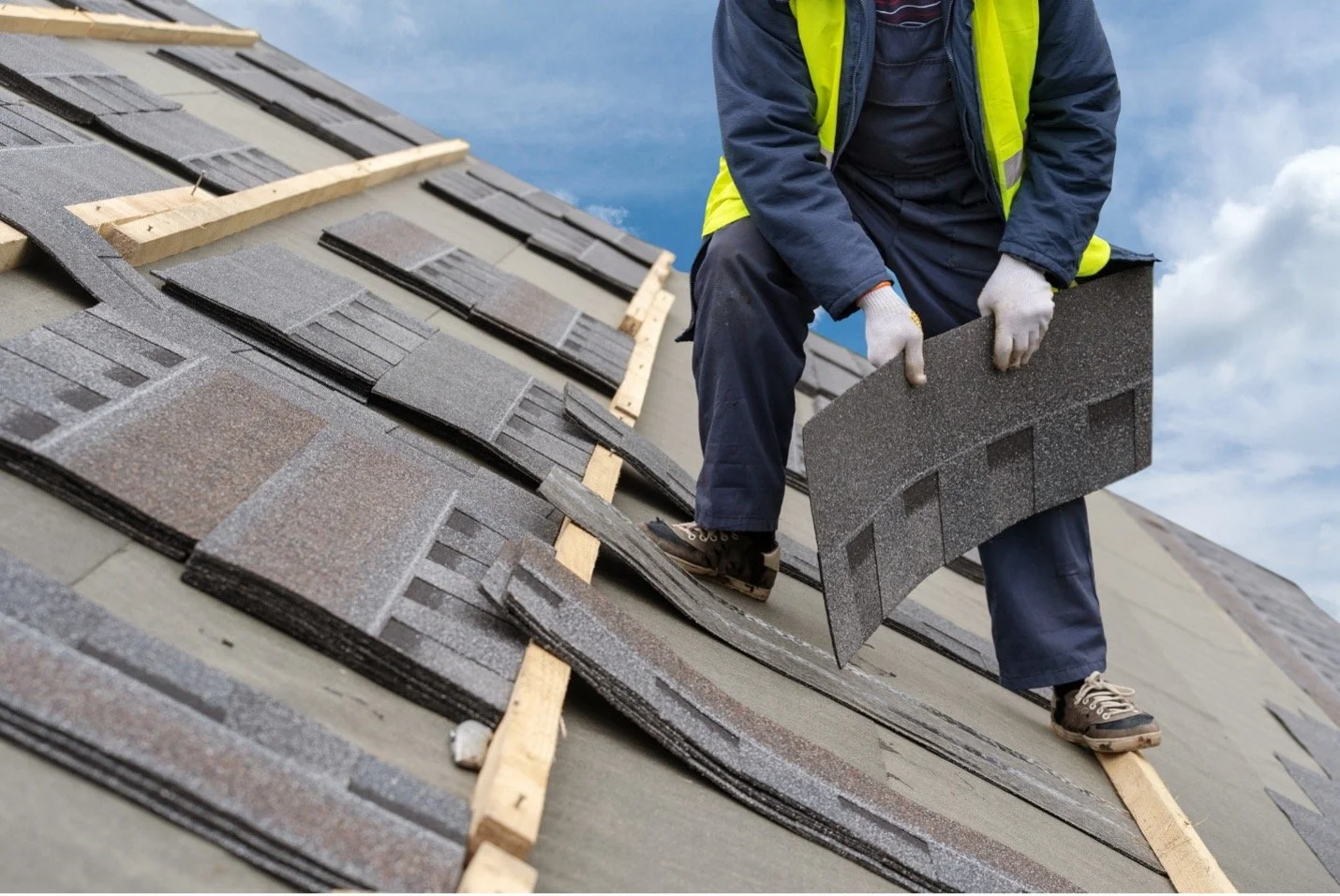
Roofing Business Broker in Florida: What Your Company Is Worth in 2026
You do not need perfect financials or a firm decision to sell before speaking with us. Sailfish Equity Advisors helps roofing business owners understand what their company may be worth, identify what could increase its value, and prepare for a confidential sale—whether you are ready now or still a few years away.


You Do Not Need Everything Figured Out to Start
Many roofing business owners contact us before their financials are fully organized or before they have decided exactly when they want to sell. That is normal.
We can help you understand where your business stands today, which records a buyer will eventually need, what may be holding back its value, and what steps could put you in a stronger position when the time is right.
A confidential conversation does not commit you to selling.
Why Buyers Are Looking for Established Roofing Businesses

A Reputation Buyers Cannot Replicate Overnight
Strong reviews, referral relationships, years of completed projects, manufacturer relationships, and a recognized local brand can make an established roofing company difficult for competitors to recreate.

Crews and Systems That Keep Projects Moving
Buyers value roofing companies with dependable crews, estimators, project managers, salespeople, subcontractor relationships, and documented systems that allow the business to operate beyond the owner.
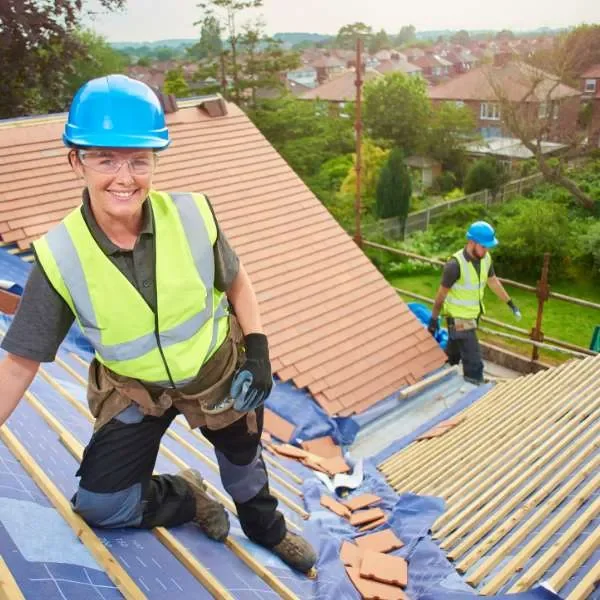
Financial Performance Buyers Can Verify
Clean financial records, accurate job costing, consistent margins, diversified lead sources, and a well-documented backlog give buyers greater confidence in the company’s future earnings.
Work With a Roofing Business Broker Who Understands Value
-

Discover What Your Roofing Company Is Worth
Your value is not based on revenue alone. We evaluate normalized earnings, backlog, service mix, margins, customer concentration, equipment, crew structure, owner involvement, reputation, and growth opportunities to establish a credible market position.
-

A Proven Process Built to Reach Closing
Sailfish manages the process from valuation and confidential marketing through buyer qualification, negotiations, due diligence, financing, and closing. You remain focused on operating the company while we focus on completing the transaction.
-

No Upfront Roofing Business Broker Fees
Our compensation is success-based. You do not pay a large upfront brokerage fee simply to bring your roofing business to market. Our interests remain aligned with yours throughout the sale.
Why Choose Sailfish as Your Roofing Business Broker?

Roofing businesses are not valued like ordinary service companies. Buyers examine backlog quality, revenue sources, crew capacity, subcontractor relationships, licenses, warranties, safety history, storm exposure, sales channels, job costing, and how dependent the company remains on its owner.
Sailfish Equity Advisors presents those details clearly, allowing qualified buyers to understand the complete opportunity rather than judging your roofing company solely by last year’s financial statements.
Roofing Industry Knowledge
We understand how residential and commercial work, retail and insurance revenue, repair and replacement services, maintenance agreements, labor structure, job costing, seasonality, and storm-related fluctuations can affect buyer confidence and business value.
Access to Qualified Roofing Business Buyers
We introduce your company to financially capable individual buyers, strategic roofing operators, construction groups, family offices, search funds, and private equity-backed platforms seeking established roofing businesses.
A Defensible Roofing Business Valuation
We recast your financials, identify legitimate add-backs, evaluate sustainable earnings, and document the strengths that make your company transferable. The result is a valuation position designed to withstand buyer, lender, and due-diligence scrutiny.
Confidential Marketing and Buyer Screening
Your company is marketed without publicly revealing its identity. Prospective buyers must sign a confidentiality agreement and demonstrate their qualifications before receiving sensitive financial, employee, customer, or operational information.
What Our Clients Say
Roofing Business Broker Insights for Florida Owners



Meet Your Florida Roofing Business Brokers
-

Rajiv Khatri
Managing Partner
-

Sarah Khatri
Managing Partner
-

Franklin Luke
Business Sales Advisor
How to Sell a Roofing Business in Florida in 2026
A profitable Florida roofing company generally sells for roughly 1.5x to 3.5x SDE at the owner-operator level, with steady retail replacement work valued well above storm-chased volume — and a roofing business broker in Florida exists to prove which of your dollars a buyer can actually count on. In a state where a single hurricane season can double a year's revenue and the next can flatten it, the number you get is decided less by your top line than by how much of your earnings a buyer believes will still be there in a calm year.
Sailfish Equity Advisors is a sell-side M&A and business brokerage practice based in Florida, and roofing is squarely in our wheelhouse. Working with owners statewide, we pin down a value that holds up, smooth a jumpy storm top line into earnings a buyer will believe, take the company to market under cover, put every prospect through qualification, and push the deal across the closing table — with all the groundwork laid well before any prospect sees whose company it is.
Roofing Consolidators Are Active in Florida — What's Your Roofing Company Worth?
Roofing has drawn heavy acquisition interest, and Florida is one of the busiest markets for it. Private-equity-backed platforms and larger regional roofers are consolidating residential and commercial roofing companies to build scale, buying power, and geographic density — and Florida's housing base, aging roofs, and steady storm demand make it a magnet for that capital. When a platform wants a foothold in a Florida metro, buying an established roofer beats building one from scratch.
For an owner, that interest is leverage only if you are ready. The first call usually comes with an offer built on the buyer's math, not yours — anchoring low on your storm years and treating your best revenue as a fluke. An owner who knows the company's defensible value, and can put more than one buyer in the room, negotiates from strength; one reacting to a single unsolicited number rarely does.
What a Roofing Buyer Underwrites Before an Offer
Ahead of any commitment, a buyer runs a checklist: cash flow normalized across storm and quiet years, the split among insurance, storm, and retail revenue, the workmanship-warranty tail, how deep the crew and superintendent roster goes, licensing, and how concentrated the book is among builders, adjusters, or property managers. Since the buyer is paying for the seasons ahead rather than the ones behind, both volatility and inherited liability get marked down hard.
In roofing, seller's discretionary earnings — SDE — is the number a lender ultimately sizes the loan against, but roofing complicates it. Start with what's left once materials, labor, and job costs clear, then add back the owner's compensation, the owner's vehicle, and the one-off or personal charges that exit with the owner. The wrinkle is timing: storm and insurance work can land as a wave of receivables in one year and almost nothing the next, so no underwriter credits a single blockbuster season at face value. They average several years into a defensible "normal" and set the multiple on that steadier figure.
The roofing companies buyers chase tend to share a profile: a solid slab of retail replacement and re-roof work that holds up with no storm in sight; earnings smoothed over several years instead of one outlier; a funded reserve and a paper trail standing behind open workmanship warranties; superintendents capable of running roofs without the owner overhead on each one; and three clean years of financials with the add-backs already documented.
What Florida Roofing Companies Sell For in 2026
Owner-operated service-and-trade businesses show up in published estimates at roughly 1.5x to 3.5x SDE, with roofing companies sitting in that band until size and revenue quality move them. Bigger earnings buy a bigger multiple. Published size-ladder figures generally run like this: near 2.5x to 3.5x for SDE in the $250,000-to-$500,000 zone, closer to 3x to 4.5x from $500,000 to $1 million, and — for companies large enough to trade on EBITDA, meaning about $1 million to $3 million — frequently in the 4.5x-to-6.5x neighborhood. As a trade, roofing is commonly quoted around 3x to 5x SDE.
Treat those as published ranges and estimates, not guarantees. Your real number is whatever financeable buyers will underwrite for your specific books — and in roofing the largest swing factor is revenue quality. A company built on steady retail replacement with a modest storm tailwind earns a fuller multiple than one whose earnings are mostly storm-driven, because a buyer can finance and lean on the former. The latter tends to draw a softer multiple, an earnout, or holdbacks pinned to how the calm years perform.
Keep two planning numbers in view — brokerage commissions on Main Street deals tend to run 8% to 12% of the price, and the road from prepared to closed generally spans 6 to 12 months.
Insurance, Storm, and Retail: The Revenue Mix Buyers Price
The revenue mix is where roofing valuations are won or lost — break your book into three buckets and a buyer will too. Retail replacement and re-roof work is the most valued: it recurs with the housing stock, is not weather-dependent, and carries steady margin. Storm and restoration revenue is real money but volatile and event-driven; buyers normalize it against multi-year averages rather than crediting a banner year in full. Insurance-driven work adds a wrinkle, because claim volume, carrier behavior, and Florida's shifting property-insurance landscape can move sharply year to year.
None of this means storm revenue is bad. It means a buyer prices it differently, and a prepared seller shows the mix clearly rather than letting a buyer assume the worst. If your book is heavily storm-weighted, documenting a larger base of retail replacement work over 12 to 18 months can change how a buyer models your future — and therefore your multiple. Predictable revenue is financeable revenue, and financeable revenue commands the higher number.
Warranties and Workmanship: The Liability That Follows the Sale
Here is a roofing-specific issue that surprises owners at diligence: the workmanship warranties you have written do not end at closing. A buyer inherits the obligation to honor callbacks on roofs you installed, sometimes for years, and prices that liability into the deal. A long, generous warranty with no reserve behind it and no callback history reads as an open-ended cost the buyer must absorb.
The fix is documentation and reserves, not silence. Track your callback and warranty-claim rates, show the reserve or historical cost of honoring warranties, and separate manufacturer material warranties (which travel with the product) from your own labor warranties (which travel with the company). When a buyer sees that your warranty exposure is small, funded, and well-managed, it becomes a footnote. When it is undefined, they assume the worst and discount accordingly — or hold back part of the price until the exposure ages out.
The Florida Roofing License and How It Transfers
Florida licenses roofing contractors under the Construction Industry Licensing Board (CILB), part of Chapter 489 and run by the Department of Business and Professional Regulation (myfloridalicense.com). As a Certified contractor a roofer can work across the whole state; as a Registered contractor the license is tested locally and confined to the jurisdiction that granted it. The business itself contracts and pulls roofing permits through a licensed qualifying agent — the individual who qualifies the company.
When you hold the qualifier role, what the buyer wants to know first is who fills it after your exit. A platform tends to bring its own; an individual buyer might keep you on as qualifying agent through a transition or lean on a licensed employee poised to take over. The buyer and lender will verify that the license path, plus any open permits, carry over without a hitch. Settle it ahead of the market and it lands as a line in the transition plan instead of a last-second snag.
Selling a Roofing Company Without the Crews Scattering
Tally what a leak costs a roofing company and confidentiality stops looking optional. Your superintendents and crews are the company's capacity to deliver, and in a labor market this tight a rumor can scatter them across town. Let the word slip early and your key people start returning recruiter calls, your subs get jittery about future work, and competitors weaponize the uncertainty in front of your customers and adjusters — three separate bills coming due at once.
A quiet process keeps that bill from ever arriving. Marketing goes out as a blind profile — the trade, a general territory, revenue, normalized SDE, and the revenue mix — with nothing that fingers the company. The name stays sealed until a prospect has signed a non-disclosure agreement, and the tender material — adjuster and customer relationships, pricing, crew rosters, warranty history — is metered out in stages to buyers who have already shown they can close. Your people hear the news from you with the deal all but finished, not from chatter on a job site.
Separating Real Buyers From Storm-Chasers at the Table
Roofing pulls in opportunists — some angling for a peek at your pricing, your adjuster contacts, or your crews far more than they intend to buy. So the process qualifies before it reveals anything: cash on hand or a lender behind them, genuine operating history, a firm timeline, and proof they can actually reach a close.
Roofing usually attracts three buyer types, and running them side by side builds the competition that lifts price:
● Regional consolidators and strategic platforms, paying up for scale, geographic density, and dependable replacement revenue
● Searchers and owner-operators, licensed or backed by investors, hunting a turnkey company that already has its crews
● Contractors in adjacent trades moving into roofing, who warrant extra caution on the confidentiality front
Anyone who can't show the money and the ability to close has no business getting the access a vetted buyer earns — and your customer, adjuster, and pricing detail stay locked until a deal is unmistakably real.
How Sailfish Turns Storm Revenue Into a Number Buyers Trust
The tough part of selling a roofing company is converting a lumpy top line into an earnings number a lender will finance — and we do that heavy lifting before any buyer calls. It starts with a confidential, buyer-backed valuation: your financials get recast into a defensible SDE, storm and insurance revenue gets normalized against several years of performance, the add-back schedule gets built to survive a buyer's review, and your warranty exposure gets documented until it reads as a known quantity rather than an open question.
Twenty-five-plus years in and better than a thousand Florida owners later — and with no fees until the closing wire lands — we list the company blind, test every buyer's ability to close, and orchestrate a competitive process so your retail base and your storm upside both get fair credit. The CILB qualifier question, open permits, and warranty tails get mapped early, so the handoff is resolved before it can stall a deal. One lesson repeats across Florida roofing deals: buyers pay with conviction for revenue they can forecast, and our job is to make yours impossible to overlook.
Preparing a Roofing Business for a Clean Exit
A clean roofing exit takes months to assemble. Give yourself close to a year and move through it in order. Pull personal spending out of the business and clean the books so your normalized SDE stands up. Build and document the retail-replacement base until your earnings no longer read as storm-dependent. Fund a reserve and keep a paper trail behind every workmanship warranty. Set superintendents between you and daily production, because the buyer's rule is plain — a company that still runs on the owner's cell phone gets discounted. Look hard at concentration: once a single builder, adjuster, or property-management account crosses 20% to 30% of revenue, buyers grow wary. Straighten out the qualifier and the licensing path. Then get a buyer-backed valuation and decide from the data whether to sell now or bank another year of proof. None of it demands heroics — only starting before circumstances force you, because a roofing company kept ready to sell is also the steadier, more valuable one to run while you make up your mind.
Selling a Roofing Business in Florida: FAQ
How much is my Florida roofing business worth?
Owner-run roofing companies usually change hands around 1.5x to 3.5x SDE, with the larger and steadier ones fetching more and, beyond a certain size, being priced on EBITDA. Revenue quality is the biggest swing factor: steady retail-replacement work commands a fuller multiple, while storm-driven revenue gets normalized against multi-year averages and priced more conservatively.
How do buyers value storm and insurance revenue?
Buyers rarely credit a single big storm year in full. They average earnings across storm and calm years to find a defensible "normal," then apply a multiple to that figure. Documenting a strong retail-replacement base alongside your storm work is what convinces a buyer your earnings will hold up in a quiet year.
What happens to my workmanship warranties when I sell?
They follow the company. A buyer inherits the obligation to honor callbacks on roofs you installed and prices that liability into the deal. Tracking your callback rates, funding a reserve, and separating your labor warranties from manufacturer material warranties keeps this from becoming a discount or a holdback.
Does my Florida roofing license automatically transfer to the buyer?
No, it doesn't move on its own. Florida roofing contractors license through the CILB under Chapter 489, and the company holds its contracting right through a licensed qualifying agent. That leaves a buyer three paths: supply their own qualifier, keep a licensed employee on staff, or retain you as qualifier across a transition. Handle it before you list and it won't stall the closing.
How long does it take to sell a roofing company in Florida?
Figure on about 6 to 12 months from prep through closing, with storm-heavy or larger companies running longer because the earnings need careful normalizing. Buyers will ask for three years of statements, documented warranty exposure, and a clean license path. The work you finish before listing is usually what compresses the diligence phase.
How does a roofing business broker in Florida help owners sell?
A roofing business broker in Florida establishes a buyer-backed valuation, smooths volatile storm revenue, brings the company to market discreetly, vets buyers for real closing ability, and steers the deal to funding. Sailfish layers on north of 25 years in the field, over a thousand Florida owners guided, and zero upfront cost — payment comes only at closing — while getting the license and warranty questions mapped early.
Find Out What Your Roofing Company Can Sell For
With roofing platforms already acquiring in your market, the weakest spot to stand is hearing your company's worth for the first time inside a buyer's opening number. Open with a confidential, buyer-backed valuation from a roofing business broker in Florida — see how much a Florida roofing company can command, learn which buyers would fight over your book, and enter the market on terms you set. Get in touch with Sailfish Equity Advisors to start a confidential conversation.