Own What’s Next — Sell Your Business the Right Way
Freedom, success, and peace of mind start with the right exit strategy.
Construction Company Exit Planning
The difference between a 2x exit and a 3x exit isn’t found at the closing table — it’s built in the two or three years before it. This is the construction company exit planning audit: five fixes, each tied to how it moves your multiple, plus the one step to take immediately even if selling is years away.

How Long Does It Take to Sell a Construction Business?
Most business sales take 6 to 12 months from market to close — and construction deals carry four extra clocks most owners don’t see coming: license transition, surety underwriting, WIP review, and SBA financing. Here’s the phase-by-phase timeline, what stretches it, what you control, and how preparation compresses the whole thing.

Selling a General Contracting Business
General contracting is the hardest trades business to sell — not because GCs aren’t valuable, but because so much of the value lives in relationships, reputation, and revenue that resets to zero every year. This is the buyer’s-eye breakdown: what gets funded, what gets discounted, and what separates a sellable GC from an unsellable one.
Selling a Janitorial Business?
Janitorial doesn’t look glamorous on a brochure — and that’s exactly why it sells. Contract cleaning is the purest recurring revenue in the trades, the easiest service business to finance, and a magnet for first-time buyers and search funds. Here’s how to sell a janitorial business for what the contracts are really worth.

How to Sell Your Restoration Business
Restoration companies attract some of the strongest buyer demand in the trades — but TPA concentration and slow carrier receivables can quietly cut your price. Here’s the playbook for selling a restoration business: what your dispatch operation, certifications, and referral mix are worth, and how to get paid for all of it.

Selling a Landscaping Business? Buyers Pay for Contracts, Crews, and Repeat Revenue
Buyers don’t buy mowing — they buy the contract book. The spread between a discounted install-only exit and a top-of-range sale comes down to maintenance mix, multi-year commercial and HOA contracts, route density, and crews that stay. Here’s how each one prices, and how to fix the ones working against you.

Sell My Concrete Business: How to Get Paid for Your Fleet, Crew, & Repeat Work
Concrete contractors usually price their company by adding up the iron. Buyers price it by the cash flow the iron produces — and the difference between those two views decides whether your deal closes. Equipment treatment, WIP discipline, customer concentration, and negotiated work, explained the way buyers see them.
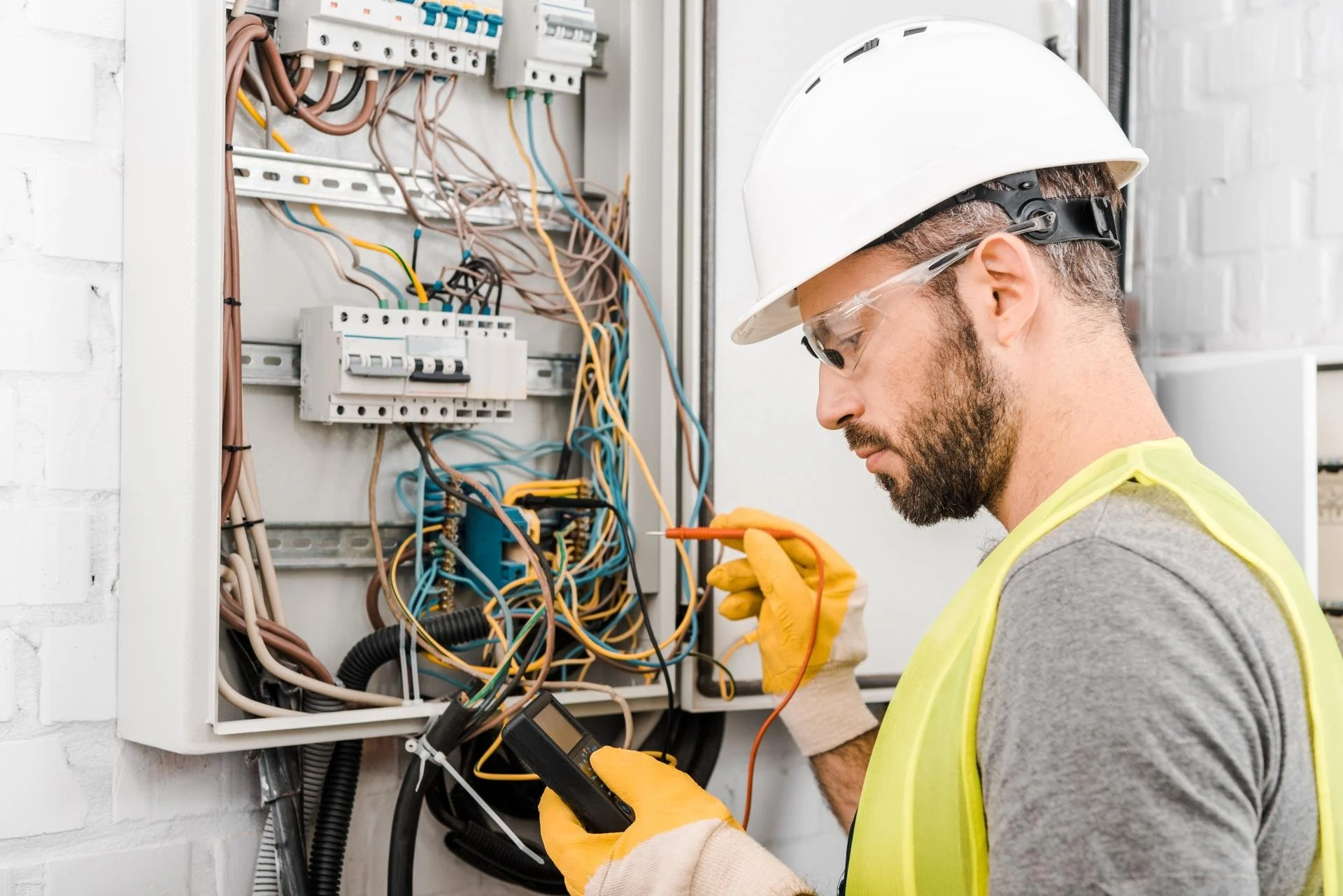
Sell My Electrical Business: Fix the License Problem Before Buyers Find It
The most common deal-killer in electrical contractor sales isn’t price — it’s the master license sitting in the owner’s name. Here’s how to make your electrical business transferable, what buyers pay for service contracts and prequalification, and why the demand tailwind is on your side.

Sell My Plumbing Business: What Buyers Pay and Why Valuations Keep Climbing
Plumbing businesses are selling for more than they ever have — but the spread between a 1.7x exit and a 3.2x exit is wide, and it’s built years before the sale. Service mix, membership programs, licensed bench depth, and your dispatch data decide which one you get.

Sell My Roofing Business: How to Exit While Buyers Are Still Paying Premium Prices
Private equity platforms have multiplied across roofing, and they’re paying real money — for the right companies. Here’s how buyers separate repeatable revenue from storm spikes, what happens to your warranty tail, and how to sell your roofing business while the consolidation wave is still building.

Seller Financing and Earnouts When Selling a Construction Business: Why All Cash Offers Are Rarer Than You Think
Almost nobody gets 100% cash at close — especially in construction, where WIP and backlog uncertainty practically invite deal structure. This field guide covers seller notes, earnouts, and transition compensation in contractor deals: how each works, where sellers get burned, and the protections that turn paper into actual money.

Selling Your Construction Business to a Competitor? 7 Mistakes That Can Cost You
Your competitor might be your best buyer — they already understand what you’ve built and can pay for what they can’t replicate. They’re also the one buyer who profits from the conversation even if the deal dies. Here are the five mistakes contractors make selling to a competitor, and the staged-disclosure process that prevents every one of them.
Should You Sell Your Construction Company or Create an ESOP?
Construction is one of the biggest ESOP industries in the country, and the pitch is compelling — legacy, tax advantages, employee ownership. But ESOPs carry costs and constraints the brochures skip. Here’s an honest side-by-side against a third-party sale, and a framework for deciding which exit actually fits you.

Private Equity Is Buying Construction Companies: What Owners Need to Know Before Selling
Nearly half the buyers in construction M&A are now private equity groups running a roll-up playbook. This field guide explains how platforms and add-ons actually work, why PE pays more for management depth and recurring revenue, and why answering that unsolicited call without competition is the most expensive mistake an owner can make.

Who Buys Construction Companies? The 3 Buyer Types Owners Should Know Before Selling
Three very different groups buy construction companies, and they don’t pay the same way or dig the same way in due diligence. Here’s how individual SBA buyers, strategic acquirers, and private equity groups each value a contractor — and how to figure out which pool your company is actually built for.

What Buyers Look For in a Construction Company: 7 Things to Fix Before You Sell
Buyers evaluate a construction company through a remarkably consistent lens: can the cash flow survive the owner’s exit? This 7-point self-audit walks the exact checklist buyers run — financials and WIP, customer concentration, owner dependence, crew stability, safety record, equipment condition, and pipeline quality — so you can grade your company before a buyer does it for you.

Taxes When Selling a Construction Business: What Owners Need to Know Before They Exit
The sale price is not the number that matters — the after-tax wire is. For equipment-heavy construction companies, depreciation recapture, purchase price allocation, and structure decisions made (or skipped) before listing can swing what you keep by six figures. Here are the five tax mistakes contractors make on the way out, and when to get your CPA involved.

Construction Business Sale Structures: Asset Sale vs. Stock Sale Explained for Owners
Buyers default to asset sales. Sellers prefer stock sales. In most industries that tug-of-war is about taxes and liability — but in construction, licenses, bonding, and contract continuity can flip the logic entirely. Here’s how the structure decision actually works, and how to use it as a negotiating lever instead of a concession.
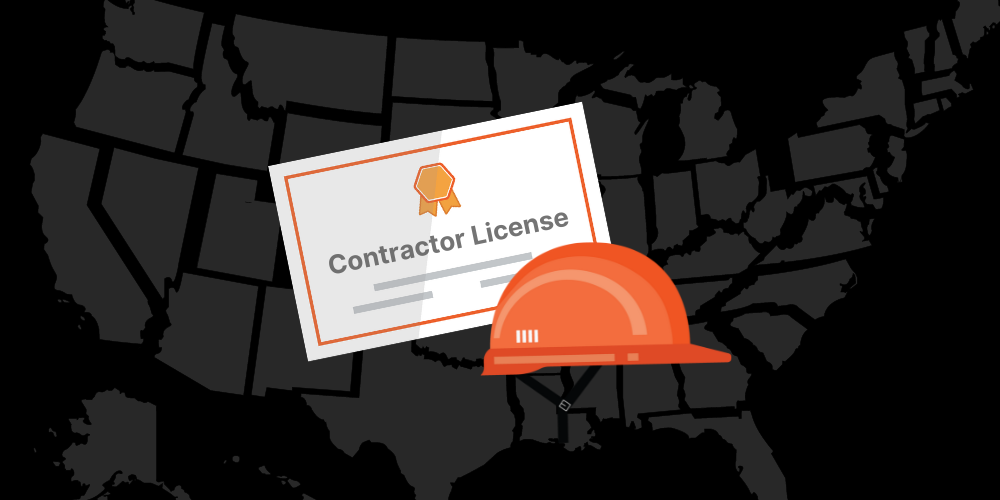
Can You Transfer a Contractor License When Selling a Construction Business? 3 Ways to Keep the Deal Alive
: In most states, a contractor license attaches to a person, not the company — so it doesn’t ride along when you sell. This playbook covers the three transition paths every deal uses, walks Florida’s qualifying agent rules as the worked example, and explains why unprepared license transitions quietly kill contractor sales.

Selling a Construction Company With Surety Bonds: What Buyers Actually Care About
Surety bonds don’t follow the company when you sell — they were underwritten to you. This field guide covers what happens to bonded jobs that are still running at closing, what sureties want to see in a buyer, and why raising bonding in month one protects your price instead of shrinking it.
Our Leadership Team
-

Rajiv Khatri
Managing Partner
-

Sarah Khatri
Managing Partner
-

Dr. Franklin Luke
Business Sales Advisor
Our Focus Areas
Ready to Maximize Your Business Sale?
Get Sellers Success: The Ultimate Guide to Selling for Success—FREE!
Discover the proven strategies and insider tips that have helped business owners like you scale, position, and sell their businesses for maximum value. Backed by 25 years of business broker expertise, this guide is your step-by-step roadmap to achieving the outcome you deserve.
By clicking "Download Your Book," you are acknowledging that we may contact you via email and other methods to provide you with our book Selling Success. As Florida Business Brokers, we ensure you have all the tools you need to sell your business successfully.
What Our Clients Say - 1,000+ Businesses Sold
Florida Business Broker and M&A Advisor: Why Choosing the Right Partner Makes All the Difference
If you're a Florida business owner thinking about selling your company, buying a business, or planning your next big move, there's one partnership that will define your success: the Florida business broker and M&A advisor you choose to work with.
As someone who has built, scaled, and sold multiple businesses, I (Neil Patel-style) get it: you’ve poured your life into this. And if you’re like most entrepreneurs, you're asking yourself:
How much is my business worth?
Is now the right time to sell?
Can I find a serious buyer without alerting my staff?
Who can I trust to guide me through this?
Let’s unpack the answers and show you how the right Florida business broker and M&A advisor—like Sailfish Equity Advisors—can turn complexity into clarity.
What Does a Florida Business Broker and M&A Advisor Actually Do?
First things first: what’s the difference between a business broker and an M&A advisor?
A business broker typically helps small to mid-sized businesses ("main street") find buyers, manage the transaction, and close deals under $5M.
An M&A advisor works with lower middle-market businesses—typically $5M to $50M in revenue—focusing on strategy, valuation, negotiation, and often bringing in private equity or strategic buyers.
Sailfish Equity Advisors does both. Whether you’re a solo founder or running a company with a team of 50+, their team is uniquely equipped to guide you.
Why Business Owners in Florida Are Selling Right Now
Florida is hot—and I’m not just talking about the weather. The state is experiencing:
Massive migration from high-tax states
Booming construction and healthcare sectors
High demand from national and international buyers
If you’ve asked, “Should I sell my business in Florida now?” the answer might be yes. But timing isn’t everything. Preparation, positioning, and having the right M&A advisor make all the difference.
Signs You’re Ready to Sell (Even If You’re Not Sure)
Here’s the reality: most business owners wait too long to prepare. Don’t be that person.
You might be ready to start the conversation if:
Your business is doing well but you’re feeling burned out
You want to retire, reinvest, or start a new venture
You’ve been approached by a competitor or investor
You’re curious what your company is actually worth
A good Florida business broker will offer a free valuation (yes, like Sailfish does) to get you started.
How Sailfish Equity Advisors Helps You Win
1. 25+ Years of Real-World Experience
This isn’t theory. Sailfish’s founders have bought, scaled, and sold businesses themselves. They’ve been in your shoes and know how to guide you through it.
2. Over 1,000 Deals Closed
From $500K main street companies to $10M+ healthcare firms, they’ve done it. That experience gives you leverage.
3. Florida Market Mastery
Whether you’re in Miami, Orlando, Tampa, Pensacola, or Jacksonville, they understand the local buyer landscape, industry trends, and deal dynamics.
4. 100% Success-Based Fees
You pay nothing upfront. Sailfish only gets paid when your deal closes. That’s alignment.
5. Confidentiality You Can Count On
Worried about employees, customers, or competitors finding out? Sailfish runs a white-glove, confidential process that protects your reputation and peace of mind.
What About Buyers? This Applies to You, Too.
If you’re looking to buy a business in Florida, Sailfish also represents buyers. They’ll help you:
Identify off-market opportunities
Evaluate deals with clean financials
Navigate negotiations and due diligence
Get funding or SBA financing support
Buyers love working with M&A advisors in South Florida who can streamline deals and avoid rookie mistakes.
Common Mistakes to Avoid When Choosing a Business Broker
I’ve seen this too many times:
Choosing a generalist who doesn’t know your industry
Picking a broker who lists your business and ghosts you
Working with someone who charges upfront without a plan
Avoid these by asking:
How many deals like mine have you done?
How do you market confidentially?
What’s your average closing time?
Who are your buyers?
With Sailfish Equity Advisors, you get real answers—and real results.
Final Thoughts: Don’t Just Sell. Sell Strategically.
Whether you’re ready now or just exploring your options, the right partner changes everything. The sale of your business isn’t just a transaction—it’s your legacy.
Sailfish Equity Advisors is the trusted Florida business broker and M&A advisor that helps you:
Maximize value
Protect your legacy
Exit on your terms
Schedule a free valuation with Sailfish today. Let’s find out what your business is worth—and build the strategy to sell it the right way.
Sailfish Equity Advisors — Trusted by Florida business owners for over 25 years.
Florida Business Broker: How to Sell Your Company the Right Way
Selling a business is one of the most important financial and emotional decisions you'll ever make. And in a state as dynamic and diverse as Florida, choosing the right partner to guide that sale can mean the difference between walking away with peace of mind or walking into a deal you regret. That's where a Florida business broker comes in—especially one with a proven track record like Sailfish Equity Advisors.
Whether you're in Naples, Orlando, Fort Lauderdale, or anywhere in the Sunshine State, this guide will help you understand the step-by-step process of selling your business, why working with a seasoned Florida business broker matters, and how to exit with clarity, confidence, and maximum value.
What Does a Florida Business Broker Actually Do?
A Florida business broker serves as your advocate, negotiator, strategist, and deal closer. They're not just a middleman—they're a business matchmaker, guiding you through every phase of the sale:
Valuation: Determining what your business is really worth based on SDE, EBITDA, industry comps, and buyer demand.
Preparation: Helping you organize financials, normalize earnings (add-backs), and prepare a clean, compelling package.
Marketing: Confidentially marketing your business to qualified buyers across private equity, strategic, and individual pools.
Negotiation: Protecting your interest while negotiating price, terms, and post-sale conditions.
Due Diligence & Closing: Managing document flow, buyer requests, deal timelines, and legal checkpoints until funds hit your account.
A good Florida business broker removes friction, uncertainty, and wasted time from the process.
Signs You're Ready to Sell (Even If You Don't Feel Ready)
Many owners wait too long. They hold on because they think:
"I'm not ready yet."
"The timing isn't perfect."
"My books aren’t clean enough."
"I don't want to let my team down."
But here’s the truth: Buyers want a business that can run without you. And often, your business is worth more today than it might be tomorrow. Market demand, tax structures, interest rates, and buyer confidence all change.
If you're burnt out, planning retirement, or simply want to explore your options, the best time to start is now. You don’t need to commit—you just need to start the conversation.
How Much Is Your Florida Business Worth?
The biggest myth in the market? That businesses are worth "3x revenue" or some other arbitrary rule of thumb.
In reality, buyers look at:
Seller’s Discretionary Earnings (SDE)
Recurring vs. one-time revenue
Owner dependency
Systems and team in place
Growth potential
Industry risk profile
A strategic Florida business broker knows how to position your company to highlight its strengths and mitigate its weaknesses. At Sailfish, we provide detailed valuations and buyer-ready reports that show how to justify top-dollar pricing.
The Step-by-Step Process of Selling a Business in Florida
Here’s what selling your business really looks like when you work with a trusted Florida business broker like Sailfish:
1. Confidential Consultation
We start with a low-pressure, confidential call to understand your goals, timeline, and concerns.
2. Valuation & Exit Strategy
We review your financials and provide a custom valuation range. We also advise you on what improvements (if any) could increase your sale price.
3. Packaging & Prep
We craft a confidential information memorandum (CIM), identify add-backs, and clean up red flags.
4. Buyer Outreach
Using our private network of vetted buyers, we market your business confidentially—without listing sites that leak your identity.
5. Qualifying Buyers
We filter tire-kickers, push for proof of funds or lender pre-approvals, and only bring you serious buyers.
6. Negotiation & Offers
We present offers, explain terms, and lead negotiations to protect your valuation and future.
7. Due Diligence & Closing
We quarterback the legal, financial, and logistical steps to get the deal across the finish line.
8. Transition Support
We help structure post-sale transition periods, employment agreements (if needed), and ensure your legacy and team are protected.
Why Working With the Right Business Broker Changes Everything
Not all brokers are created equal. Here’s what sets Sailfish Equity Advisors apart as your go-to Florida business broker:
25+ years of experience
Over 1,000 deals closed across Florida
Local insight + national buyer reach
Transparent communication
Strategic deal structuring to reduce taxes and increase payout
We’re not just brokers. We’re entrepreneurs. We’ve built, scaled, and sold our own businesses. We know what’s on the line—and we treat every sale like it’s our own.
FAQ: Selling a Business in Florida
Q: Do I need perfect books to sell my Florida business?
A: No. Most small business owners have imperfect financials. A skilled broker will clean up the numbers, create add-back schedules, and present your true earnings clearly to buyers.
Q: How long does it take to sell a business in Florida?
A: It depends on the business, but 6–12 months is typical. With strong buyer demand and good preparation, we often close within 90–120 days.
Q: What industries are selling well right now?
A: Home services, HVAC, construction, digital marketing, professional services, and niche manufacturing are all in high demand across Florida.
Q: Can I stay involved after the sale?
A: Absolutely. Some sellers stay on as consultants or employees to help with transition—and some buyers require it for SBA financing. We help you navigate what works best for your lifestyle.
Q: What is my Florida business actually worth?
A: That depends on your SDE, growth, team, and industry. Most small businesses sell for 2.5x–4.5x SDE, but multiples can go higher with recurring revenue, scale, and clean operations.
Q: What if I’m not ready yet?
A: Then we start planning. Even if your exit is 1–3 years out, a great broker will help you increase value in the meantime.
Why Choose Sailfish Equity Advisors as Your Florida Business Broker
You only sell your business once. Make it count.
At Sailfish Equity Advisors, we help Florida business owners exit confidently, profitably, and with purpose. From Naples to Jacksonville, Miami to Tampa, our team delivers high-touch service, confidential representation, and real-world results.
If you're thinking about selling—whether now or 3 years from now—we're the partner who will help you do it right.
Book a confidential valuation today.