
How Long Does It Take to Sell a Business in Miami?
What Can Speed Up—or Slow Down—a Miami Business Sale
Miami sale timing depends on clean financials, a supportable price, buyer competition, diligence readiness, lease terms, and financing. To assess the timeline your business is likely to face, schedule a confidential exit-planning conversation.





Thinking About Selling Your Business?
Find Out What Your Business is Worth!
25+ Years of Success: Exclusive Buyers. Maximum Value. Zero Upfront Fees.
- ✓92% Success Rate – Proven expertise in closing efficiently.
- ✓Sell in as Fast as 90 Days – A streamlined, efficient process.
- ✓100% Confidential Sales – Protecting your business.
- ✓Multiple Competitive Offers – Serious buyers waiting.

Why Miami Business Owners Choose Sailfish Equity Advisors
Local Insight. Statewide Reach.
Deep command of Miami’s fast moving market, powered by a Florida wide buyer network that creates real competition.
1,000 Plus Exits. Zero Guesswork.
Documented results for Florida founders with premium outcomes delivered through a repeatable playbook.
Built for Confidentiality.
A discreet, hands on process that protects your brand, your team, and your timeline from first teaser to closing.
Real World Operators.
We have owned, scaled, and sold companies, so we prepare and negotiate like owners.
Buyers Who Close.
Not leads. Qualified acquirers with funding and fit who move from interest to LOI to wire.
Mission Driven. Owner Focused.
Every sale is personal. Your legacy matters, and so does the next chapter you are building.
1,000+ Florida Business Owners Trust Us
Real stories from owners who sold, scaled, and succeeded with Sailfish.
Now is the Perfect Time to Sell Your Business in Miami, Florida:




Most Miami Owners Guess Three Months. The Honest Number Is Closer to a Year.
Most Miami businesses take about six to twelve months to sell, measured from the first serious valuation to the closing wire — and deals that draw an international or cross-border buyer often land at the longer end of that window. Think of it as three roughly equal phases: getting ready, finding a qualified buyer, and surviving diligence to close. Rush the first phase and you pay for it in the third.
Sailfish Equity Advisors works as a Florida sell-side M&A and business-brokerage practice, guiding Miami-Dade owners — the Brickell professional-services partner, the Doral importer moving containers through PortMiami, the Hialeah production shop, the Coral Gables practice, the Miami Beach hospitality operator — through pricing, readiness, quiet outreach, and a closed sale. Everything runs on a single spine: an earnings figure a lender will stand behind, buyers vetted before they see anything sensitive, a private go-to-market, and a plan drawn up well ahead of the first listing view. The clock below assumes that spadework is finished. Leave it undone and each figure here drifts longer.
Most Miami Owners Guess Three Months. The Honest Number Is Closer to a Year.
Owners tend to time the sale from the day they decide to list. Buyers and lenders time it from something else entirely: the day the business can prove, on paper, that its earnings are real and will survive the handoff. The gap between those two start dates is where most of the surprise lives.
The six-to-twelve-month range published across the brokerage industry is a preparation-to-close estimate, not a listing-to-offer one. A clean, well-documented Miami business with recurring revenue and a manager in place can move through it in half a year. An owner-run company with commingled books, one giant customer, and a lease nobody has read in a decade can take eighteen months — or stall out and come back to market a year later with a scar on it.
The Five Phases of a Miami Sale, and Where the Weeks Go
Here is the real sequence, with honest ranges. Two deals never run identically, but the shape holds.
Phase 1 — Valuation and preparation (4 to 12 weeks). You recast the financials into a defensible number, build the add-back schedule, and fix the obvious value leaks before a buyer ever sees them. This is the phase owners most want to skip and most regret skipping. A business that walks into the market already answering a buyer's questions sells faster and for more.
Phase 2 — Going to market and finding qualified buyers (6 to 16 weeks). A blind profile goes out, non-disclosure agreements come back, and screened buyers start conversations. In Miami this phase can run wide, because the field of interested parties spans hometown operators, relocating search funds, private-equity platforms shopping from out of state, and overseas acquirers who treat the city as their landing point into the American market. More reach is good for price; it can add a few weeks to coordinate.
Phase 3 — Offers and negotiation (2 to 6 weeks). Serious buyers submit letters of intent. You compare not just price but structure — cash at close, seller financing, earnouts, transition terms — and pick the one most likely to actually close, not just the biggest headline number.
Phase 4 — Due diligence (4 to 10 weeks). The acquirer's advisors test every claim — thirty-six months of statements matched to filed returns, signed agreements, permits and registrations, the premises lease, and the roster of staff and accounts. Buyers routinely expect three full years of clean books, and any gap here is where weeks disappear. International buyers add layers — entity formation, cross-border financing, sometimes visa or immigration counsel — which is why their diligence runs longer than a local operator's.
Phase 5 — Closing (2 to 5 weeks). Purchase agreement, financing final approval, license and lease transfers, and the funds move. If the buyer is using an SBA 7(a) loan, this phase carries its own underwriting clock.
Add the middle of each range and you land right in that six-to-twelve-month corridor. Add the top of each range — which happens when preparation was thin — and you are past a year.
Why a Cross-Border Buyer's Diligence Runs Longer Than a Local's
Few American cities let a mid-market company realistically draw an acquirer flying in from São Paulo, Bogotá, or Madrid — but the PortMiami and MIA trade corridors turn this one into Latin America's corporate lobby, and no small amount of foreign capital is hunting for a U.S. platform to buy. That reach is a gift to your price. It is also a reason to build in time.
An international buyer often has to stand up a U.S. entity, arrange financing that crosses a border, and run legal and tax review in two jurisdictions. Their advisors ask questions a local operator would never think to ask, and answers travel through time zones and, sometimes, translation. None of it is a problem when you plan for it. It becomes a problem when a seller assumed a ninety-day close and did not have documents ready in a form an overseas team could verify. Preparation is the equalizer: a clean data room shortens a cross-border diligence more than anything else you can do.
The Miami Deals That Close on the Short End
Some businesses move fast, and the reasons are consistent. Recurring revenue tops the list — a book of contracts, memberships, or service agreements reads as an annuity and finances cleanly. So does a business that does not depend on the owner. If the phones ring for you personally, if the key accounts are your relationships and your cell number, a buyer sees a job wearing the costume of a company, and they discount it — or slow down to protect against it. If the business needs your cell phone to run, that dependence shows up as either a lower price or a longer earnout, and both stretch the calendar.
Clean, separated financials close fast because they survive verification without drama. So does reasonable customer concentration: keep any one account under roughly a fifth to a third of the top line and a buyer's lender exhales. A trained manager, a documented process, a lease with real runway left, and licenses that transfer without a fight — every one of those shaves weeks off the back half of the deal.
What Stalls a Miami Sale in the Diligence Room
Deals rarely die at the offer. They die in diligence, when what the buyer finds does not match what the seller said. The usual culprits: personal expenses mixed into the business so SDE cannot be verified; add-backs nobody can document; one customer quietly carrying a third of revenue; a handshake lease with no assignment clause; a licensing question no one answered before listing.
Each of these turns a two-week task into a six-week negotiation, and every renegotiation invites the buyer to chip the price. The fix is unglamorous and entirely within your control: assemble the file before you go to market, not after a buyer asks. A question answered in advance is a week you never lose.
License Transfers and Lease Assignments — Miami's Quiet Clock-Killers
Two pieces of Florida friction add weeks more often than anything financial. First, licensing. Depending on the trade, a Miami business may run under a state professional or contractor license, a certified operator, or a local Miami-Dade certificate of use and occupational registration. If the qualifying license lives with you, the buyer needs a plan — their own qualifier, a retained employee, or a transition period with you attached — and sorting that mid-deal costs time.
Second, the lease. A huge share of Miami businesses — a Brickell suite, a Doral warehouse, a Wynwood storefront, a Miami Beach restaurant space — sit on leases that require landlord consent to assign. Landlords move on their own schedule, and a strong lease with years remaining is itself a value driver. Read the assignment clause early. A landlord who wants to renegotiate the whole lease when they smell a sale can add a month you did not budget for.
What Your SDE Has to Do With How Fast You Sell
Seller's discretionary earnings is not a bookkeeping formality — it is the true annual take-home the company generates after covering its genuine operating costs, but ahead of the owner's wage, the car, the cellphone, and the other personal line items that walk out the door alongside the seller. That number does two jobs at once. It sets your price, and it sets your speed.
A defensible SDE that a buyer's lender can underwrite the first time keeps the deal moving. A soft one — inflated by add-backs you cannot prove — invites challenge, and every challenge is a delay. This is why valuation is the first phase, not an afterthought: the cleaner the earnings story, the shorter the diligence, and the faster the money lands where it belongs, which is with you.
How Sailfish Keeps a Miami Deal From Drifting
A sale drifts when nobody is driving it. Our job is to drive it. Sailfish Equity Advisors starts with a confidential, buyer-backed valuation and a preparation plan, so the business enters the market already answering the questions that stall other deals. We take it out blind, screen buyers for real financial capacity before they see anything sensitive, and run the process on a schedule instead of waiting for the phone to ring.
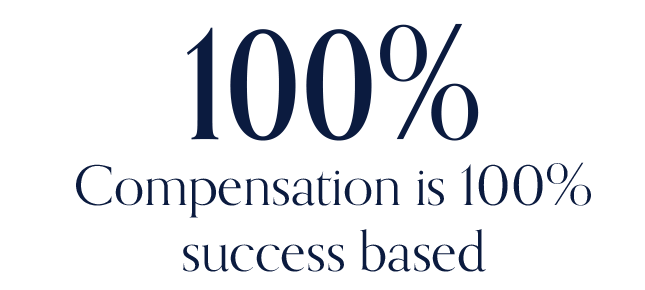
Across a quarter-century-plus of transactions, more than a thousand Florida sellers guided to the table, and zero charges until settlement — our pay arrives only at the wire — we own the messy middle where owners bleed the most calendar: holding diligence to a tight line, shepherding an overseas buyer's cross-border checklist, and clearing permit and lease questions before either can drag out a close. Momentum is a strategy. We treat it like one.
Working Backward From a Closing Date
If you need to be out by a specific date — a lease decision, a health reason, a partner buyout, a tax year — do not start counting from "when I list." Start from the closing you want and subtract. Give the sale nine to twelve months if the business needs preparation, six if it is already clean and documented. Add a cushion if an international buyer is likely, because their diligence runs long.
The owners who hit their date are the ones who began a year early, got a real valuation, fixed what the number exposed, and went to market prepared. The ones who miss it are the ones who waited until they were done being an owner to find out what being a seller requires.
How Long to Sell a Business in Miami FAQ
How long does it take to sell a business in Miami?
Most Miami-Dade businesses take about six to twelve months from valuation to closing, per published brokerage estimates. Well-prepared companies with clean financials and recurring revenue close on the short end; owner-dependent businesses with messy books or an unresolved lease or license can run to eighteen months or longer.
Why do international-buyer deals take longer?
International buyers often must form a U.S. entity, arrange cross-border financing, and run legal and tax review in two countries — sometimes with immigration counsel attached. Those steps add weeks to diligence. A clean, verifiable data room is the single best way to keep a cross-border Miami deal on schedule.
What is the fastest part of the process to control?
Preparation. Recasting financials, documenting add-backs, separating personal expenses, and answering license and lease questions before listing removes most of the delay that lives in diligence. A business that walks into the market already answering buyer questions can shorten the overall timeline by months.
Does an SBA loan make a Miami sale take longer?
It adds an underwriting clock, but it also widens your buyer pool. The SBA 7(a)/504 cumulative cap sits at $10 million as of July 2026, with acquisition rates around 9% to 11.5% variable. Buyers pre-qualified with a lender close faster than those still shopping for financing.
How does customer concentration affect the timeline?
When one account is more than roughly 20% to 30% of revenue, buyers and their lenders slow down to price the risk, which can extend diligence and negotiation. Reducing concentration before listing — or documenting why the relationship is durable — keeps the deal moving and protects your price.
How does Sailfish help a Miami owner sell on schedule?
Sailfish delivers a private, buyer-tested valuation, a recast of the books, anonymous marketing, buyer vetting, and hands-on management straight through settlement — backed by over 25 years in the work, north of a thousand Florida owners served, and nothing charged upfront. We ride diligence, quarterback overseas buyers, and clear permit and lease handoffs before either can stall the finish.
Get a Realistic Timeline for Your Miami Sale
The best way to know how long your sale will take is to start with your actual numbers, not an industry average. Book a confidential conversation and a buyer-backed valuation of your Miami-Dade business— you will leave knowing your number, the likely buyer types, and a realistic date you can plan your life around. Reach Sailfish Equity Advisors to begin.
For statewide guidance on valuation, confidentiality, buyer qualification, and closing, visit our Florida business broker guide.