
Confidential Business Sale in Miami: How to Sell Without Anyone Finding Out
Keep a Miami Sale Quiet Without Weakening Buyer Competition
Miami sellers can create competitive buyer interest without revealing the company too early by controlling identity, documents, meetings, and disclosure stages. To plan that confidential process, schedule a confidential exit-planning conversation.




Thinking About Selling Your Business?
Find Out What Your Business is Worth!
25+ Years of Success: Exclusive Buyers. Maximum Value. Zero Upfront Fees.
- ✓92% Success Rate – Proven expertise in closing efficiently.
- ✓Sell in as Fast as 90 Days – A streamlined, efficient process.
- ✓100% Confidential Sales – Protecting your business.
- ✓Multiple Competitive Offers – Serious buyers waiting.

Why Miami Business Owners Choose Sailfish Equity Advisors
Local Insight. Statewide Reach.
Deep command of Miami’s fast moving market, powered by a Florida wide buyer network that creates real competition.
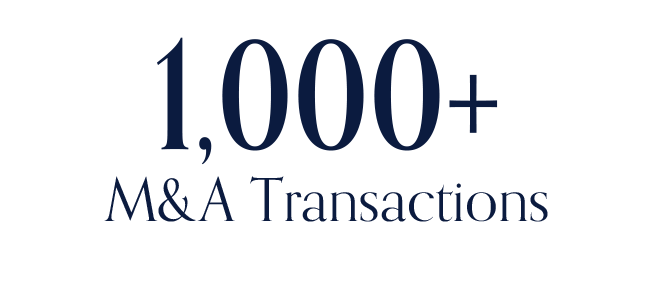
1,000 Plus Exits. Zero Guesswork.
Documented results for Florida founders with premium outcomes delivered through a repeatable playbook.
Built for Confidentiality.
A discreet, hands on process that protects your brand, your team, and your timeline from first teaser to closing.
Real World Operators.
We have owned, scaled, and sold companies, so we prepare and negotiate like owners.
Buyers Who Close.
Not leads. Qualified acquirers with funding and fit who move from interest to LOI to wire.
Mission Driven. Owner Focused.
Every sale is personal. Your legacy matters, and so does the next chapter you are building.
1,000+ Florida Business Owners Trust Us
Real stories from owners who sold, scaled, and succeeded with Sailfish.
Now is the Perfect Time to Sell Your Business in Miami, Florida:




In Miami's Tight Industries, Word Travels in Two Languages — Fast
A confidential business sale in Miami rests on three moves: a blind profile that names nothing, non-disclosure agreements signed before any real detail changes hands, and staged disclosure that releases your sensitive information only to the small share of inquiries — often fewer than 1 in 10 — that prove they can actually close. Done right, your employees, your customers, and your competitors learn the business sold only after it has sold.
Sailfish Equity Advisors is a Florida business brokerage and M&A advisory firm that helps Miami-Dade owners — Brickell service firms, Doral trade and import companies, Hialeah manufacturers, Coral Gables professional practices, and Miami Beach hospitality operators — value, prepare, confidentially market, and sell their companies. Buyer-backed valuation, buyer screening, controlled disclosure, and a structured process run before the business ever goes public. Confidentiality is not a courtesy in this work. It is deal protection.
In Miami's Tight Industries, Word Travels in Two Languages — Fast
Miami runs on relationships, and its business communities are smaller than the metro's size suggests. The Doral import trade, the Hialeah manufacturing corridor, the Brickell professional-services set, the Miami Beach hospitality scene — each is a circle where owners, suppliers, and competitors know one another, often across two languages and two countries. Word moves through those circles quickly, and it does not always move accurately.
That is why a leak in Miami is more dangerous than in a diffuse market. A single comment at a supplier lunch, repeated in Spanish and English by nightfall, can reach a competitor before it reaches a buyer who could actually close. Once the rumor is loose, you are no longer selling on your terms. You are managing a fire.
What a Leak Actually Costs You — in Staff, Accounts, and Ground Given to Rivals
Confidentiality is easy to treat as paranoia until you price out a leak. The bill comes in three parts.
Your employees. The moment your team believes the business is for sale, they update résumés. Your best people — the ones a buyer is paying for — are the most employable and the first to leave. In a service or trade business, when a key employee walks, the customer relationships they carry can walk with them. That is not a morale problem; it is a valuation problem.
Your customers. Clients hear "for sale" and hear "uncertainty." Contracts up for renewal get shopped. A hospitality supplier, a B2B account in Doral, a professional client in Coral Gables — each starts quietly asking whether they should line up an alternative. Revenue softens at the exact moment a buyer is examining it, and a dip during diligence reads as a trend, not a rumor.
Your competitors. This is the sharpest edge in Miami. A competitor who learns you are selling has every incentive to call your customers, recruit your staff, and undercut you while you are distracted. In tight local industries, a rival can do real damage in a matter of weeks — and if the deal then falls through, you are left weaker than before you started.
None of these costs show up on a term sheet. All of them show up in the final price.
The Blind Profile: Marketing a Business No One Can Name
A confidential sale starts by making the business anonymous to the market. Instead of a listing with your name on it, buyers see a blind profile: category, general Miami-Dade area, revenue band, earnings, and the shape of the opportunity — nothing that identifies you. "A profitable Doral-area logistics company with a recurring commercial book" tells a buyer enough to raise their hand and tells a competitor nothing they can act on.
The blind profile does the screening work up front. Serious buyers respond to the economics; the merely curious have nothing to gossip about. Only after a buyer signs a non-disclosure agreement — and only after they are screened — does the company's identity come into view. The name is the last thing revealed, not the first.
Handing Out Details in Layers, Never in One Folder
Even under an NDA, you do not hand a buyer everything at once. Staged disclosure releases information in layers that match how far a buyer has earned their way in. Early on, a screened buyer sees financial summaries and the recast earnings picture. Deeper in, after they have shown real financial capacity and intent, they see contracts, a redacted customer profile, and operational detail. The crown jewels — full customer lists, route or account maps, key contract terms, employee names — come out last, in diligence, with only one or two buyers still standing.
The logic is simple: no buyer should ever hold information that would let them compete with you if the deal collapses. A competitor posing as a buyer gets a summary and a signature requirement, not your account list. Real buyers understand the discipline; it signals you run a serious process. Anyone who bristles at earning access is telling you something useful.
Vetting Buyers Before They See a Single Customer Name
Confidentiality and buyer screening are the same job done from two directions. You cannot protect information you hand to unqualified strangers. So before sensitive detail moves, a real process confirms the basics: financial capacity, proof of funds or a lender's backing, relevant experience, a genuine timeline, and the ability to actually close.
This matters double in Miami because the buyer pool is unusually broad — local operators, out-of-state search funds, private equity, and international acquirers using the city as their U.S. beachhead. Breadth is good for your price. It also means more strangers asking for information, which makes screening the gate that keeps the process safe. A buyer who cannot demonstrate the ability to close does not get the same access as one who can. Enthusiasm is not qualification.
Screening also protects the calendar. Most sales run six to twelve months from valuation to close, and an unscreened buyer who drops out in diligence can cost you weeks you never recover. Vetting for proof of funds, experience, and a real timeline up front means the buyers who reach your sensitive information are the ones likely to finish — which keeps both your secret and your schedule intact.
Family Firms and Founder-Led Shops Carry the Most Leak Risk
The businesses most exposed to a leak are the ones built on personal relationships — which describes a large share of Miami's owner-operated companies. If the business runs through your cell phone, if the biggest accounts are your relationships and your name, then a single conversation about selling can unsettle the very thing a buyer is paying for. And that same owner-dependence is already a discount: if the company needs you personally to function, a buyer marks the price down or ties more of it to an earnout.
That double exposure is a reason to run tighter, not looser. The more the business depends on you, the more damage a rumor does, and the more a disciplined, blind process is worth. Fixing the dependence — documenting relationships, putting a manager between you and daily operations, getting key accounts onto contracts — protects both your confidentiality and your valuation at the same time.
The Employee Conversation Comes Last, and by Design
Owners often feel they owe their team an early heads-up. The instinct is decent and the timing is wrong. Telling employees before a deal is essentially certain exposes them to months of anxiety over an outcome that may not happen, and exposes you to the leak you were trying to prevent.
The better practice is to tell your team when the deal is done or all but done — with the buyer beside you, a clear plan for their roles, and continuity they can see. Handled that way, the conversation reassures rather than rattles, and a good buyer wants it that way too, because they are buying those people. Sequence protects everyone. Say it early, and you risk the staff exodus that guts the value; say it right, and the transition steadies the business instead of shaking it.
How Sailfish Runs a Silent Sale Across Miami-Dade
Keeping a Miami sale quiet is a process, not a promise, and it is built before the first buyer call. Sailfish Equity Advisors takes your business to market as a blind profile, requires signed non-disclosure agreements, and screens every buyer for financial capacity before any identifying detail moves. We control the data room so information releases in stages, matched to how far a buyer has earned in, and we keep the full customer and employee picture back until a deal is nearly closed.
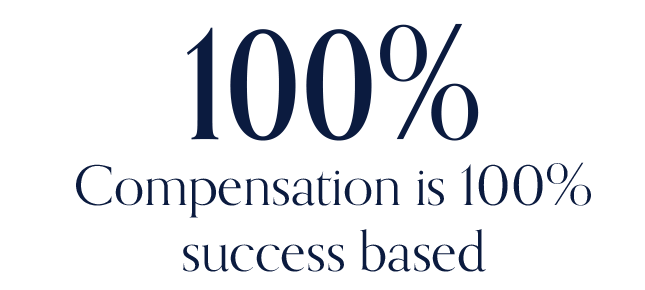
With more than 25 years of experience, over 1,000 Florida owners guided through sales, and no upfront fees — we are paid only when you close — we run a competitive process behind a closed door: several qualified buyers working in parallel, none of them able to harm you, none of them holding what they would need to compete if they walked. You keep operating. Your team stays steady. The market finds out when it is over.
Confidential Business Sale in Miami FAQ
How do you sell a business in Miami without employees finding out?
Market it as a blind profile that names nothing, require signed NDAs before disclosure, screen buyers for the ability to close, and release sensitive details only in stages. Tell your team once the deal is essentially certain — with the buyer present and their roles defined — so the news reassures rather than triggers an exodus.
What is a blind profile?
A blind profile is a marketing summary that describes the business — category, general Miami-Dade area, revenue band, earnings, growth angle — without any detail that identifies it. It lets qualified buyers evaluate the opportunity and raise their hand while giving competitors nothing to act on. The company's name is revealed only after a buyer signs an NDA and is screened.
What does a leak actually cost an owner?
Three things: employees who update résumés and leave with customer relationships, customers who shop renewals when they sense uncertainty, and competitors who use the news to poach staff and accounts. Each softens the business during diligence — the exact moment a buyer is judging it — and each shows up as a lower final price.
Should I tell my staff before I sell?
Generally no — not until the deal is done or nearly done. Early notice creates months of anxiety and is the most common source of leaks. Announce it with the buyer beside you and a clear continuity plan, so the conversation steadies the team rather than scattering it. Good buyers prefer this sequence too.
How does buyer screening protect confidentiality?
You cannot protect information you hand to unqualified strangers. Screening for proof of funds, experience, timeline, and ability to close filters out curious competitors before they see anything sensitive. Miami's broad buyer pool — local, national, and international — makes that gate essential rather than optional.
How does Sailfish Equity Advisors help Miami owners sell confidentially?
Sailfish markets your business blind, requires NDAs, screens buyers for financial capacity, and releases information in controlled stages through closing — with 25-plus years of experience, 1,000-plus Florida owners helped, and no upfront fees. We run several qualified buyers in parallel while keeping the customer and employee detail protected until a deal is nearly done.
Sell Your Miami Business Quietly, on Your Terms
The owners who sell without a leak are the ones who set up the process before the first conversation, not after a rumor starts. Begin with a confidential, buyer-backed assessment of your Miami-Dade business— know your number, know who would genuinely compete for it, and take it to market behind a closed door. Reach Sailfish Equity Advisors to start a discreet conversation.
Use the Miami business-sale timeline to plan each confidential disclosure stage.
For statewide guidance on valuation, confidentiality, buyer qualification, and closing, visit our Florida business broker guide.