
Who Buys Businesses in Florida? The Five Buyer Types and What Each Pays
Position Your Florida Business for the Buyer Most Likely to Pay
Individual buyers, strategic acquirers, private equity groups, family offices, and search funds value businesses through different lenses. To identify the buyer pool that best fits your company, schedule a confidential exit-planning conversation.


Why Florida Business Owners Choose Sailfish
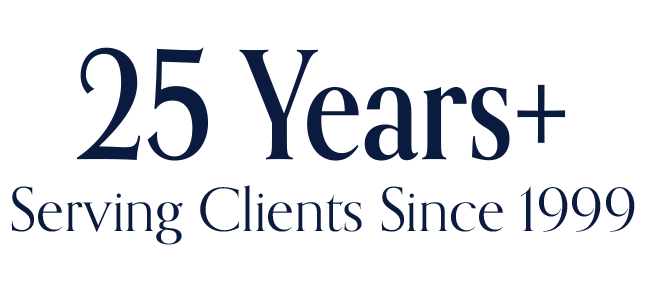
25+ Years of Florida Deal Experience
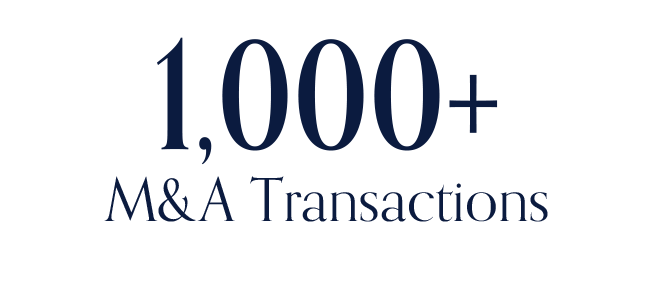
1,000+ Transactions Completed
Healthcare Buyer Screening
Confidential Marketing and NDAs
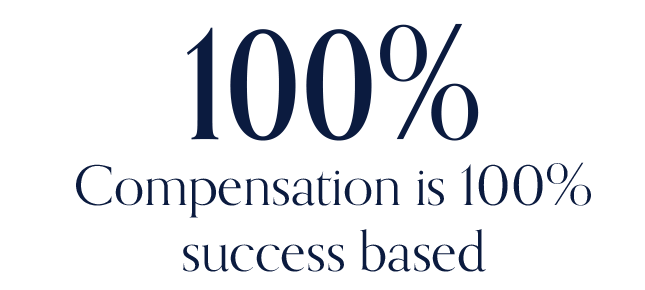
No Upfront Fees—Paid at Closing
1,000+ Florida Business Owners Trust Us
Real stories from owners who sold, scaled, and succeeded with Sailfish.
Now is the Perfect Time to Sell Your Business in Florida:





You Picture One Buyer. There Are Five — and They Pay Differently.
Who buys businesses in Florida? Five different kinds of buyer — and 2,342 of them closed a deal last quarter, down 4% from a year earlier. You probably picture one: a person who wants to own and run what you built. They compete against each other, and each runs different math on the same company.
That difference is the whole game: the buyer you attract sets the number you get. Sailfish Equity Advisors is a Florida sell-side advisory practice built around exactly this problem — we value your business against what real acquirers across all five categories are paying, take it to market without your staff, customers, or competitors finding out, verify each buyer before they see anything identifying, and prepare the earnings and risk story before the financials go out. Across more than 25 years and over a thousand Florida owners, one thing holds: the seller who knows which buyer is at the table keeps more of the sale.
The Five Buyers Who Actually Show Up for a Florida Business
Five distinct pools of capital chase Florida companies, each with its own math, risk tolerance, and reason for being at the table.
1. The individual operator — the SBA-financed searcher or corporate refugee. The most common Main Street buyer: someone leaving a corporate job, an owner adding a second location, or a first-timer funding the purchase with a Small Business Administration 7(a) loan. They buy income and a role. Because most of the check is borrowed, every dollar of your earnings has to survive a lender's underwriting — and, as of this year, a tighter eligibility screen.
2. The search fund and ETA buyer. An "entrepreneur through acquisition," often an MBA-trained operator backed by committed investor capital raised to buy one company and run it. Unlike the individual, the searcher arrives with institutional money and a diligence process to match — and pays more than a self-funded buyer because they can.
3. The private-equity platform and roll-up. A PE-backed "platform" buys on EBITDA, pays up for scale and recurring revenue, and stacks similar companies into a group. This buyer is transforming whole Florida industries: Fitness Ventures became the largest operator in the Crunch gym system (announced May 19, 2026; PRNewswire 302776838); Coral Gables firm MBF Healthcare Partners built the physical-therapy platform Arete Health (MBF Healthcare Partners release); Seven Hills Capital's med-spa platform Spa Medicca added Skin Science Aesthetics of Tallahassee (announced September 18, 2025; PRNewswire 302560868); and Creative Planning acquired the 45-year-old Southwest Florida firm MarkhamNorton Accountants + Advisors (announced June 16, 2026; PRNewswire 302801745, Gulfshore Business). The same playbook runs through pest control, HVAC, home health, and home services statewide.
4. The strategic buyer — the competitor or adjacent company. A company already in your industry that buys yours for market share, a new geography, or a capability it would rather acquire than build. Strategics can pay more than anyone because they strip out duplicate overhead and capture synergies a financial buyer can't. In Fort Myers, managed-IT firm Entech acquired Coral Springs cybersecurity company C2 Computer Services (announced February 10, 2026; einpresswire, NationalToday); in Miami, freight forwarder Allstates WorldCargo bought customs brokerage Promptus (announced February 4, 2026; BusinessWire 20260204397736). Each bought an adjacency, not a job.
5. The family office and high-net-worth individual. Private wealth buying operating companies directly, without a PE fund's fixed timeline. Family offices hold longer, use less debt, and often keep good management for years. They chase the same clean, durable businesses the platforms want, but their patience often means more cash and fewer strings.
The mix shifts by industry. Ask "who buys construction companies in Florida" and the answer leans toward strategics and PE-backed home-services platforms; a med spa tips toward healthcare roll-ups. But these five categories are the map, and knowing which one your business is built for is half of what sets your price.
The SBA Rule That Just Shrank the Individual-Buyer Pool
Here is the change most sellers have missed, and it hits the largest buyer pool directly. The Small Business Administration just rewrote how individual buyers finance acquisitions, and both changes make that first category smaller and pickier.
First, ownership eligibility. Effective March 1, 2026, an SBA 7(a) or 504 loan requires the business to be 100% owned by U.S. citizens (SBA procedural notice 5000-876626; sba.gov . A green-card holder or even a small foreign minority stake now disqualifies the entire loan — in a state as international as Florida, that quietly removes a real slice of would-be buyers from the financed pool.
Second, a borrowing ceiling. SBA acquisition financing now carries a cumulative cap of $10 million per borrower — up to $5 million under 7(a) plus $5 million under 504 (SBA Policy Notice 5000-879058; sba.gov A serial buyer who has used their SBA capacity can't stack another loan onto the next deal. With acquisition rates running roughly 9% to 11.5% the financed individual is now both fewer and more constrained.
None of this shrinks demand for a good business — it reshapes which buyer clears, pushing competition toward searchers, platforms, and strategics who don't need an SBA loan at all. If your only prospect is a financed individual, this is the year that pool got thinner.
Why the Market Split in Two — and Which Side Your Business Is On
Behind the five buyers sits a backdrop that explains their behavior. Roughly $5 trillion in small-business value across some 6 million U.S. companies is expected to change hands this decade as baby-boomer owners retire— a historic wave of supply.
But buyers aren't treating all of it the same way. The market has bifurcated: sophisticated buyers bid up clean, growing companies with documented books while ignoring the ones that can't prove their numbers (American Small Business Network). Even as quarterly deal volume fell 4%, the best-prepared businesses still drew competing offers.
Which side of that split your business lands on isn't luck. It's whether three years of clean financials, a defensible growth story, and a business that runs without you are ready before a buyer looks — and all five buyer types reward that preparation, just with different structures and numbers.
What Your Business Is Worth: What Three Competing Buyers Would Each Pay
The honest answer to "what's my business worth" is a range, defined by which of the five buyers you attract: put the same Florida company in front of three of them and you get three different checks.
Start with the floor. The typical U.S. small business sells for about 2.7 times SDE — seller's discretionary earnings, the profit a lone owner-operator keeps once salary, personal costs, and one-off items are added back in. An owner-operated service business generally trades in a 1.5x to 3.5x SDE band — roughly what an individual or SBA-financed buyer pays for what is, to them, a job with income. A strategic competitor usually clears that floor, because it removes duplicate overhead and pays for revenue that costs less to keep than it cost you.
A private-equity platform can pay in a different universe, because it prices on EBITDA and buys scale. In med spas, a single-location business trades around 2.1x to 3.5x SDE while a platform-scale operator reaches 10x to 14x EBITDA in physical therapy, an owner-run clinic sells at 2.5x to 4x EBITDA and a roll-up target at 6x to 8x or more. Same kind of business — the platform's number can be double or triple the individual's.
That's why the right question isn't "what's the multiple" but "what would three competing buyer types each pay for this business." Answer that before you list, and you price to the top buyer in the room, not the first through the door.
How Each Buyer Prices the Risk You Can't See
Every buyer discounts risk, but they weigh three risks differently — and knowing which buyer you're courting tells you which one to fix first.
Owner-dependence. If the business needs you — your relationships, your judgment, your phone — an individual may accept it, because they intend to become you. A PE platform won't; it's buying a system it can run across many locations, and a company that lives in the founder's head gets repriced or passed over.
Customer concentration. When one client is more than 20% to 30% of revenue, every buyer flinches — but prices it differently. A strategic who already serves that customer may shrug it off; a financial buyer discounts or pushes it into an earnout.
Clean books. This is where the bifurcated market bites hardest. A sophisticated buyer pays up for financials they can verify and walks from ones they can't — three years of clean statements with documented add-backs is what moves you to the bid-up side. The individual might forgive messy books; the buyer who pays the most never will.
How the Sale Stays Quiet: Teaser, Verified Buyer, Data Room
Reaching five buyer pools means putting your business in front of strangers — which is why confidentiality can't be one line in an NDA. It's a funnel, information released in stages as trust is earned.
It starts with a blind teaser: a one-page profile describing the business — industry, region, size, the shape of the earnings — without naming it. A competitor reading it shouldn't be able to tell it's you. Interested buyers then sign an NDA and get verified for who they are, whether they can fund the deal, and which category they fit — before any identifying detail is released. Only that screened short list reaches the data room, and even there the most sensitive material comes last.
That staging isn't bureaucracy. A leak doesn't just embarrass you — it walks your best customer out the door and your best employee into a competitor's office before the buyer makes an offer. Controlling who knows, and when, is how you run a full auction without lighting your business on fire.
How Long It Takes Depends on Who's Buying
There is no single timeline, because each buyer runs a different clock. An SBA-financed individual moves at the speed of a lender's underwriting — approval, appraisal, and the citizenship and cap checks now built into it. A platform or search fund arrives with committed capital and a diligence team; a strategic can move fast on price and slow on board approval; a family office isn't on a fund's schedule at all. What sets the pace far more than the buyer is your readiness: the businesses that close cleanly were prepared before they listed.
How Sailfish Equity Advisors Matches Florida Owners to the Right Buyer
The top price comes from the right buyers bidding against one another — not from posting a listing and waiting for a call. We value your business against what all five buyer types are paying in your industry. We build the blind profile, run the staged-disclosure funnel so your staff and competitors never learn you're for sale, and verify every buyer's identity and funding before they see your name. Then we prepare the owner-dependence, concentration, and clean-books story that decides which side of the bifurcated market you land on — and position it for the buyer most likely to pay the top of your range, in cash or platform rollover equity.
Sarah Khatri leads Sailfish Equity Advisors, a Florida sell-side advisory practice; behind Florida Broker License BK3531707 sit more than 25 years in this work and over a thousand Florida owners guided to close. To learn which of the five buyers your business is built for and what each would pay, start with a confidential valuation — a real number, quietly, with nothing tipped to a customer, an employee, or a competitor.
FAQ: Who Buys Businesses in Florida
Who buys businesses in Florida?
Five buyer types: individual operators (often SBA-financed searchers), search funds and entrepreneurs-through-acquisition backed by committed capital, private-equity platforms building roll-ups, strategic competitors buying for market share or synergy, and family offices deploying private wealth. Each prices the same business differently, so the buyer you attract largely determines your price.
Which buyer pays the most for a business?
Usually a private-equity platform or a strategic competitor, not an individual. Platforms price on EBITDA and buy scale — in med spas the spread runs from about 2.1x SDE for a single location to 10x–14x EBITDA at platform scale. Strategics pay up for synergies a financial buyer can't capture.
How did the new SBA rules change who can buy my business?
Two ways. Effective March 1, 2026, SBA 7(a) and 504 loans require 100% U.S.-citizen ownership, disqualifying any deal with a green-card or foreign minority owner (notice 5000-876626). And a $10 million cumulative cap now limits serial buyers. Together they thin the financed-individual pool and shift competition toward searchers, platforms, and strategics.
Will buyers find out my business is for sale?
Not if the process is staged correctly. It's first marketed as a blind, unnamed teaser; buyers must sign an NDA and be verified for identity and funding before any identifying detail is released; and only that short list reaches the data room, with the most sensitive material released last, once a buyer has proven serious.
How does Sailfish Equity Advisors help Florida business owners find the right buyer?
We value your business against what all five buyer types are actually paying in your industry, market it confidentially through a staged-disclosure funnel, and verify every buyer's identity and funding before they see your name.
For statewide guidance on valuation, confidentiality, buyer qualification, and closing, visit our Florida business broker guide.