
Taxes When Selling a Business in Tampa: What Owners Keep After the Sale
Plan Around the Factors That Affect Your Tampa Sale Proceeds
Net proceeds can change with entity structure, asset allocation, depreciation recapture, deal terms, timing, and tax planning. To coordinate your Tampa sale strategy around what matters after closing, schedule a confidential exit-planning conversation.





Thinking About Selling Your Business?
Find Out What Your Business is Worth!
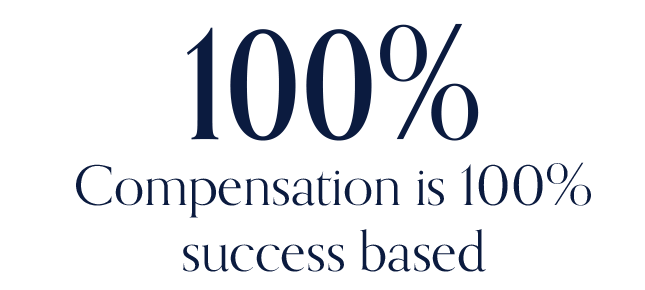
25+ Years of Success: Exclusive Buyers. Maximum Value. Zero Upfront Fees.
- ✓92% Success Rate – Proven expertise in closing efficiently.
- ✓Sell in as Fast as 90 Days – A streamlined, efficient process.
- ✓100% Confidential Sales – Protecting your business.
- ✓Multiple Competitive Offers – Serious buyers waiting.

Why Tampa Business Owners Work With Sailfish Equity Advisors
Tampa Market Knowledge That Creates Leverage. We understand the buyers, industries, and deal activity shaping Tampa Bay, then combine that local perspective with access to qualified buyers throughout Florida and beyond.
A Process Refined Through Experience. With more than 1,000 completed transactions, we know how to anticipate challenges, maintain momentum, and guide owners through each stage of the sale.
Your Business Stays Protected. We carefully control how information is shared, who receives it, and when conversations move forward, helping safeguard employees, customers, and day-to-day operations.
Advice From People Who Understand Ownership. Our team brings firsthand operating and transaction experience, allowing us to evaluate opportunities and negotiate from a business owner’s point of view.
Serious Buyers, Not Casual Inquiries. We focus on identifying buyers with the financial ability, strategic fit, and commitment required to complete a transaction.
A Sale Strategy Built Around Your Priorities. Whether your goal is maximizing value, preserving your company’s reputation, supporting your employees, or planning your next chapter, the process is shaped around what matters most to you.
1,000+ Florida Business Owners Trust Us
Real stories from owners who sold, scaled, and succeeded with Sailfish.
Now is the Perfect Time to Sell Your Business in Tampa, Florida:




No State Income Tax Is Only the First Word on Your Tampa Tax Bill
Taxes when selling a business in Tampa start from a real advantage: Florida charges no state personal income tax, so a Tampa owner generally keeps more of a sale than a seller in a high-tax state — often several percentage points more of the price. But the federal bill still decides most of your outcome, and on a mid-sized deal the difference between a well-structured and a poorly structured sale can easily exceed $100,000. Sailfish Equity Advisors is a Florida business brokerage and M&A advisory firm that helps Tampa owners across Hillsborough County value, prepare, confidentially market, and sell their companies — and we coordinate with your CPA so the structure works for you before you ever sign.
One caveat first, and it runs through this entire guide: this is general education, not tax advice. Every deal is specific. Bring your CPA in early, not at the closing table — the section below on when to make that call is the most important part of the article.
No State Income Tax Is Only the First Word on Your Tampa Tax Bill
Florida's lack of a state income tax is a genuine edge, and it is one reason out-of-state buyers and relocating operators keep pointing capital at the Tampa Bay market. When you sell, the gain on your business is not taxed by the state the way it would be in New York, California, or New Jersey. On a $2 million gain, that alone can be worth well into six figures compared with a high-tax jurisdiction.
But "no state income tax" tells you nothing about the federal treatment, and the federal side is where most of the real planning lives. Your proceeds still face federal capital gains tax, possibly ordinary-income tax on parts of the deal, depreciation recapture on assets you have written off, and the net investment income tax. The Florida advantage is real — it is just the beginning of the conversation, not the end of it.
Asset Sale vs. Stock Sale: The Fork That Sets Your Tax Bill
Almost every small and mid-market Tampa deal comes down to one structural fork: is the buyer purchasing the assets of your business, or the stock (or membership interests) of your entity? The two are taxed very differently, and buyers and sellers usually want opposite things.
In an asset sale, the buyer purchases the equipment, vehicles, customer relationships, inventory, and goodwill, and typically leaves the legal entity behind with you. Buyers strongly prefer this: they get a "stepped-up" tax basis in the assets they can depreciate going forward, and they avoid inheriting the seller's unknown liabilities. The catch for you is that portions of an asset sale can be taxed at higher ordinary-income rates rather than favorable capital-gains rates, depending on how the price is allocated.
In a stock sale, the buyer purchases your ownership interest and steps into the company as it stands. Sellers often prefer this because the gain is generally treated as a capital gain and the paperwork can be simpler. Buyers resist it because they inherit liabilities and lose the depreciation step-up. The vast majority of Main Street and lower-middle-market Tampa deals close as asset sales — which makes the next two topics, allocation and recapture, unavoidable.
How Purchase Price Allocation Quietly Moves Money
Once a Tampa deal is structured as an asset sale, the single price you negotiated gets split across categories of assets — equipment, vehicles, inventory, non-compete, goodwill, and so on. That split is called the purchase price allocation, and it is reported to the IRS by both sides. It is not a formality. It is a negotiation that directly changes your tax bill and the buyer's.
Here is the tension. Each asset class is taxed at a different rate for you and depreciated on a different schedule for the buyer. You generally want more of the price allocated to goodwill and other assets that receive capital-gains treatment. The buyer often wants more allocated to equipment and consulting or non-compete payments they can write off quickly — categories that can be taxed to you at higher ordinary rates. Two deals at the same headline price can leave two owners with meaningfully different after-tax proceeds purely because of how the allocation was drawn. This is exactly the kind of term that should be modeled with your CPA during negotiation, not accepted as boilerplate in the purchase agreement.
Depreciation Recapture: The Bill Hiding in Your Truck Fleet
If you run a Tampa service business — HVAC, plumbing, landscaping, a distribution operation off I-4 — you have probably deducted vehicles and equipment aggressively over the years, sometimes writing off big-ticket items in a single year. Those deductions felt great at the time. At sale, some of them come back.
Depreciation recapture is the mechanism. When you sell an asset for more than its depreciated (book) value, the IRS "recaptures" the depreciation you previously claimed and taxes that portion — often at ordinary-income rates rather than the lower capital-gains rate. For an owner who expensed a fleet of trucks and a shop full of equipment, recapture can turn what looked like a clean capital gain into a chunk of ordinary income. It rarely changes whether you sell, but it absolutely changes your after-tax number, and it is a major reason your CPA needs the asset detail before the allocation is set — not after.
Seller Financing and Earnouts Can Spread the Tax — and the Risk
Not every Tampa deal is all cash at closing. Buyers using SBA financing, seller notes, or earnouts are common, especially now that the SBA 7(a) and 504 programs carry a $10 million cumulative cap that went live on July 4, 2026, expanding how much acquisition debt a buyer can bring. When part of your price arrives over time, the tax can sometimes be spread over the years you receive the money rather than landing all at once — an installment approach your CPA can model.
That spreading can smooth your tax exposure, but it comes with a trade: you are carrying some risk on money not yet in hand, and recapture is generally still due up front. The structure decision is a joint call among you, your CPA, and your advisor — weighing tax timing against getting paid and staying protected. It is one more reason the tax conversation and the deal conversation cannot happen in separate rooms.
Why Your After-Tax Number Depends on Your Valuation Being Right
Taxes are calculated on the gain, and the gain starts with the price — which loops all the way back to how the business is valued and how transferable your earnings are. Buyers pay for seller's discretionary earnings, or SDE: think of it as the full pile of money the business puts in the owner's pocket in a year — the profit on the return plus your salary, your health coverage, the personal vehicle, and the one-time costs a new owner would not repeat. The stronger and cleaner that number, the higher the price, and the more the structure and allocation actually matter.
Owner dependence cuts the other way. If the relationships, the pricing, and the day-to-day all run through your personal cell phone, buyers discount the price — and a lower price shrinks the gain you are planning around. Getting the business to run without you does two things at once: it raises what you sell for and it makes the after-tax planning worth doing. There is little point optimizing the tax on a number that owner dependence has already quietly cut.
When to Bring Your CPA In (Hint: Long Before the Letter of Intent)
The most expensive tax mistake Tampa owners make is treating their CPA as the person who files the return after the deal is done. By the time a purchase agreement is signed, the structure, the allocation, and the recapture exposure are largely locked. The planning window is before and during negotiation.
Bring your CPA in when you decide to explore a sale, and definitely before you accept a letter of intent. That is when asset-versus-stock is still open, when allocation can be negotiated, when installment treatment can be planned, and when your advisor and accountant can model two or three structures and show you the after-tax difference in real dollars. A good process runs the tax math alongside the deal math the whole way through — because the number that matters is not the price on the offer, it is what you keep after Tampa's advantage and the federal bill are both accounted for. If you want that coordination built into your sale from the start, a confidential conversation about selling your Tampa business is the place to begin.
How Sailfish Keeps Tampa Sellers Focused on After-Tax Proceeds
Sailfish Equity Advisors does not replace your CPA — we make sure your CPA is in the deal early enough to matter. We build a defensible, buyer-backed valuation, then structure and negotiate the deal with the after-tax number in view: asset versus stock, how the price is allocated, how recapture and seller financing interact, and how the timing affects what actually reaches your account. Across 25-plus years and more than 1,000 Florida owners, and on a no-upfront-fee model where we are paid only at closing, our incentive is the same as yours — the largest amount you keep, not the biggest headline price. We coordinate directly with your accountant and attorney so the tax and legal work move in step with the deal instead of scrambling at the end.
Taxes When Selling a Tampa Business FAQ
Do I pay Florida state tax when I sell my Tampa business?
No. Florida has no state personal income tax, so the gain on your business sale is not taxed at the state level — a real advantage over sellers in high-tax states. You will still owe federal taxes, including capital gains, possible ordinary income on parts of the deal, depreciation recapture, and the net investment income tax. Coordinate the details with your CPA.
Is an asset sale or a stock sale better for taxes?
It depends on which side you are on. Sellers often prefer stock sales for capital-gains treatment and simplicity; buyers strongly prefer asset sales for the depreciation step-up and liability protection. Most Tampa small and lower-middle-market deals close as asset sales, which makes purchase price allocation and depreciation recapture the terms that decide your after-tax outcome.
What is depreciation recapture and will it affect me?
Depreciation recapture taxes back the depreciation you previously deducted on assets like trucks and equipment when you sell them for more than their depreciated value — often at ordinary-income rates rather than capital-gains rates. Tampa service businesses that expensed vehicles and equipment aggressively are the most exposed. Your CPA should model it before the price is allocated.
How does purchase price allocation change my taxes?
In an asset sale, the price is split across asset classes — equipment, goodwill, non-compete, and more — and each class is taxed differently for you. Allocating more to goodwill generally helps the seller with capital-gains treatment; allocating more to equipment or consulting often helps the buyer but can raise your ordinary-income tax. It is a negotiated term, not paperwork.
When should I bring my CPA into the sale?
As early as possible — when you decide to explore selling, and definitely before signing a letter of intent. Once the deal structure and allocation are set, most tax-planning options close. Early involvement lets your CPA and advisor model asset versus stock, allocation, and installment options and show the after-tax difference in real dollars.
How does Sailfish Equity Advisors help Tampa business owners?
Sailfish provides a confidential, buyer-backed valuation, deal structuring, buyer screening, and full negotiation through closing — coordinating with your CPA and attorney so the tax structure is set before you sign. With 25-plus years of experience, 1,000-plus Florida owners helped, and no upfront fees, we optimize for what you keep after tax, not just the headline price.
Talk Through Your Tampa Sale Before the Tax Is Locked In
The tax outcome of a Tampa business sale is decided during negotiation, not at filing time — which means the time to plan is before you have a signed deal. Start with a confidential conversation about selling your Tampa business, bring your CPA into the room early, and structure the deal around what you actually keep. Reach Sailfish Equity Advisors to begin. (This article is general education, not tax advice; coordinate all tax decisions with your CPA.)
For statewide guidance on valuation, confidentiality, buyer qualification, and closing, visit our Florida business broker guide.