
Selling a Pest Control Business in Tampa: What Your Recurring Routes Are Worth in 2026
Turn Tampa Recurring Routes into Defensible Buyer Value
Pest-control buyers focus on recurring contracts, route density, retention, technician stability, licensing, fleet condition, and customer concentration. To position those routes for qualified buyers, schedule a confidential exit-planning conversation.



Thinking About Selling Your Business?
Find Out What Your Business is Worth!
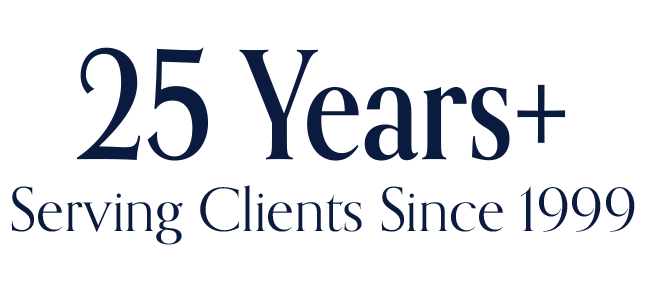
25+ Years of Success: Exclusive Buyers. Maximum Value. Zero Upfront Fees.
- ✓92% Success Rate – Proven expertise in closing efficiently.
- ✓Sell in as Fast as 90 Days – A streamlined, efficient process.
- ✓100% Confidential Sales – Protecting your business.
- ✓Multiple Competitive Offers – Serious buyers waiting.

Why Tampa Business Owners Work With Sailfish Equity Advisors
Tampa Market Knowledge That Creates Leverage. We understand the buyers, industries, and deal activity shaping Tampa Bay, then combine that local perspective with access to qualified buyers throughout Florida and beyond.
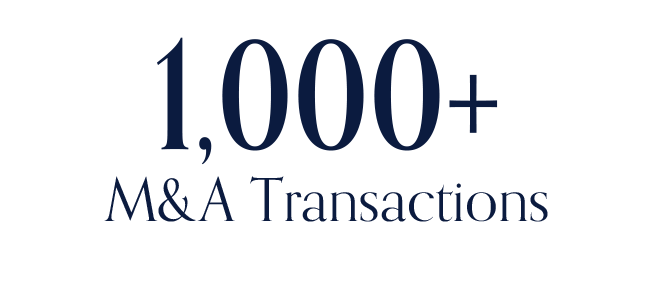
A Process Refined Through Experience. With more than 1,000 completed transactions, we know how to anticipate challenges, maintain momentum, and guide owners through each stage of the sale.
Your Business Stays Protected. We carefully control how information is shared, who receives it, and when conversations move forward, helping safeguard employees, customers, and day-to-day operations.
Advice From People Who Understand Ownership. Our team brings firsthand operating and transaction experience, allowing us to evaluate opportunities and negotiate from a business owner’s point of view.
Serious Buyers, Not Casual Inquiries. We focus on identifying buyers with the financial ability, strategic fit, and commitment required to complete a transaction.
A Sale Strategy Built Around Your Priorities. Whether your goal is maximizing value, preserving your company’s reputation, supporting your employees, or planning your next chapter, the process is shaped around what matters most to you.
1,000+ Florida Business Owners Trust Us
Real stories from owners who sold, scaled, and succeeded with Sailfish.
Now is the Perfect Time to Sell Your Business in Tampa, Florida:




Why Tampa Pest Routes Are a Buyer's Market Right Now
A profitable Tampa pest control business with a strong recurring base generally sells for about 1.5x to 3.5x SDE at the owner-operator level, and published estimates put residential-recurring platform acquisitions closer to 7x to 10x EBITDA — where you land depends on how much of your Hillsborough route book renews on its own every quarter. Sailfish Equity Advisors is a Florida business brokerage and M&A advisory firm, and we help Tampa pest control owners value, prepare, confidentially market, and sell their companies using buyer-backed valuation, disciplined buyer screening, and a structured process built before the business ever hits the market.
The question we hear most from Tampa owners is not whether a pest business will sell. It is how to sell it without the technicians walking and the accounts following them out the door. That is solvable. Value comes first.
Why Tampa Pest Routes Are a Buyer's Market Right Now
Pest control is one of the most consolidated home-service categories in the country, and Tampa Bay sits in the thick of it. National platforms and regional roll-ups have both been buying local operators — published broker reports noted a Tampa-area combination early in 2026 when a growth-minded regional player folded in a local lawn-and-pest company, and the national names keep circling Hillsborough, Pasco, and Pinellas routes. Add the region's runaway growth — new rooftops going up across Riverview, Wesley Chapel, and the Brandon corridor mean new recurring accounts by the month — and you have real buyer appetite.
That matters for one reason. When several well-funded buyers all want the same thing — recurring residential and commercial routes in a growing Tampa market — a prepared seller can put them in competition instead of taking the first offer. What they are paying for is not the name on your trucks. It is the base of accounts that renews without a sales call, in a climate that never gives pests a season off.
What a Buyer's Lender Sees Before You Do
Most Tampa pest businesses sell to a buyer who needs financing, which means the real audience for your numbers is a lender's underwriter. That underwriter restates your earnings as if one owner ran the company full-time, strips out personal and one-time costs, and asks a blunt question: can this cash flow service the debt on the purchase and still pay a new owner a living? That restated figure is your SDE — seller's discretionary earnings — and it is the number the whole deal is built on.
For a Tampa route book, SDE is what remains after the trucks are fueled, the chemicals and materials are bought, and the techs are paid, but before your own salary, your personal vehicle, your phone, and the discretionary spending that leaves when you leave. Get that number defensible and documented, and the lender moves fast. Leave it tangled up with personal expenses and a shoebox of receipts, and even a strong business stalls in underwriting while a buyer's confidence drains.
What Tampa Recurring Routes Sell For in 2026
Price tracks recurring revenue more tightly in pest control than in almost any other trade. Published industry estimates place residential-recurring platform deals in the range of roughly 7x to 10x EBITDA, with commercial-heavy books a notch lower at about 6x to 8x because commercial contracts get re-bid more often. Owner-operated Tampa shops that trade on SDE rather than EBITDA usually land in the published range of about 1.5x to 3.5x SDE. Where you fall inside that band is not luck.
Two Tampa businesses at the same $400,000 of SDE can be worth very different numbers. The one with 80% of revenue on auto-renewing quarterly and bi-monthly plans, a manager running dispatch, and low single-digit churn sits at the top of the range. The one with the same revenue but half of it in one-time callouts, and every key account tied to the owner's cell phone, sits at the bottom — or gets an offer with money held back until the accounts prove they stay. Consider these published multiples as ranges, not promises: the buyer's underwriter sets the final number.
The Recurring Share That Moves Your Multiple
Before anything else, calculate one figure — what percentage of your trailing-twelve-month revenue came from recurring service plans versus one-time and callback work. In a market like Tampa, where humidity keeps ants, roaches, rodents, and mosquitoes active year-round, a well-run book should skew heavily recurring, and buyers know it.
A book that is 75% or more recurring reads to a lender as an annuity: predictable, financeable, and expandable by adding density in the same neighborhoods. A book that is mostly one-time treatments reads as a marketing operation that has to win the same customer twice. If your recurring share is lower than you want, that is a preparation project, not a reason to sit still — converting one-time customers to quarterly plans, tightening how cancellations are handled, and documenting renewal rates over 12 to 18 months lifts both your SDE and the multiple applied to it. A higher multiple on a higher base is the entire game.
Termites, WDO Inspections, and the Tampa Housing Turnover Angle
Here is a Tampa-specific edge generic guides miss. Hillsborough's warmth and moisture make it prime territory for eastern subterranean and Formosan termites, and that turns your termite and wood-destroying-organism (WDO) work into two assets at once. The recurring termite bond base is one. The second is the WDO inspection channel tied to real estate: every home resale in Tampa's active market can trigger a WDO inspection, and a company positioned with real-estate agents and closing offices has a steady, low-cost lead source feeding new termite and general-pest accounts.
Buyers value that. But they will also read the liability side closely. A buyer's underwriter looks hard at open termite bonds, the retreatment obligations behind them, and whether you hold a reserve for callbacks. Document your active bonds, your claims history, and your inspection-referral relationships, and you convert a risk buyers fear into a growth story they will pay for.
Add-Backs Done the Way Underwriters Accept Them
Most owner-run Tampa pest businesses understate their true earnings, because the books are built to manage taxes, not to sell the company. Clean add-backs recover that value legitimately. The discipline is what separates a credible schedule from a discounted one.
● Owner compensation above a market manager's wage — the gap is real cash flow to a new owner.
● Personal-use vehicles and phones carried on the company books.
● Non-essential family payroll — a relative on the roster a buyer would not replace.
● One-time purchases — a new sprayer fleet, a software conversion, a one-off legal bill.
● Discretionary spending a new owner simply would not carry.
Documented add-backs raise SDE, and a higher SDE at the same multiple is money in your pocket. But a lender's underwriter verifies against tax returns and a check register. Clean, provable add-backs build confidence; vague or aggressive ones make the whole schedule suspect, and the buyer starts discounting everything. Build the one-page add-back schedule before a buyer challenges it, not after.
Selling So Your Technicians Are the Last to Know
In pest control, confidentiality is deal protection, not a courtesy — and in Tampa the stakes run high because your technicians effectively carry the customer relationships on their routes. If your best techs hear the company is for sale before you are ready, some will start fielding calls from the very consolidators trying to buy you, and a competitor can poach both the tech and the accounts riding along.
A blind-profile process keeps the lid on. Your company goes to market as an anonymous profile — category, general Tampa Bay territory, revenue band, SDE, recurring mix — with nothing that identifies it. No buyer learns your name until they sign a non-disclosure agreement, and the sensitive material — customer lists, route maps, technician rosters — is released in stages, only to buyers who have proven they can actually close. Your crew learns about the sale when the deal is essentially done, not when a rumor beats you to the shop.
Screening the Buyers Who Can Actually Fund a Route Book
Interest and ability are not the same thing, and treating a curious competitor like a real buyer is how routes and pricing leak into the market. A serious process screens before it shares. That means confirming financial capacity, relevant experience, a genuine timeline, and the ability to close — proof of funds or a lender's backing, not just enthusiasm on a phone call.
Screening also protects your price. When a strategic consolidator, an individual operator or search fund, and possibly a regional competitor who values your Tampa density are all working in parallel, you have a market rather than a single conversation. A buyer who cannot demonstrate the ability to close should not get the same access as one who can — and no buyer should ever see the customer detail that would let them compete with you if the deal falls apart.
How Sailfish Prices a Tampa Route Book the Way a Buyer Will
Selling a pest control business well is mostly about proving the earnings are real and that they stay after you leave — and that is the work we do before a buyer ever calls. Sailfish Equity Advisors starts with a confidential, buyer-backed valuation: we recast your financials into a defensible SDE, build the add-back schedule a lender's underwriter will accept, and measure your recurring ratio, route density, and churn the way an acquirer scores them.
For a quarter of a century we have worked shoulder to shoulder with Florida owners — more than a thousand of them — and we never charge an upfront fee, because we are paid when your deal closes. We take the business to market blind, screen buyers hard, and run a competitive process so your recurring routes are priced as the annuity they are. We map the FDACS certified-operator question and any WDO bond exposure up front, so the transition is answered before it can slow a closing. The point is simple: get you paid for the steady, recurring parts of the business buyers value most.
The 12-Month Tampa Prep List That Moves the Price
The best pest control exits are built, not stumbled into. Give yourself a year and work the list in order.
● Clean the financials and separate personal from business so your SDE survives underwriting.
● Push the recurring ratio up and document renewal and cancellation rates over 12 to 18 months.
● Put a manager or lead between you and daily dispatch so the business does not run on your phone — if it needs you every day, a buyer is purchasing a job, not a company, and prices it that way.
● Review concentration — if one commercial account is more than 20% to 30% of revenue, buyers and lenders get cautious.
● Get the certified-operator and WDO paperwork in order, including bond reserves and claims history.
● Get a buyer-backed valuation and decide, from data, whether to sell now or build another year of proof.
None of this takes heroics. It takes starting before you are ready to be done — and a business that is always ready to sell is also easier and more profitable to run.
Tampa Pest Control Sale FAQ
How much is my Tampa pest control business worth?
Owner-operated Tampa pest businesses generally sell for about 1.5x to 3.5x SDE, while larger residential-recurring operations have traded closer to 7x to 10x EBITDA in recent consolidation, per published estimates. The biggest driver is your recurring-revenue share — the more of your book that renews automatically, the higher both your earnings base and your multiple.
Who is buying pest control businesses around Tampa?
National platforms, regional roll-ups, and individual operators are all active across Hillsborough, Pasco, and Pinellas. Strategics pay for route density and recurring accounts; individual buyers may pay for a turnkey, well-staffed book they can step into. A competitive process lets these buyer types bid against each other instead of one setting the price.
Do I have to tell my technicians I'm selling?
Generally not until the deal is essentially closed. Because Tampa techs carry the route relationships, an early leak is a real risk. A blind-profile process — anonymous marketing, NDAs, and staged disclosure — protects your crew and your accounts until closing is a near-certainty.
Does my FDACS pest control license transfer to a buyer?
Not automatically. Florida requires a certified operator in charge under Chapter 482 for each category you practice. A buyer must bring their own qualified operator, retain a qualified employee, or have you stay on through a transition. Sorting the license, WDO authority, and any termite-bond reserves before listing keeps this from stalling the closing.
How long does it take to sell a Tampa pest control business?
Published estimates put most service-business sales at six to twelve months from preparation to close, and pest control is often on the faster end when the recurring book is clean and the license question is answered early. Buyers typically want three years of financials, so the prep you do up front sets the pace of the whole deal.
How does Sailfish Equity Advisors help Tampa pest control owners?
Sailfish provides a confidential, buyer-backed valuation, financial recasting, add-back preparation, blind marketing, buyer screening, and full deal management through closing — with 25-plus years of experience, more than 1,000 Florida owners helped, and no upfront fees. We map your license and bond questions early and run a competitive process so recurring routes are priced as the assets they are.
Get Your Tampa Route Book's Real Number Before a Buyer Names One
If consolidators are already working your Tampa market, the worst spot to be in is learning what your company is worth from a buyer's opening offer. Start with a confidential, buyer-backed read on your numbers through the Florida pest control sale hub — know your figure, know which buyers would compete for your routes, and go to market on your terms. Reach Sailfish Equity Advisors to open a confidential conversation.
For statewide guidance on valuation, confidentiality, buyer qualification, and closing, visit our Florida business broker guide.