
Selling a General Contracting Business in Tampa: What Backlog, Bonding, and Subs Are Worth in 2026
Translate Tampa Backlog, Bonding, and Subcontractor Depth into Value
General contracting buyers scrutinize backlog quality, bonding capacity, customer concentration, subcontractor relationships, project controls, and management depth. To assess how those factors shape your sale, schedule a confidential exit-planning conversation.





Thinking About Selling Your Business?
Find Out What Your Business is Worth!
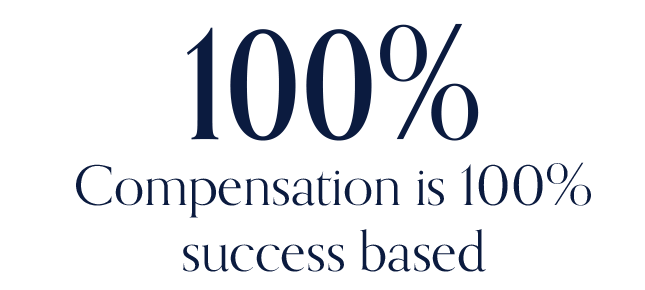
25+ Years of Success: Exclusive Buyers. Maximum Value. Zero Upfront Fees.
- ✓92% Success Rate – Proven expertise in closing efficiently.
- ✓Sell in as Fast as 90 Days – A streamlined, efficient process.
- ✓100% Confidential Sales – Protecting your business.
- ✓Multiple Competitive Offers – Serious buyers waiting.

Why Tampa Business Owners Work With Sailfish Equity Advisors
Tampa Market Knowledge That Creates Leverage. We understand the buyers, industries, and deal activity shaping Tampa Bay, then combine that local perspective with access to qualified buyers throughout Florida and beyond.
A Process Refined Through Experience. With more than 1,000 completed transactions, we know how to anticipate challenges, maintain momentum, and guide owners through each stage of the sale.
Your Business Stays Protected. We carefully control how information is shared, who receives it, and when conversations move forward, helping safeguard employees, customers, and day-to-day operations.
Advice From People Who Understand Ownership. Our team brings firsthand operating and transaction experience, allowing us to evaluate opportunities and negotiate from a business owner’s point of view.
Serious Buyers, Not Casual Inquiries. We focus on identifying buyers with the financial ability, strategic fit, and commitment required to complete a transaction.
A Sale Strategy Built Around Your Priorities. Whether your goal is maximizing value, preserving your company’s reputation, supporting your employees, or planning your next chapter, the process is shaped around what matters most to you.
1,000+ Florida Business Owners Trust Us
Real stories from owners who sold, scaled, and succeeded with Sailfish.
Now is the Perfect Time to Sell Your Business in Tampa, Florida:




Your Backlog Is Only Worth What the Margin In It Survives Due Diligence
While an owner still runs it, a profitable Tampa general contracting business commonly trades in the vicinity of 1.5x to 3.5x SDE; hand the work over to an estimating and project-management team and the pricing basis becomes EBITDA, which published estimates set nearer 4.5x to 6.5x. What genuinely decides the figure, though, is not last year's top line but how much of your signed backlog carries documented margin into it. Sailfish Equity Advisors works as a Florida business brokerage and mergers-and-acquisitions advisor; we sit alongside general contractors throughout the Tampa Bay area to fix a defensible price, get the company sale-ready, run a discreet marketing campaign, screen the buyers, and see the transaction through — the groundwork laid well ahead of go-to-market.
Most GC owners assume the hard part of selling is finding a buyer. In Tampa's construction market, it isn't. The hard part is proving that the backlog, the bonding, and the client relationships come with the company instead of leaving with you.
Your Backlog Is Only Worth What the Margin In It Survives Due Diligence
Ask a general contractor what the business is worth and the reply almost always opens with the backlog figure — the combined contract value of signed work still to be built. Buyers begin there as well, but they don't linger. They pry open each job to weigh the margin baked in, the cost still left to spend, and whether past projects landed where you priced them or leaked profit as they ran. Twelve million dollars of backlog at razor margins with a fade history is volume dressed up as value. A leaner backlog with margin that holds and a record of finishing on estimate is worth far more per contracted dollar.
Tampa's growth has kept most GCs busy — the I-4 corridor buildout, the commercial density around Westshore and Water Street, healthcare expansion, and public and institutional work all keep the pipeline full. But a full pipeline is not the same as sellable backlog. The work that raises your price is contracted, well-estimated, and staffed to finish without the owner personally holding it together. That distinction is the whole valuation.
What Is My Tampa General Contracting Business Worth?
Put plainly: the company is worth whatever a qualified buyer can borrow against and justify, not whatever a rule of thumb spits out. In owner-run firms the yardstick is Seller's Discretionary Earnings, and deals typically settle within the published spread of roughly 1.5x to 3.5x SDE. Let a management team assume the day-to-day and earnings push past about $1 million, and the metric flips to EBITDA while the pool tilts toward strategic acquirers and private equity — published size-ladder figures place $1 million to $3 million of EBITDA around 4.5x to 6.5x, with bigger firms above it.
Your spot inside those ranges hangs on backlog quality, the negotiated-versus-hard-bid split, bonding capacity, client concentration, and whether estimating and project management can operate without you. Note what's absent from that list: the count of jobs you personally reeled in, or the gross you posted in a peak year. Revenue makes the headline; it's transferable earnings that set the price.
Backlog vs. Pipeline: What Buyers Count and What They Discount
Owners often blur two things a buyer keeps strictly separate: backlog and pipeline. Backlog is signed, contracted work. Pipeline is bids out and relationships likely to produce work. Buyers pay for backlog they can verify and heavily discount pipeline they cannot, because pipeline depends on the owner's relationships continuing after the owner is gone.
Inside that backlog, negotiated and repeat-client work earns more trust than jobs won purely on the low bid. A GC that keeps getting handed work by the same developers, property managers, and institutions across the Tampa market holds something that behaves like recurring revenue. A GC that re-competes its whole top line every year against whoever bids cheapest runs a business that resets to zero each January. Where a real share of your volume is negotiated and repeat, prove it on paper — it ranks among the sharpest arguments for a richer multiple you can hand a buyer.
Bonding Capacity Is a Ceiling on What You Can Sell
For any GC handling public, institutional, or heavier commercial work in the Tampa Bay market, bonding capacity is no footnote — it caps how much company is actually on offer. The surety that backed you underwrote your numbers, your track record, and often your personal guarantee. None of that rides along with the entity by default. Whoever buys has to build their own surety relationship from scratch, and the bonding company will size up the purchaser's balance sheet and experience rather than the seller's.
Two things follow at sale. For one, any bonded job still running when you close turns into a point of negotiation, since the surety must sign off on whoever carries it to completion. For another, a purchaser who can't line up comparable bonding simply can't operate the company you assembled, which trims your field of realistic buyers to those who can. Put bonding on the table at the outset — your single and aggregate limits, and how the surety views a handoff — and it stays a planning item instead of a final-week shock that re-cuts the price.
Do Your Subcontractor Relationships Transfer — or Retire With You?
A general contractor's real production capacity is not a crew on payroll; it is a bench of reliable subcontractors who show up, price fairly, and stand behind their work. That bench is a genuine asset — and buyers know how fragile it can be. The question they ask is whether the subs work with the company or with you personally. If your best electrical, mechanical, and concrete subs give you their good number because of a twenty-year handshake, a buyer worries that number walks out with you.
The fix is to institutionalize those relationships before you sell. Route sub relationships through your project managers and estimators, not just your cell phone. Keep the prequalification, pricing history, and performance records in the company's systems. A buyer who can see that the subcontractor base belongs to the business — with contracts, master agreements, and a team that manages them — will pay for production capacity they can count on keeping.
The Qualifier Problem: Who Holds the License When the Deal Closes
In Florida, a general contractor operates under a state license carried by a qualifying agent — the licensed person who lets the company contract at all under Chapter 489. For most owner-run firms that agent is the owner, and the credential doesn't simply ride along when the business changes hands. So each deal needs its own continuity plan: the purchaser qualifies the firm on their own license, a licensed key employee steps up as the qualifying agent, or you hold the qualification through a set transition while the buyer secures theirs.
None of this is exotic, yet it's exactly where unprepared deals seize up. The buyer's lender and attorney will insist on seeing, in writing, who lawfully qualifies the firm the morning after close. The rules shift by license class and are worth confirming with the state board or a construction attorney. Handle it before you list and it's one line in the transition plan; stumble on it during diligence and it's the reason your timeline doubles.
What the Tax Return Says Your GC Actually Earns
Most owner-run general contracting firms look leaner on paper than they earn, because the ledgers are kept to shrink the tax bill rather than to court a buyer. Reconstruct the figure the way the buyer's bank will. Begin where the tax return ends, then add back your own draw and the expenses that exit alongside you — the company-carried vehicle, the phone line, the relative on payroll who isn't essential, one-off equipment or software, and the lifestyle spending a successor drops. What's left over is SDE, the cash the firm truly throws off for whoever owns it.
Then keep the discipline tight. Add-backs you can back with a check-register entry and a stated reason lift both your SDE and your price. Fuzzy ones breed suspicion: once a buyer's accountant can't verify an item, the whole schedule gets marked down. Because you're a project-based GC, buyers will also pressure-test your work-in-progress reporting — the over- and under-billings, a credible cost-to-complete, and any sign that jobs fade in profit. Tidy percentage-of-completion accounting is the single highest-return thing you can prepare, because it's what lets a buyer believe the earnings.
Selling a General Contracting Business in Tampa Without a Leak
In this industry a leaked sale isn't awkward — it's costly, and it erodes the very assets a buyer means to pay for. Let clients suspect you might sell and they hesitate before handing you the next award. Let your subs suspect it and they start hedging. Let a rival suspect it and your project managers get phone calls that same week. Keeping it quiet is how you protect the deal.
You hold the line by metering disclosure so buyers earn each layer as they advance. The company enters the market as an unnamed sketch — trade, broad territory, revenue, earnings, the mix of work — with nothing traceable to you. The name comes out only once a non-disclosure agreement is signed. Client lists, bonded-job schedules, sub agreements, and prequalification files sit at the deepest layer, opened only to buyers who've documented real financial capacity and a genuine path to close. Your team and your clients find out the sale happened once it's all but signed — not from talk circulating at the bid table.
The Estimating and PM Bench That Lets the Company Run Without You
The priciest defect in a GC exit is a company that amounts to the owner plus a truck and a phone. If you personally land the work, price every job, and carry every client tie, the buyer isn't acquiring a business — they're acquiring a role that ends the day you retire. The relationships, the estimating, the license: when all of it lives in you, that's your discount, and for a general contractor it runs deep, because judgment and relationships are effectively the entire enterprise.
Cutting that dependence is the highest-value preparation you can undertake. Stand up a lead estimator who owns the pricing. Push project managers into the client relationships so they belong to the firm rather than to you. Add a second name to the qualifier line. Every one of those moves loosens the company's need for you — which is precisely what converts "buying your job" into "buying your company" and lifts you through the multiple range.
How Sailfish Turns Backlog, Bonding, and Subs Into One Number
Selling a general contracting business well comes down to demonstrating that the earnings are real and that the backlog, the bonding, and the relationships outlast your exit — and that demonstrating is what we handle before a buyer ever rings. Sailfish Equity Advisors begins with a confidential, buyer-tested valuation: we rebuild your financials into an SDE that stands up, put together the add-back schedule a buyer will accept, and examine your backlog margin, negotiated-versus-bid mix, WIP, and bonding capacity the way an acquirer's underwriter would.
With a quarter-century of doing this, north of 1,000 Florida businesses sold, and a fee that is entirely contingent — we collect only when the deal closes — we carry the company to market unnamed, screen buyers for the capacity to bond and qualify, and stage a competitive process so quality backlog and repeat relationships are priced for what they are. We set the qualifier, bonding, and WIP questions out at the very start; our resource for general contractors weighing a sale walks the full sequence. The aim is to get you paid for the whole business, not merely this year's job list.
General Contracting Sale FAQ: Tampa Owners' Questions
How much is my Tampa general contracting business worth?
Owner-run GCs commonly trade near 1.5x to 3.5x SDE, while firms with a management team and earnings above $1 million shift to EBITDA multiples that published estimates place closer to 4.5x to 6.5x. What drives the figure is backlog quality, the negotiated-versus-bid mix, bonding capacity, client concentration, and whether estimating and project management can run without the owner.
What do buyers look for in a general contractor's backlog?
They split signed backlog from mere pipeline and check each job for its margin, its remaining cost-to-complete, and any track record of profit fade. Negotiated, repeat-client work earns more trust than jobs won on the low bid. A leaner backlog with margin that holds can beat a large one stuffed with thin, un-started work.
What happens to my bonding when I sell?
Bonding capacity is underwritten to whoever owns the firm now and doesn't travel with it automatically. The buyer stands up their own surety relationship, the bonding company underwrites the buyer, and any bonded jobs still running at close turn into negotiated terms. Flagging bonding early heads off a final-week surprise that re-cuts the price.
Does my Florida contractor license transfer to the buyer?
Usually not straight across. A Florida GC is qualified by a licensed qualifying agent under Chapter 489, frequently the owner. Each deal needs its continuity plan: the buyer qualifies the firm, a licensed key employee steps up, or the seller holds on through a transition. Verify the particulars with the state board or a construction attorney.
How do I sell without my subs and clients finding out?
Run it confidentially: an unnamed profile that gives away nothing, an NDA required before your name surfaces, and the sensitive files — client lists, sub agreements, bonded-job schedules — opened only to vetted buyers who've shown proof of funds. Metered disclosure keeps subs, clients, and rivals out of it until the close is all but certain.
How does Sailfish Equity Advisors help general contracting business owners?
Sailfish delivers the whole sequence — a confidential, buyer-tested valuation, a recast of your financials and WIP, add-back preparation, marketing kept under wraps, buyer vetting, and deal management straight through closing — with a quarter-century of experience, more than 1,000 Florida businesses sold, and nothing charged upfront. We raise the qualifier, bonding, and backlog questions early so they fortify the deal rather than stall it.
See What Your Backlog and Bonding Would Command
If Tampa's building cycle has your phone buzzing with the occasional acquisition feeler, the worst move is to engage without knowing your number. Open with a confidential, buyer-tested valuation, learn which buyers could bond and qualify to run what you built, and bargain from strength. Reach Sailfish Equity Advisors to begin a private conversation.
For statewide guidance on valuation, confidentiality, buyer qualification, and closing, visit our Florida business broker guide.