
How Long Does It Take to Sell a Jacksonville Business? A Stage-by-Stage Timeline
Plan Each Stage of a Jacksonville Business Sale
A Jacksonville transaction moves through preparation, confidential marketing, buyer qualification, offers, diligence, financing, and closing—each with its own risks and timing. To build a stage-by-stage plan for your business, schedule a confidential exit-planning conversation.



Why Jacksonville Business Owners Choose Sailfish Equity Advisors
25+ Years of Proven Deal Experience
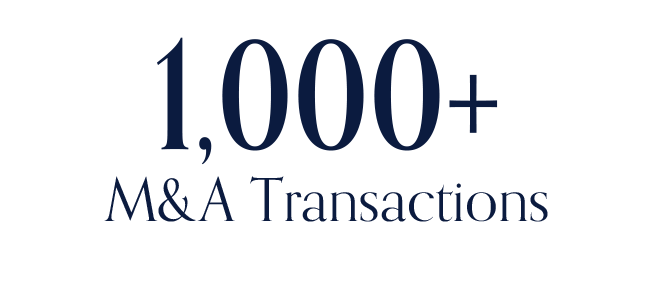
1,000+ Businesses Sold Across Florida
Confidential, Strategic Sale Process
Access to a Qualified Buyer Network
Maximized Valuation Through Positioning
Industry Experience Across High-Demand Sectors
Deal Structuring Expertise
Hands-On Guidance From Start to Finish
Deep Local Market Knowledge in Jacksonville, FL
Built for Results—Not Just Listings
1,000+ Florida Business Owners Trust Us
Real stories from owners who sold, scaled, and succeeded with Sailfish.
Why Sailfish Keeps Jacksonville Transactions Moving





The Jacksonville Sale Timeline: What Happens at Each Stage
A business sale is a series of stages, and each stage has a different source of delay. Owners can shorten the process by preparing the right information and managing dependencies before a buyer controls the calendar.
Stage 1: Preparation and valuation
Organize financial statements, tax returns, add-backs, concentration, employees, assets, leases, licenses, contracts, working capital, and the owner's role. A straightforward company with clean records may move quickly. A company with unreconciled books, several entities, or owner-dependent operations may need months of corrective work.
Stage 2: Confidential marketing and buyer screening
Prepare anonymous introductory information, control disclosure, and identify likely buyers. Interested parties should sign confidentiality agreements and provide background and financial-capacity information before receiving sensitive materials. A Jacksonville home-services company may attract individuals and regional operators, while a specialized logistics, healthcare, or construction company may require a narrower strategic search.
Stage 3: Buyer review and meetings
Qualified buyers study normalized earnings, operations, growth opportunities, and the transition. Prompt, consistent answers preserve momentum. Contradictory numbers and missing customer or employee information create delays.
Stage 4: Offer and negotiation
A letter of intent typically addresses price, cash at closing, financing, seller notes, earnouts, working capital, transition, exclusivity, and major conditions. Sellers should compare net proceeds and closing risk, not only price.
Stage 5: Due diligence
The buyer validates financial, legal, tax, operational, employee, customer, insurance, technology, and asset information. A lender may run parallel underwriting. Diligence moves faster when the data room is organized and explanations were prepared before the offer.
Jacksonville example: a contractor may need license and surety continuity, while a distributor may require customer-contract and warehouse-lease review. Each unresolved third-party dependency adds time.
Stage 6: Financing and approvals
Acquisition financing, landlord consent, license changes, contract assignments, insurance, and entity documentation can become the critical path. Requirements should be identified before an exclusivity deadline begins.
Stage 7: Purchase agreement and closing
Attorneys convert negotiated terms into definitive documents. Schedules, representations, escrow, prorations, working capital, transition obligations, and closing deliverables are finalized. Last-minute disputes often trace back to a vague letter-of-intent term.
What makes a sale faster?
• Reconciled records and documented add-backs.
• A realistic market-supported price.
• Limited owner dependence.
• A prepared data room.
• Transferable leases, licenses, and contracts.
• A qualified buyer with verified funds and financing.
• Clear working-capital and deal-structure terms.
• Fast, consistent communication.
Frequently asked questions
Can a business sell in less than six months? Yes, but speed depends on readiness, buyer fit, financing, approvals, and complexity.
What usually causes the longest delay? Financial inconsistencies, financing, third-party approvals, and unresolved legal or operating issues.
When does a seller grant exclusivity? Usually after accepting a negotiated letter of intent with buyer milestones and a realistic diligence period.
Can the company operate normally during the sale? It should. Maintaining revenue, staffing, and service is essential because declining performance can change price or terms.
Jacksonville business sale guidancebrokers
Review the Jacksonville business valuation guide before building the sale timeline.
• We build the timeline around readiness, financing, and required approvals.
• We prepare diligence materials before delays weaken negotiating leverage.
• We screen buyers and manage milestones from first contact through closing.
• We identify leases, licenses, working capital, and third-party consents early.
For statewide guidance on valuation, confidentiality, buyer qualification, and closing, visit our Florida business broker guide.