
Selling a Business in Boca Raton: The Complete Process
Move Through a Boca Raton Sale with Fewer Surprises
A controlled Boca Raton sale moves from valuation and preparation through confidential marketing, buyer screening, diligence, negotiation, and closing. To map those steps around your goals and timing, schedule a confidential exit-planning conversation.




Why Boca Raton Business Owners Choose Sailfish Equity Advisors
25+ Years of Proven Deal Experience
1,000+ Businesses Sold Across Florida
Confidential, Strategic Sale Process
Access to a Qualified Buyer Network
Maximized Valuation Through Positioning
Industry Experience Across High-Demand Sectors
Deal Structuring Expertise
Hands-On Guidance From Start to Finish
Deep Local Market Knowledge in South Florida
Built for Results—Not Just Listings
1,000+ Florida Business Owners Trust Us
Real stories from owners who sold, scaled, and succeeded with Sailfish.
Now is the Perfect Time to Sell Your Business in Boca Raton, FL:





Selling a business in Boca Raton usually requires eight connected stages and roughly 6 to 12 months from serious preparation to closing. The strongest outcomes begin before the listing: clean financial records, a defensible valuation, lower owner dependence, controlled confidentiality, and a transition plan a buyer can trust.
Sailfish Equity Advisors is a Florida sell-side M&A and business-brokerage practice serving owners in Boca Raton and across Palm Beach County. We manage valuation, sale preparation, confidential marketing, buyer screening, offer comparison, due diligence, closing, and transition. The aim is to present a transferable company, protect leverage, and help the owner reach closing on supportable terms.
Eight Stages From Sale Preparation to a Successful Handoff
A buyer does not pay for the owner’s years of effort by themselves. The buyer pays for cash flow that can be verified, financed, and transferred after the owner leaves. Every stage of the sale should make those qualities easier to prove.
Boca Raton can attract individual operators, strategic acquirers, search funds, and private-equity-backed groups. That buyer interest creates opportunity, not an automatic premium. Buyers still examine earnings quality, customer concentration, lease terms, management depth, recurring revenue, licenses, reputation, and owner involvement. A Boca Raton address can start a conversation; the company’s evidence must sustain it.
Stage 1: Define the Exit Before Preparing the Listing
Start by deciding what a successful sale must accomplish. Set a realistic timing range, the minimum acceptable cash at closing, whether seller financing is possible, how long you are willing to assist after closing, and which employee, customer, or brand outcomes matter most.
These decisions affect the buyer pool and the structure of the transaction. An owner who wants a clean break may favor a buyer with deep operating experience. An owner who will remain for a defined consulting period may support a broader group. If protecting key employees is important, leadership style and growth plans belong in buyer screening rather than becoming a late concern.
Early preparation also preserves choice. A seller under pressure from burnout, health, partnership conflict, or an expiring lease has less leverage. An owner who begins 6 to 24 months ahead can repair weak records, renew important agreements, build management depth, and enter the market when the company is performing well.
Stage 2: Reconstruct Transferable Cash Flow and Value
For many owner-operated businesses, taxable income does not show the full economic benefit received by the owner. Seller’s Discretionary Earnings, or SDE, starts with net income and may add back one owner’s compensation, owner benefits, interest, depreciation, and legitimate one-time or discretionary expenses.
An add-back only helps when it is identifiable and supportable. A one-time legal expense or documented personal vehicle cost may be accepted. A recurring item labeled “miscellaneous” may not. A buyer can also subtract the cost of replacing the owner if the company needs a general manager after closing.
Valuation applies a market-supported multiple to defensible cash flow, then adjusts for the facts of the company. Recurring revenue, a capable management team, diversified customers, documented systems, stable margins, and clean records can reduce risk. Customer concentration, owner dependence, declining performance, a short lease, or unresolved licensing issues can reduce value.
Financing creates a second test. A lender underwrites documented historical performance, debt coverage, and the buyer’s ability to operate the business. If the seller sees $600,000 of cash flow but the records support only $425,000, financing and buyer offers will usually follow the lower figure. A credible asking price must work for the market and for the likely financing structure.
Stage 3: Make the Company Ready for Scrutiny
Prepare the diligence file before marketing starts. Buyers commonly request three years of tax returns and profit-and-loss statements, current-year financials, balance sheets, payroll records, bank statements, customer and vendor agreements, leases, licenses, insurance, equipment lists, and employee information.
Review the lease for remaining term, renewal options, assignment requirements, and landlord consent. Confirm that licenses, permits, franchise rights, customer contracts, and vendor arrangements can continue after a change in ownership. Identify customer concentration, unusual margin changes, pending disputes, aging equipment, or key employees whose departure would affect operations.
Then reduce dependence on the owner. Document how leads are handled, prices are set, work is scheduled, staff are trained, quality is checked, invoices are collected, complaints are resolved, and financial results are reviewed. Share important customer and vendor relationships with the team. Buyers pay more confidently when they can see how the company operates without relying on knowledge that exists only in the founder’s head.
The goal is not to make the business look perfect. It is to make the business understandable, transferable, and honest about the risks a buyer will discover anyway.
Stage 4: Build a Confidential, Buyer-Specific Marketing Process
Confidentiality requires more than an NDA. The first description should create interest without identifying the company. An interested party signs a nondisclosure agreement and passes an initial financial and operating screen before receiving identifying information. Sensitive customer names, employee details, pricing, and trade information should be released only when the buyer reaches the appropriate stage.
The marketing material should explain why the company is an attractive acquisition. “Strong growth potential” is too vague. A credible opportunity might be unused service capacity, repeat contracts, a hard-to-obtain license, a route-density advantage, a recognized local brand, or a specific territory the buyer can expand into.
Different buyers value those qualities differently. An individual buyer may focus on income, lifestyle, financing, and whether they can operate the company. A strategic acquirer may value customers, geography, employees, licenses, or cross-selling. A private-equity-backed buyer may prioritize management, recurring revenue, EBITDA, and add-on potential. The process should reach the buyers most able to create value from what the owner has built.
Stage 5: Screen Buyers Before Sharing the Business
An NDA does not prove that someone can close. A serious buyer should be able to explain available equity, the financing plan, operating experience, acquisition criteria, decision authority, geographic commitment, and timing.
Screening protects the business as well as the seller’s time. An unqualified party can consume months, request sensitive documents, distract management, and disappear. Competitors require extra scrutiny because the information could be useful even if no acquisition occurs.
The objective is not the largest number of inquiries. It is a manageable group of financially capable buyers who understand the opportunity and remain active at the same time. Competitive tension is strongest when multiple credible parties can reach an offer, not when hundreds of unqualified names receive confidential information.
Stage 6: Compare the Entire Letter of Intent
A letter of intent is the start of detailed negotiation, not the closing. Compare purchase price alongside cash at closing, seller financing, earnouts, working capital, inventory, assumed liabilities, financing contingencies, exclusivity, diligence access, transition, employment terms, the non-compete, and closing conditions.
The highest headline price may not be the strongest offer. A lower offer with committed financing, more cash at closing, limited contingencies, and an experienced operator can provide more real value than a higher offer dependent on a difficult earnout or uncertain funding.
Exclusivity matters because it temporarily removes the business from active negotiation with other buyers. Before granting it, determine whether the buyer has provided adequate financial evidence, whether financing assumptions are realistic, and whether the diligence period has a firm schedule. Strong documentation and credible alternative buyers are the seller’s best protection against a buyer trying to reduce the price after exclusivity begins.
Bring legal and tax advisors into the process before the structure becomes fixed. An asset sale may allocate the price among equipment, inventory, contracts, goodwill, and other assets. Those allocations can affect what the seller keeps after taxes, so net proceeds and risk should guide the decision—not price alone.
Stage 7: Make Due Diligence Confirm the Story
During due diligence, the buyer tests the financial, legal, tax, operational, and commercial claims made during marketing. The review often takes 30 to 60 days, but financing, licensing, leases, and transaction complexity can extend it.
Use one organized data room and a controlled request list. Answer accurately and consistently. Explain add-backs with evidence. Resolve questions about customer concentration, employees, contracts, insurance, equipment, taxes, and permits before they become reasons to reopen the deal.
The fastest way to lose trust is to let the buyer discover a material issue that should have been disclosed earlier. A known risk can often be explained and negotiated. A surprise creates doubt about everything else. Due diligence should prove the company’s story, not rewrite it.
Keep operating the business throughout the review. Buyers and lenders often request updated results before funding. A decline caused by seller distraction can weaken the price or financing when the transaction is closest to completion.
Stage 8: Close the Transaction and Transfer Confidence
Closing work may include the purchase agreement, financing conditions, lien searches, lease assignment, license transfers, purchase-price allocation, non-compete, closing statements, and transition documents. Each requirement needs an owner and deadline so a small missing item does not delay the entire transaction.
The transition plan is part of what the buyer is purchasing. Define how employees, customers, and vendors will be informed; how relationships and operating knowledge will transfer; what training the seller will provide; and when the seller’s role ends. Buyers need enough support to protect continuity. Sellers need clear boundaries so temporary assistance does not become an open-ended job.
A thoughtful handoff reduces buyer anxiety before closing and protects the people and reputation the seller leaves behind. It also gives the owner room to begin the next chapter without being pulled indefinitely back into the company.
How Sailfish Manages a Boca Raton Business Sale
Sailfish begins with a confidential valuation and readiness review. We organize the sale story, identify likely buyer groups, market without naming the company publicly, require nondisclosure agreements, screen buyers for financial capacity and fit, compare full offer structures, and coordinate diligence through closing.
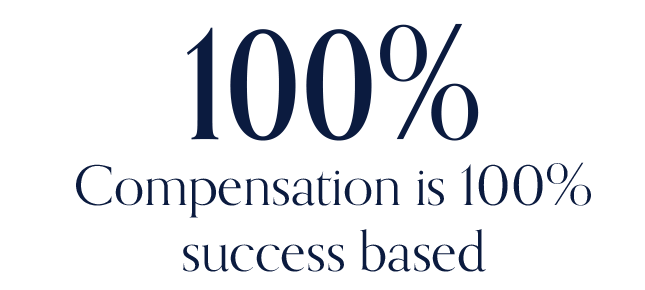
The team brings more than 25 years of Florida transaction experience and has helped over 1,000 business owners. Sailfish charges no upfront fee and is paid only when a transaction closes. That structure keeps attention on the result: a completed transaction on terms the owner understands and accepts.
Selling a Business in Boca Raton FAQ
How long does it take to sell a business in Boca Raton?
Most prepared small-business sales take roughly 6 to 12 months from valuation and preparation through closing. Clean records, realistic pricing, transferable operations, qualified buyers, and organized diligence can shorten the process. Lease, license, financing, or documentation problems can extend it.
What determines the value of a Boca Raton business?
Value depends on supportable cash flow and the risk attached to receiving it. Buyers assess earnings quality, recurring revenue, customer concentration, management depth, owner dependence, margins, growth, contracts, lease terms, assets, and financing support. Location can help attract buyers, but company-specific evidence determines the offer.
Can I keep the sale confidential from employees and competitors?
A controlled process can sharply reduce exposure. Use a blind profile, require an NDA before identifying the company, screen the buyer before releasing detailed records, and disclose sensitive information in stages. Competitors should receive additional scrutiny and only the information appropriate to their stage.
Should I accept the highest offer?
Not automatically. Compare cash at closing, financing certainty, seller notes, earnouts, contingencies, working capital, transition requirements, non-compete terms, buyer fit, and the probability of closing. The strongest offer is the best risk-adjusted result, not simply the largest opening number.
What documents should I prepare before going to market?
Prepare three years of tax returns and financial statements, current-year results, balance sheets, bank and payroll support, an add-back schedule, leases, licenses, contracts, insurance, equipment lists, and employee information. The exact request list depends on the business and transaction structure.
How does Sailfish help with selling a business in Boca Raton?
Sailfish manages valuation, preparation, confidential marketing, NDA control, buyer screening, offer comparison, negotiation, due diligence coordination, and closing support. The process is designed to protect confidentiality and keep the owner’s attention on operating the company while the transaction advances.
Start With a Confidential Boca Raton Sale Plan
The best first step is not announcing that the company is for sale. It is understanding the likely value, buyer pool, preparation needs, risks, and timing while the owner still has options. Use Sailfish Equity Advisors’ Boca Raton business-selling guidance to begin a confidential plan for the business and the outcome you want.
For statewide guidance on valuation, confidentiality, buyer qualification, and closing, visit our Florida business broker guide.