
Reputable Firms for Selling a Small Business in Boca Raton
Compare Boca Raton Brokerage Firms by Process, Not Promises
A reputable firm should explain valuation, confidentiality, buyer qualification, marketing, diligence, fees, and closing support in concrete terms. To evaluate the right representation for your business, schedule a confidential exit-planning conversation.

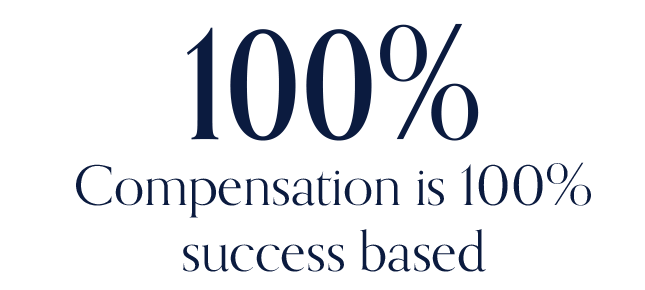


Why Boca Raton Business Owners Choose Sailfish Equity Advisors
25+ Years of Proven Deal Experience
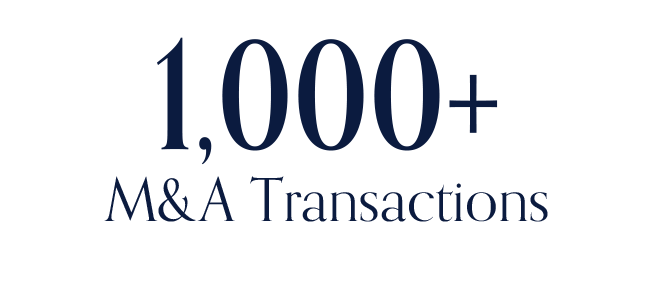
1,000+ Businesses Sold Across Florida
Confidential, Strategic Sale Process
Access to a Qualified Buyer Network
Maximized Valuation Through Positioning
Industry Experience Across High-Demand Sectors
Deal Structuring Expertise
Hands-On Guidance From Start to Finish
Deep Local Market Knowledge in South Florida
Built for Results—Not Just Listings
1,000+ Florida Business Owners Trust Us
Real stories from owners who sold, scaled, and succeeded with Sailfish.
Now is the Perfect Time to Sell Your Business in Boca Raton, FL:





What Small Business Owners in Boca Raton Get Wrong When Choosing a Brokerage Firm
A Boca Raton restaurant owner spent seven months listed with one of the largest regional brokerage firms in South Florida. He had done what most sellers do: Googled the biggest names, read the marketing materials, met with the principal who ran the pitch, and signed based on the firm's brand recognition and the confidence of the person across the table.
Three weeks after signing, his listing was handed to a junior associate managing 24 other deals. The associate had never closed a transaction in his revenue range. The CIM was generic. The buyer inquiries that came in were unqualified. By month five, two of his key employees had started updating their resumes, sensing something was off. By month seven, he pulled the listing.
He eventually sold through a smaller, Florida-focused firm at a price within 4% of his original ask. The entire process took less than eight months from re-listing to close. The difference wasn't the market. The market hadn't changed. The difference was the firm.
Finding reputable firms for selling a small business in Boca Raton starts with understanding that reputation in this context is not about brand size, office location, or the number of listings on a firm's website. It is about their track record with the specific deal profile you represent: a small business with real cash flow, an owner-operator model, and a valuation that most large firms quietly deprioritize in favor of bigger fees.
Name Recognition Is Not the Same as Deal Experience
The most recognizable brokerage firms in South Florida built their names on volume. They list hundreds of businesses at a time across dozens of markets. That scale creates marketing reach, but it also creates something most sellers don't think to ask about until it's too late: a tiered attention model where the deals most likely to generate the largest fees receive the most focus.
A small business in Boca Raton with $400,000 in seller's discretionary earnings and an asking price of $1.2 million is not the same priority as a lower middle market deal at $8 million. The commission math is different. The associate assigned to your deal reflects that math.
Seller's discretionary earnings, for context, is the total cash flow available to a new owner. It starts with net profit and adds back the owner's salary, personal expenses run through the business, one-time costs, and non-cash charges like depreciation. For most small businesses in Boca Raton, SDE multiples run between 2.0x and 3.5x, depending on industry, growth trajectory, owner dependence, and the quality of the revenue. That multiple range defines your deal. A firm that doesn't specialize in it shouldn't be your first call.
A reputable firm for your deal size is one where the person running your listing has closed transactions in your range repeatedly, understands the buyer profile that closes SBA-financed deals versus cash deals, and can tell you from experience what a qualified buyer for your specific business type looks like in Palm Beach County. That knowledge doesn't come from a firm's website. It comes from closing dozens of deals that look like yours.
The Firm That Wins the Listing Is Not Always the Firm That Closes It
The intake meeting is a sales call. Most sellers don't fully register that until they're three months into a listing that isn't moving.
A brokerage firm that wants your listing will tell you what you need to hear to sign. Your business is well-positioned. The market is active. Their buyer network is extensive. Their marketing is proven. All of that may be technically true and operationally meaningless for your specific deal. The question is not whether the firm has closed deals. The question is whether they have closed deals that look like yours, in your market, at your price point, with your buyer profile.
Ask directly: how many transactions did you close last year in the $500,000 to $2 million range in Palm Beach County? Who specifically will manage my listing? What does that person's closed transaction history look like? A reputable firm answers those questions without hesitation. A firm optimizing for listings over closings will redirect to their broader track record, their national platform, or their total transaction volume across all deal sizes.
There is also the minimum fee issue, which almost no seller thinks to ask about. Some larger brokerage firms charge a minimum commission floor of $25,000 to $40,000 regardless of the final sale price. On a $450,000 transaction, that minimum can consume 6 to 9% of the seller's net proceeds before any other costs are factored in. Read the listing agreement carefully before you sign. Ask what the minimum fee is. If the firm is uncomfortable with that question, that discomfort is information.
Small Business Sales Require a Different Skill Set Than Mid-Market M&A
Selling a small business in Boca Raton is not a scaled-down version of a mid-market acquisition. It is a different process with a different buyer profile, a different financing structure, and a different set of deal risks.
Most small business buyers are individuals, not institutional investors. They are first-time buyers using SBA financing, experienced operators looking for a second or third acquisition, or semi-retired executives who want an owner-operator business they can grow. The pitch to that buyer is nothing like the pitch to a private equity firm evaluating platform acquisitions. The due diligence they run is different. The concerns they bring to the table are different. The transition structure they need is different.
A broker who comes from a mid-market M&A background and occasionally handles small business deals is not the same as a broker who has built their practice around the $500,000 to $3 million range. The CIM looks different. The buyer screening process looks different. The way due diligence is managed looks different. And the way a deal gets resurrected when an SBA appraisal comes in low, which it does more often than most sellers expect, looks very different.
Over 25 years working with Florida business sellers, the pattern is clear: small business sellers who hire firms with genuine depth in their deal size close faster, encounter fewer surprises in due diligence, and walk away with a final price closer to what they listed at. The specialization is not a marketing claim. It is a structural advantage in a sale process that has very little margin for inexperienced handling.
The Valuation Conversation That Separates Reputable Firms from Opportunistic Ones
A firm that agrees with your asking price to win the listing is not doing you a favor. They are prioritizing their signed agreement over your outcome.
Overpriced listings sit. A small business in Boca Raton that has been listed for more than nine months without closing starts to look like damaged goods to serious buyers, even when nothing is actually wrong with the business. Buyers assume problems were uncovered and not disclosed. They assume the seller is difficult or the financials didn't hold up under scrutiny. Re-listing with a different firm at a reduced price is harder than most sellers anticipate because the market has already seen the deal and moved on.
A reputable firm walks you through the valuation math before the listing agreement is signed. They explain what SDE looks like for your specific financials, which add-backs are defensible and which ones a buyer will push back on, and what the realistic multiple range is for your business type in the current Palm Beach County market. They also tell you, honestly, if your number is too high and what you would need to change about the business to command it.
That conversation is uncomfortable when you've been carrying a number in your head for three years. It is also the conversation that protects you from a prolonged listing, a price reduction, and a sale that closes below what you could have received if the pricing had been right from the start. Firms that skip it are selling you the engagement. Firms that have it are earning their commission.
Why Confidentiality Protocols Matter More in Small Business Sales
Boca Raton is a connected market. Vendors, competitors, commercial landlords, and key customers in any given industry often know each other, do business together, or share professional circles. A confidentiality failure in a small business sale here doesn't just create awkward conversations. It can trigger real operational damage before the deal is anywhere close to closing.
A vendor who learns the business is for sale may renegotiate terms. A key employee who hears rumors may update their resume before you've had the chance to tell them yourself. A major customer who gets wind of a potential ownership change may quietly begin sourcing alternatives. None of that shows up in the deal until it's already done damage.
A reputable firm has a written confidentiality protocol, not a verbal assurance. That protocol defines exactly how your business is marketed without being identified, who controls the information flow after an NDA is signed, how buyer inquiries are screened before financials are released, and what happens if a buyer or their representative breaks confidentiality. Ask to see it. If the firm doesn't have a written protocol, that absence is a signal about how seriously they take the operational risks of small business confidentiality in a tight market.
Having worked through hundreds of Florida small business exits, the confidentiality failures that cause the most damage are not the obvious ones. They are the slow leaks: the buyer who mentioned the deal to a mutual contact, the associate who left a document visible during a coffee meeting, the listing that was just specific enough that a competitor could identify the seller without a name ever appearing. A firm's confidentiality track record is harder to verify than their transaction history, but it is equally important to ask about.
What a Reputable Firm's Buyer Network Actually Looks Like in Palm Beach County
Every brokerage firm will tell you they have an extensive buyer network. That claim is nearly impossible to verify from the outside and nearly meaningless without context.
What actually matters is whether the firm has relationships with buyers who have closed deals at your size and in your market. A buyer database of 10,000 contacts means very little if the buyers relevant to your deal are buried in a list that gets a generic email blast. A network of 300 active buyers who have been screened, qualified, and matched to deals by deal size, industry, and geography is worth more than any number a firm quotes you in a pitch.
For small business sales in Boca Raton, the most relevant buyer types are individual operators using SBA financing, experienced buyers on their second or third acquisition, and semi-retired executives looking for businesses in the $500,000 to $3 million range. Ask the firm: how many buyers in your network have closed a deal in the last 12 months in Palm Beach County at my deal size? What SBA lenders do you have relationships with, and can those lenders pre-qualify a buyer before an LOI is submitted? How quickly can you identify the five most qualified buyers for my business after we list?
A firm that can answer those questions specifically is building a deal. A firm that redirects to their total database size or their marketing reach is describing an activity, not an outcome.
The Due Diligence Support Gap Most Sellers Don't Discover Until It's Too Late
Serious buyers run 30 to 60 days of due diligence after an LOI is signed on a small business. That window is where most deals that fall apart actually fall apart. Not because the business was misrepresented, but because the seller was unprepared for the depth and speed of a qualified buyer's scrutiny.
A buyer's due diligence request list typically includes three years of tax returns, monthly P&L statements, bank statements, customer contracts, vendor agreements, lease documents, equipment lists, and a detailed breakdown of all add-backs. If any of those items is missing, disorganized, or inconsistent with what appeared in the CIM, the buyer's attorney starts flagging issues. Some buyers renegotiate. Some walk. Neither outcome is good for a seller who has already signed an LOI and mentally committed to closing.
A reputable firm does pre-diligence work before the listing goes live. They review your financials for consistency, identify the add-backs that need documentation, flag any contracts with change-of-control provisions that could complicate a transfer, and make sure your lease is assignable. That work takes time. It occasionally delays the listing. It almost always protects the deal.
The firms that skip this step are not saving you time. They are moving the risk forward to the worst possible moment: after a buyer is engaged, an LOI is signed, and your employees and customers are one rumor away from knowing something is happening.
How to Verify a Firm's Reputation Before You Sign Anything
Reputation in business brokerage is not self-reported. It is verified through specific questions that a firm with real experience answers without hesitation and a firm building its reputation around marketing deflects.
Ask for three closed transactions in the past 18 months at your deal size in Palm Beach County. Ask for the original asking price and the final sale price on each. Ask who managed the deal. Ask what the primary buyer challenge was and how it was resolved. A firm with genuine small business experience in Boca Raton can walk through that information in a 20-minute conversation. A firm that struggles to provide it is telling you something important about their actual track record in your market.
Ask about their listing-to-close ratio. What percentage of the listings they take actually close? High-volume firms that list aggressively and close selectively have lower ratios. Firms with rigorous intake standards, honest valuation conversations, and strong pre-listing preparation tend to close a much higher percentage of what they list. That ratio, more than any marketing claim, reflects the firm's actual operating model.
Ask about the listing agreement terms specifically. How long is the exclusive period? What are the conditions for early termination if the listing isn't producing qualified activity? What is the minimum commission fee? What happens if you find your own buyer? These questions do not make you a difficult seller. They make you an informed one. Any firm worth hiring should welcome them.
What the Right Firm Does Before You Ever List
The firms that earn the strongest reputations among small business sellers in Boca Raton are not the ones with the loudest marketing. They are the ones whose sellers arrive at closing feeling like the process went the way they were told it would go.
That outcome starts well before the listing. It starts with a financial review that identifies problems while there is still time to fix them. It continues with a valuation conversation that is honest rather than flattering. It requires a buyer screening process that protects confidentiality and filters out the inquiries that will never convert. And it depends on a firm that has enough experience with your deal size to anticipate the friction points that derail transactions and address them before they become deal-killers.
Most small business sales in Florida take six to twelve months from listing to close. Sellers who enter that window with the right firm and the right preparation spend that time moving toward a close, not wondering why the phone isn't ringing. The difference in outcome between a well-prepared seller with the right firm and an unprepared seller with the wrong one is not marginal. It is often the difference between a deal that closes and one that quietly expires.
If you're evaluating firms to sell your small business in Boca Raton, the most useful first step is a confidential conversation about where your deal actually stands. Sailfish Equity Advisors works with a select number of Florida sellers at a time, with a focus on small and lower middle market businesses across Palm Beach County and South Florida. Every engagement starts with an honest assessment of valuation, preparation gaps, and timeline before any listing agreement is signed. You can start that conversation through our reputable business broker in Boca Raton page. No pitch. No pressure. Just a clear picture of what your business is worth and what it needs before you go to market.
The sellers who avoid the mistakes in this article are the ones who asked the right questions before they signed. Start there.
For statewide guidance on valuation, confidentiality, buyer qualification, and closing, visit our Florida business broker guide.