
Sarasota Business Sale Mistakes: 8 Problems That Reduce Price or Delay Closing
Fix Sarasota Sale Problems Before Buyers Find Them
Sarasota owners can protect price and timing by correcting financial, operational, buyer-screening, and disclosure problems before the business reaches the market. To assess your preparation, schedule a confidential exit-planning conversation.




Thinking About Selling Your Business?
Find Out What Your Business is Worth!
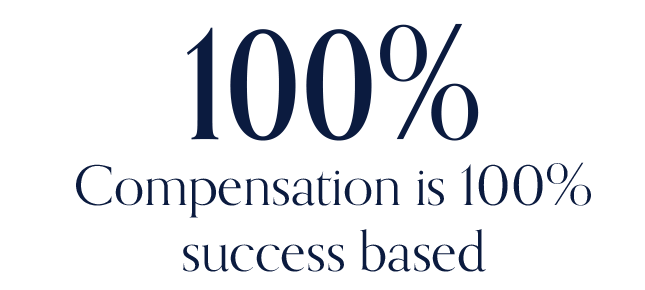
25+ Years of Success: Exclusive Buyers. Maximum Value. Zero Upfront Fees.
- ✓92% Success Rate – Proven expertise in closing efficiently.
- ✓Sell in as Fast as 90 Days – A streamlined, efficient process.
- ✓100% Confidential Sales – Protecting your business.
- ✓Multiple Competitive Offers – Serious buyers waiting.

Why Sailfish Prepares Sarasota Sellers Before the Market Tests Them
• We normalize seasonality, owner dependence, and concentration before valuation.
• We review leases, licenses, working capital, and buyer financing early.
• We protect confidentiality in Sarasota's relationship-driven business community.
• We manage the process through diligence, negotiations, and closing.
1,000+ Florida Business Owners Trust Us
Real stories from owners who sold, scaled, and succeeded with Sailfish.
Now is the Perfect Time to Sell Your Business in Sarasota, Florida:





The Sarasota Pre-Sale Risk Review: Eight Mistakes Buyers Will Notice
Sarasota businesses often combine strong local demand with seasonality, owner relationships, tourism exposure, and valuable locations. Those strengths can support a sale, but they must be documented. Buyers reduce price when they cannot separate sustainable performance from temporary conditions.
Mistake 1: Annualizing the best season
A strong winter or tourist season does not automatically represent full-year earning power. Present monthly revenue, gross profit, staffing, and working capital for at least three years. Explain how resident demand, seasonal visitors, weather, and event activity affect each service line.
Mistake 2: Ignoring customer and channel concentration
A company may serve many end customers while relying on one hotel group, property manager, builder, referral partner, or digital platform. Show revenue and gross profit by relationship and channel. Buyers care about who controls the demand and whether that relationship transfers.
Mistake 3: Leaving the owner's role undefined
Document who sells, prices, schedules, buys, hires, manages important accounts, and resolves problems. If the owner personally holds the company's reputation and relationships, create an introduction and delegation plan before marketing.
Mistake 4: Assuming the lease will transfer
Location can be central to the value of a Sarasota restaurant, retailer, medical office, salon, or hospitality business. Review lease term, options, assignment rights, change-of-control language, rent increases, personal guarantees, and landlord consent. A desirable site is valuable only when the buyer can use it on workable terms.
Mistake 5: Overstating add-backs
Buyers and lenders require evidence that an expense is owner-specific, nonrecurring, or unnecessary. Family payroll, vehicles, travel, rent, and one-time repairs need documentation and a realistic replacement-cost analysis.
Mistake 6: Hiding deferred investment
Worn equipment, delayed maintenance, technology gaps, and understaffing can inflate recent cash flow. Buyers will estimate the capital needed after closing. Address major items or disclose them with a cost and timing plan.
Mistake 7: Failing to qualify buyers
Interest does not equal capacity. Verify relevant experience, liquidity, financing approach, timing, and motivation before sharing sensitive information. This protects confidentiality and reduces time lost to buyers who cannot close.
Mistake 8: Comparing price without structure
Evaluate cash at closing, financing contingencies, seller notes, earnouts, working-capital adjustments, escrow, transition, and post-closing obligations. A higher price tied to uncertain future performance may be less valuable than a well-supported offer.
Sarasota example: a coastal home-services business may report exceptional revenue during a year of heavy relocation and storm-related demand. A buyer will compare that year with recurring maintenance contracts, technician capacity, lead sources, monthly margins, and customer retention. Documented recurring demand supports value; an unexplained spike creates a discount.
Frequently asked questions
How should a seasonal Sarasota business be valued? Use normalized annual earnings supported by monthly trends, capacity, repeat customers, and an explanation of unusual periods.
When should the landlord be contacted? Review the lease first and coordinate timing carefully. Premature contact can compromise confidentiality, while late contact can delay closing.
Should a seller fix every weakness? No. Prioritize issues that affect earnings reliability, legal continuity, customer retention, operating capacity, and buyer financing.
What is the best protection against renegotiation? Accurate information, early disclosure of material issues, organized evidence, and a qualified buyer with a realistic financing plan.
Related guide: Sarasota business broker guidance
What Sarasota Business Owners Get Wrong Before Selling
From Sarasota’s downtown corridors to Lakewood Ranch, Venice, Siesta Key, Longboat Key, and across Sarasota County, the same pattern shows up again and again: solid businesses lose value right before they sell.
Not because they are bad businesses. Because they are not prepared for how buyers actually think.
A Sarasota business broker helps owners sell by managing valuation, confidentiality, buyer screening, and deal structure. But the real advantage is earlier than that—preventing the mistakes that quietly reduce price, delay closing, or kill deals entirely.
Most owners don’t struggle to find interest. They struggle to turn interest into a closed deal at the right price.
The Real Problem: Owners Don’t Sell What Buyers Are Buying
Owners sell:
effort
relationships
reputation
history
Buyers buy:
cash flow
transferability
risk profile
future earnings
That mismatch is where most mistakes begin.
A business is not valued by how hard it was to build. It is valued by how easily it can be bought, financed, and run by someone else.
Mistake #1: Selling Before the Business Is Ready
Timing is the most expensive mistake.
Many Sarasota owners decide to sell when:
they are burned out
ready for retirement
dealing with staffing stress
or reacting to personal life changes
That urgency leads to rushed decisions:
incomplete financial cleanup
weak documentation
no transition planning
pricing based on emotion instead of structure
The best exits are usually prepared before the owner is desperate to exit.
Because buyers can sense urgency—and they price it in.
Mistake #2: Mispricing the Business Without Understanding SDE
Most small businesses in Sarasota are valued using a cash flow lens, not revenue.
Many small businesses sell based on a multiple of Seller’s Discretionary Earnings, also called SDE.
Seller’s Discretionary Earnings, or SDE, is the cash flow a full-time owner-operator could reasonably expect to receive from the business before certain owner-specific or discretionary expenses.
Buyers then apply a multiple based on:
risk
industry
growth potential
customer stability
transferability
Owner-operated service businesses may trade around 1.5x to 3.5x SDE depending on structure and demand.
The mistake is not just misunderstanding value—it’s failing to understand what drives the multiple up or down.
Mistake #3: Weak Financial Storytelling
Buyers don’t reject businesses because numbers are “bad.”
They reject them because numbers don’t make sense.
Common issues:
inconsistent profit margins year to year
unclear owner add-backs
personal expenses mixed into operations
missing documentation for adjustments
Clean add-backs can increase stated SDE, but unsupported add-backs reduce trust immediately.
And in a deal, trust is currency.
Without it, everything becomes negotiable downward.
Mistake #4: Owner Dependence That Scares Buyers
This is one of the biggest valuation killers.
If the owner:
runs operations daily
is the main salesperson
handles customer retention personally
makes all key decisions
Then the business is not transferable.
Buyers start asking:
“What happens when the owner leaves?”
If the answer is unclear, risk goes up. Value goes down.
A business with documented processes and a capable team is worth more than a business that depends on heroics.
Mistake #5: Customer Concentration Risk
Buyers are extremely sensitive to concentration.
Customer concentration above 20% to 30% with one customer can become a serious concern.
Even if revenue looks strong, buyers discount risk when:
one contract dominates income
one referral source controls growth
one relationship drives profitability
This is especially common in Sarasota’s B2B service and construction-adjacent businesses.
Diversification is not just stability. It is valuation protection.
Mistake #6: Not Thinking Like a Buyer
Owners ask:
“What is my business worth?”
Buyers ask:
Can I run this?
Can I finance it?
Can I grow it?
What can go wrong?
How do I exit later?
Sellers value the past. Buyers pay for the future.
If the future is unclear, buyers discount the price—or walk away.
Mistake #7: Poor Confidentiality Control
Confidentiality is not optional in a Sarasota business sale. It is structural.
A leak can lead to:
employee uncertainty
competitor pressure
customer churn
vendor tightening terms
And once confidence breaks inside the business, performance often follows.
Confidentiality is not about secrecy for its own sake. It is about protecting enterprise value while the deal is still uncertain.
Mistake #8: Assuming Market Listings Will Create Competition
A listing does not create value. Positioning does.
Without proper framing:
good businesses get overlooked
average buyers dominate conversations
pricing pressure increases
deals drag through due diligence
The strongest outcomes come from structured positioning, not passive exposure.
Buyer Lens: How Sarasota Buyers Evaluate Businesses
Buyers are consistent in what they analyze:
Cash flow stability
Risk exposure
Owner dependence
Customer concentration
Employee retention
Financial clarity
Recurring revenue quality
Growth runway
Transition planning
Financing feasibility
Downside protection
This is why two businesses with similar revenue can sell for very different prices.
One feels predictable. The other feels fragile.
Sarasota Industry Reality: What Buyers Reward
Different industries in Sarasota behave differently—but buyers apply the same logic.
Recurring revenue businesses tend to attract strong interest:
pool service
pest control
HVAC
landscaping
janitorial
commercial cleaning
Predictable income reduces buyer risk.
Skilled trade businesses are in steady demand:
plumbing
roofing
electrical
flooring
restoration
construction services
These are often capacity-constrained, which creates growth upside.
Service and professional businesses require careful structuring:
medical practices
consulting firms
agency-style businesses
Buyers worry about owner dependence and relationship concentration.
Restaurants and retail in Sarasota require extra scrutiny:
lease structure
seasonality
labor stability
brand strength
location performance (especially near Siesta Key, downtown Sarasota, and Bradenton corridors)
Tourism helps—but seasonality must be understood.
What Happens When Mistakes Stack Up
One issue rarely kills a deal.
Stacking issues does.
Example:
unclear financials
high owner dependence
weak customer diversification
poor buyer screening
That combination leads to:
lower offers
extended due diligence
financing friction
renegotiation pressure
or deal collapse
The wrong buyer can cost months of time.
How Sailfish Helps Sarasota Owners Avoid These Mistakes
Most business owners don’t need more exposure. They need preparation before exposure.
That is where structure matters.
Sailfish Equity Advisors brings 25+ years of business experience and has supported over 1,000 Florida business owners through valuation, preparation, and sale processes.
The focus is simple:
Turn owner knowledge into buyer confidence.
That includes:
clarifying real SDE and earnings quality
separating strong vs weak add-backs
identifying buyer risks before the market sees them
structuring confidentiality and buyer screening
improving transferability before listing
shaping the growth story buyers actually pay for
In Sarasota and surrounding Gulf Coast markets, where many businesses are owner-operated, preparation often determines whether a business sells at a discount—or sells cleanly with competition.
That is the difference between interest and a closing.
For owners beginning to think seriously about exit options, the first step is often a confidential conversation with a qualified advisor. You can learn more about working with a structured Sarasota business broker here:
Sarasota business broker guide
Final Takeaway
Most Sarasota business owners don’t lose value because of poor businesses.
They lose value because of preventable mistakes:
timing
financial clarity
buyer misunderstanding
weak transferability
poor confidentiality discipline
Fix those early, and everything changes.
Because buyers aren’t buying what you built.
They are buying what they believe they can safely own next.
For statewide guidance on valuation, confidentiality, buyer qualification, and closing, visit our Florida business broker guide.