
Red Flags When Choosing a Business Broker in South Florida
Recognize Broker Red Flags Before They Put Your Sale at Risk
Vague valuation claims, weak confidentiality controls, poor buyer screening, hidden fees, and no diligence plan can undermine a South Florida transaction. To compare representation against a disciplined sale process, schedule a confidential exit-planning conversation.




Why South Florida Owners Use Sailfish to Evaluate Broker Fit
• Valuation rationale explained in writing
• Clear engagement and fee terms
• Buyer-qualification standards
• Confidential marketing controls
• Defined diligence and closing support
• Measurable communication expectations
1,000+ Florida Business Owners Trust Us
Real stories from owners who sold, scaled, and succeeded with Sailfish.
Now is the Perfect Time to Sell Your Business in South Florida:





How to Avoid the Most Common Mistakes When Hiring a South Florida Business Broker for Your Business Sale
Selling a business in South Florida is one of the biggest financial decisions a small business owner will ever make. The broker you choose will either protect that process or quietly undermine it. Most owners spend more time vetting a contractor than vetting the person they are trusting with the sale of their life's work.
That is a problem worth fixing before you sign anything.
The South Florida market runs deep across Miami-Dade, Broward, and Palm Beach County — pest control routes, pool service companies, roofing contractors, medical practices, janitorial firms, B2B service businesses, and everything in between. Buyers are active. Deals are getting done. But a bad broker choice can cost you months, compromise your confidentiality, and leave real money on the table.
Here is what to watch for.
The Broker Who Leads With a High Valuation Number
This is the oldest move in the business brokerage playbook and it happens constantly. A broker quotes you an inflated valuation to win the listing, knowing the market will not support that number. You feel good about it. You sign. And then six months later the business has been sitting with no serious offers, your employees are starting to hear whispers, and the broker is now suggesting a price reduction.
This practice is sometimes called buying a listing. It is not a strategy. It is a tactic that benefits the broker at your expense.
A legitimate broker will show you exactly how they arrived at a valuation. Most small businesses are valued using a multiple of Seller's Discretionary Earnings — the total cash flow a full-time owner-operator could reasonably expect to receive before certain owner-specific or discretionary expenses. Owner-operated service businesses in South Florida typically trade in a range of 1.5x to 3.5x SDE depending on industry, transferability, financial quality, and buyer demand. Where your business sits within that range depends on specific, defensible factors — not optimism.
The broker should be able to explain the comparable sales that inform the number, the buyer pool likely to pursue your category, and what adjustments buyers will scrutinize during due diligence. If the valuation conversation feels more like a compliment than an analysis, that is a red flag.
Sellers value the past. Buyers pay for the future. A valuation that does not hold up under real buyer scrutiny is not a valuation. It is a sales pitch.
No Structured Process for Protecting Confidentiality
This is the concern that keeps South Florida business owners up at night, and rightfully so. You do not want employees finding out through the grapevine and starting to update their resumes. You do not want a competitor calling your top customer after spotting your business on a public listing site. You do not want your landlord, your lender, or a key vendor hearing about the sale before you have made a deliberate decision to tell them.
A broker without a structured confidentiality process is not just a mild inconvenience. It is a genuine threat to the value of your business and the relationships you have spent years building.
Ask directly: how do you protect seller confidentiality from the day we go to market through closing? The answer should be specific. It should include a blind profile that describes the business without identifying it, a signed non-disclosure agreement required before any sensitive materials are released, buyer qualification before financials are shared, and a controlled information release process that escalates only as buyer seriousness is confirmed and verified.
If the broker gets vague, treats confidentiality as a formality, or cannot explain the actual steps in their process, that tells you what you need to know. Protecting your employees, your customers, and your reputation is not a nice-to-have. It is the job.
They Cannot Explain How They Qualify Buyers
A listing is not a strategy. Posting your business on an aggregator site and waiting for inquiries is order-taking. The brokers who actually protect their sellers are the ones who control who gets access to information and when.
The most expensive mistake a seller can make is spending three or four months going back and forth with a buyer who was never in a position to close. Curiosity buyers, unqualified buyers, buyers who want your financial records but have no real capital or financing lined up — these are not just frustrating. They are a direct threat to confidentiality and a serious drain on the energy you need to keep running your business during the sale process.
Ask every broker you interview: what do you require from a buyer before they receive financials? How do you verify financial capacity? What does your qualification process look like before you put a buyer in front of a seller?
A broker who has been through this process can answer those questions without hesitation. A broker who has not will give you something vague about screening interested parties and managing inquiries. Those are not the same thing. The wrong buyer can waste months. The right process filters them out early, before they ever see your profit-and-loss statement.
They Have Never Sold a Business Like Yours
Business brokerage is not a single skill set. A broker who primarily handles commercial real estate, large corporate transactions, or franchise resales may not be equipped to sell your owner-operated pool service company, your physical therapy practice, or your electrical contracting business.
Small and lower-middle-market businesses in South Florida are different. Many are owner-led and financially structured in ways that require careful add-back analysis, buyer education, and positioning work that a generalist broker may not have done before. Seller's Discretionary Earnings calculations require understanding the nuances of owner compensation, personal expenses run through the business, non-recurring costs, and non-cash charges. A broker who cannot walk you through your own SDE number confidently is not prepared to defend it to a skeptical buyer.
Buyers typically want three years of financials. They will study those numbers carefully, and so will their accountants and advisors. Clean add-backs with documentation support a stronger valuation. Weak or unsupported add-backs create buyer skepticism and can stall or kill a deal during due diligence. The broker you choose needs to understand the difference and be able to present your financials in a way that builds buyer confidence rather than triggering questions.
Ask for transaction history specifically in your industry or business category. Not years in the business generally. Actual closed deals in companies that look like yours, at a similar size, with a similar buyer profile.
Vague or One-Sided Listing Agreements
Before you sign with any South Florida broker, read the listing agreement carefully and ask questions about every term that is not crystal clear.
An excessively long exclusivity period with no accountability benchmarks gives the broker time without giving you any recourse if activity stalls. A typical business sale can take anywhere from 6 to 12 months depending on price, industry, financing requirements, and due diligence complexity. That timeline is real, and exclusivity during an active sale process is reasonable. What is not reasonable is a multi-year exclusive with no defined milestones and no way to exit if the broker stops performing.
Watch for tail clauses — provisions that entitle the broker to a commission after the agreement ends if the buyer was introduced during the listing period. These can be legitimate, but the scope, definition of introduction, and duration of the tail should be specific and fair. A tail clause written too broadly means you could owe commission to a broker you have already parted ways with.
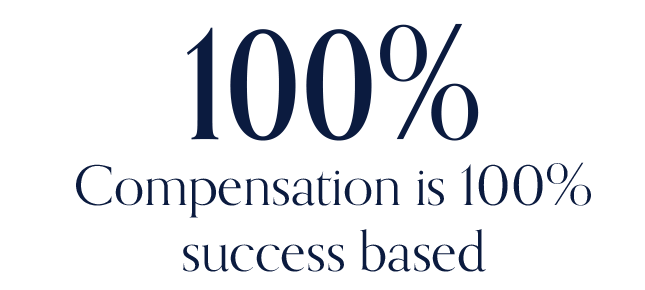
Also understand how commission is structured. Sailfish’s approved schedule is 10% on the first $1 million, 8% on the second $1 million, 6% on the third $1 million, and 4% on both the fourth and fifth $1 million. A skilled broker who protects confidentiality, screens buyers, negotiates well, and guides the deal through closing can earn that fee. You should understand the full structure before you sign, not after the deal closes.
If a broker is dismissive of your questions about the agreement, pressures you to sign before you have had time to review it, or cannot explain specific terms clearly, those are signals worth taking seriously.
No Real Marketing Strategy Beyond Listing Sites
Posting your business on BizBuySell or a handful of aggregator sites is a starting point. It is not a marketing strategy. The right buyer for your South Florida business may not be browsing listing sites at all.
They may be a strategic buyer already operating in your industry who wants to expand into your service area or customer base. They may be a private equity-backed operator looking for add-on acquisitions in your category. They may be a qualified individual buyer working with a financial advisor who will only see your business if it reaches them through the right channel. Passive listings alone do not reach these buyers.
Ask the broker directly: beyond listing sites, how do you actively market to buyers who are not already searching for a business like mine? What does your buyer database look like? How do you approach strategic buyers or operators in this category? What does outreach to financial buyers look like in your process?
A broker who has been working in South Florida markets across Miami-Dade, Broward, and Palm Beach County should have a specific, credible answer. Not a promise of broad exposure. An actual approach.
They Go Quiet When the Conversation Turns to Deal Structure
Most small business owners picture a sale as a simple transaction: agree on a number, sign the papers, collect the proceeds. The reality involves more moving parts, and a broker who cannot speak fluently to deal structure is leaving you exposed at the most critical stage of the process.
Deals regularly include components beyond the headline price — seller financing, earnouts tied to post-closing performance, asset versus stock sale elections, non-compete agreements, transition period obligations, and landlord approvals that can affect timing and what you actually walk away with. Understanding which structure protects you and which shifts risk onto the seller requires real transaction experience.
A broker who has closed deals in South Florida should be able to explain how earnouts work and why they create risk for sellers, what a reasonable transition period looks like for your type of business, how to negotiate deal terms beyond price, and what due diligence typically looks like in your category. If the broker talks confidently about valuation and marketing but goes vague when deal structure comes up, you will feel that gap at the negotiating table.
What the Right Broker Actually Looks Like
The broker you want has closed deals in businesses that resemble yours. They can explain SDE clearly, defend your valuation with real data, and walk you through a confidentiality process that protects your employees, customers, and reputation from the first conversation through the final closing.
They qualify buyers before releasing financials. They have a marketing approach that extends beyond passive listings. They know deal structure and can negotiate on your behalf through due diligence, not just through the offer stage. And they can tell you, plainly, what a realistic outcome looks like for a business like yours in this market — not what you want to hear, but what the market will actually support.
The South Florida business brokers at Sailfish Equity Advisors bring 25 years of business experience and have worked with more than 1,000 Florida business owners through the sale process — from initial valuation and preparation through buyer screening, negotiation, and closing. The work is deal-level, not just advisory. That distinction matters when a buyer starts pushing back during due diligence or a deal structure needs to be renegotiated to protect the seller.
Most owners do not have a selling problem. They have a preparation problem. And many have a broker-selection problem. Getting both right is where a successful sale actually starts.
One Last Thing Before You Choose
Talk to more than one broker. Ask all of them the same questions. Watch how they answer — not just what they say, but how clearly and specifically they say it.
The broker who leads with flattery and a number you want to hear is not your advocate. The broker who asks hard questions about your financials, your owner dependence, your customer concentration, your lease situation, and your transition plan is the one actually doing the work of preparing you for a real outcome.
Choosing the wrong broker does not just cost commission. It can cost you confidentiality, months of wasted time with buyers who cannot close, and a final sale price that falls well short of what the business was actually worth to the right buyer.
If you are thinking about selling a small business in South Florida and want a straight conversation about what the process looks like and what your business is realistically worth, reach out to Sa
Frequently Asked Questions About Business Broker Red Flags
Should a broker promise a specific sale price?
A broker should explain the valuation evidence and likely range. An unsupported price guarantee can be a warning sign because buyers and lenders determine what the market will support.
Which listing-agreement terms deserve close review?
Review the term length, cancellation rights, exclusivity, fee triggers, expense obligations, post-termination protections, and exactly which services are included.
How should a South Florida broker qualify buyers?
Qualification should address identity, financial capacity, acquisition criteria, financing plan, industry fit, and willingness to sign confidentiality terms before sensitive records are released.ilfish Equity Advisors for a confidential consultation. No pressure, no inflated projections — just an honest look at where you stand and what a well-run sale process actually requires.
For statewide guidance on valuation, confidentiality, buyer qualification, and closing, visit our Florida business broker guide.