
How to Choose a Business Broker in Broward County
You Built This Business. Now Build the Future You Deserve.
After years of hard work, you've earned the right to sell on your terms — at the right price, to the right buyer, with your legacy intact. South Florida Business Brokers walks beside you through every step, protecting your valuation, your timeline, and your peace of mind so you can close strong and step confidently into what's next.


![1000k-5].png](https://images.squarespace-cdn.com/content/v1/67814271eea53939d2020e65/1752092300664-3TODOMQ33UXMTLDHSM4E/1000k-5%5D.png)


Why South Florida Business Owners Choose Sailfish Equity Advisors
25+ Years of Proven Deal Experience
1,000+ Businesses Sold Across Florida
Confidential, Strategic Sale Process
Access to a Qualified Buyer Network
Maximized Valuation Through Positioning
Industry Experience Across High-Demand Sectors
Deal Structuring Expertise
Hands-On Guidance From Start to Finish
Deep Local Market Knowledge in South Florida
Built for Results—Not Just Listings
1,000+ Florida Business Owners Trust Us
Real stories from owners who sold, scaled, and succeeded with Sailfish.
Now is the Perfect Time to Sell Your Business in South Florida:




What Broward County Business Owners Need to Know Before They Sign With a Broker
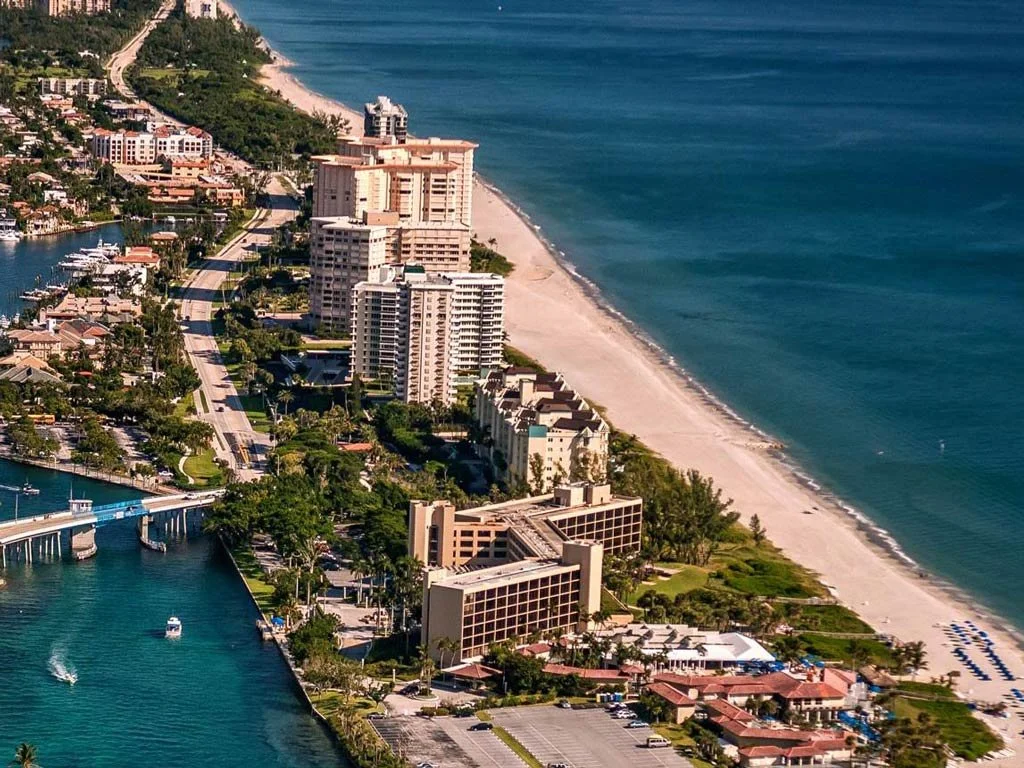
Broward County is one of the most active small business markets in Florida. From Fort Lauderdale's professional services corridor to the trade and construction businesses running through Coral Springs, Pembroke Pines, and Hollywood, the county has a dense concentration of owner-operated companies that change hands every year. Choosing the wrong broker in this market does not just slow your sale down. It can compromise your confidentiality, weaken your negotiating position, and cost you months of your life with nothing to show for it.
The right broker understands this market specifically. They know who the buyers are, how deals in Broward are structured, what buyers in this market will pay for, and how to protect a seller in a business community where industries are connected and information travels fast. Here is how to evaluate one before you sign anything.
What Makes Broward County a Distinct Market for Business Sales
Broward County is not a generic South Florida market. It has its own commercial character, its own buyer pool dynamics, and its own deal patterns that a broker unfamiliar with the county will not recognize until they are already in the middle of a transaction that is moving in the wrong direction.
The county has one of the highest densities of owner-operated trade and service businesses in South Florida. Residential and commercial growth throughout the county has created sustained demand for plumbing, roofing, electrical, HVAC, pest control, landscaping, and general contracting businesses. These are real, durable businesses with recurring customer bases, and they attract consistent buyer interest. But they also tend to be owner-dependent in ways that require specific positioning to sell well.
Fort Lauderdale anchors the county's professional services and hospitality sectors. The suburban corridor from Coral Springs to Pembroke Pines carries a strong concentration of B2B service businesses, healthcare practices, and professional firms. The coastal strip from Hallandale Beach through Deerfield Beach has significant restaurant and food service density. Each of these sub-markets has its own buyer profile, its own valuation dynamics, and its own set of deal friction points.
SBA-financed buyers are the most common buyer type for Main Street businesses in Broward County. That means clean financials and lender-ready documentation are not optional. They are prerequisites for reaching the buyer pool that is most likely to close your deal. A broker who does not understand SBA underwriting requirements is going to run into problems at exactly the wrong stage of the transaction.
Why Broker Selection Is the Most Consequential Decision in Your Sale Process
Most owners spend more time researching a piece of equipment than they do evaluating the person they are about to trust with the sale of their most valuable asset. That is a problem worth naming directly.
The broker you choose determines the valuation methodology used, the buyer pool reached, the confidentiality process applied, the deal structure proposed, and the negotiating position that can be defended when a buyer pushes back. Every downstream outcome in your sale is shaped by this one decision made at the beginning of the process.
A broker who inflates your valuation to win the listing creates a problem you will absorb later in negotiation. A broker who does not have a real confidentiality process exposes your business to employees, customers, and competitors before the deal is anywhere near closing. A broker with a shallow buyer network brings you whoever shows up, not whoever is actually right for your transaction. None of these problems announce themselves at the signing meeting. They show up six months later when you have the least flexibility to address them.
How to Evaluate a Broker's Knowledge of Your Specific Business Type
General brokerage experience is not the same as relevant experience. A broker who has primarily closed restaurant deals in Fort Lauderdale is not automatically qualified to represent a commercial cleaning company in Coral Springs or a staffing firm in Dania Beach. The buyer pools are different. The valuation methodology is different. The deal friction points are different.
Ask the broker to describe deals they have closed that resemble your business in industry and approximate size. Ask them who they expect the likely buyers to be for your type of company and why. Ask them what typically slows deals down in your industry and how they manage those friction points. A broker who knows your deal type answers these questions with specifics. A broker who does not gives you general reassurances.
General reassurances are not a sale strategy. Specificity is. If the broker cannot describe your deal type clearly before you have given them any detailed information, they are planning to learn on your transaction. That learning will happen on your timeline and at your expense.
How to Evaluate a Broker's Valuation Process in Broward County
A broker who hands you a valuation number without explaining the methodology behind it is giving you an opinion dressed up as analysis. That opinion will follow you into every buyer negotiation and every lender conversation throughout the deal.
Most small businesses in Broward County sell based on a multiple of Seller's Discretionary Earnings, or SDE. SDE is the cash flow a full-time owner-operator could reasonably expect to receive from the business before certain owner-specific or discretionary expenses. It is the normalized earnings figure that buyers and their lenders use to evaluate what they are actually acquiring. Owner-operated service businesses in this market typically trade somewhere between 1.5x and 3.5x SDE, depending on the industry, how transferable the business is, the quality of the financial documentation, and the depth of buyer demand for that type of company.
A credible broker should be able to walk you through the SDE calculation, identify which add-backs are defensible and which ones will face buyer or lender scrutiny, explain the industry comps they are using and why, and describe the buyer pool they expect to reach. Clean, documented add-backs increase your stated SDE. Weak or unsupported add-backs do the opposite. They create skepticism that surfaces during due diligence when you have the least room to negotiate.
Buyers in Broward County, particularly those using SBA financing, will have their lenders review the same financial documentation. If the add-backs cannot survive that review, the deal reprices or stalls. Finding that out before going to market is the preparation phase. Finding it out mid-deal is a problem.
What to Look for in a Broker's Confidentiality Process
Broward County is a connected business community. Fort Lauderdale's professional network is active. Trade industries overlap. Word travels between business owners, vendors, and competitors faster than most sellers expect. A confidentiality breach in this environment can reach your employees, your customers, and your competitors before you have any chance to manage the narrative.
Before you sign with any broker, ask them to describe their confidentiality process step by step. A real process has specific stages: how the blind profile is built and what information it excludes, when the NDA is executed and what it covers, what information is released at each stage of buyer qualification, how buyers are screened before receiving financial documents, and how site visits are managed once a serious buyer is identified.
An NDA is the legal minimum. It creates liability for a buyer who breaches it. It does not prevent a breach from happening, and it does not repair the damage caused when one does. The real protection is a screening process that removes unqualified buyers and curiosity buyers before they receive anything sensitive, and a staged information release that limits exposure at every step of the funnel.
A business sale in Broward County typically takes six to twelve months. That is a long window for confidentiality to hold. It requires a process that is built to last, not one that depends on everyone involved exercising perfect judgment.
How to Assess a Broker's Buyer Access and Marketing Reach
A listing is not a marketing strategy. Posting your business on BizBuySell and waiting is a passive activity. It surfaces whoever happens to be searching that day, not the buyers who are most likely to close your deal at the price it deserves.
Ask the broker specifically where they find buyers. Ask whether they have working relationships with SBA lenders active in Broward County deal sizes, connections to search fund buyers and independent sponsors who focus on owner-operated businesses, and outreach capability to strategic acquirers in your industry. Ask how they qualify buyers before releasing your financials and what that qualification process actually looks like in practice.
Buyers typically want three years of financials before they get serious. That information should only reach buyers who have cleared a proper screening process. A broker whose marketing is broad and indiscriminate is distributing your most sensitive financial data to a wide audience with no guarantee of a serious outcome on the other end. The wrong buyer wastes months. They go through preliminary steps, generate information requests, and then either cannot close or choose not to. Every month they occupy in the process is time, confidentiality exposure, and focus you cannot recover.
The right buyer pool is identified and targeted before the listing goes live. Ask how the broker builds that pool for a business like yours. If the answer is vague, so is their plan.
The Industries Driving the Most Buyer Interest in Broward County
Buyer interest in Broward County concentrates in predictable places, and understanding where demand is strong and where it is conditional helps you evaluate whether a broker actually knows the market they are claiming to represent.
Recurring-revenue service businesses draw the most consistent buyer interest. Pest control, pool service, janitorial, commercial cleaning, and landscaping all attract buyers who prioritize predictable cash flow. When these businesses also have trained staff and a functioning operational structure, multiples reflect the reduced transition risk. A business with a manager in place who runs day-to-day operations is meaningfully more attractive to buyers than one where the owner handles every major function personally.
Skilled trade businesses including plumbing, roofing, electrical, flooring, and restoration are in strong demand across Broward because the barriers to entry are real and the service need driven by the county's ongoing residential and commercial development is durable. Valuation in these businesses hinges almost entirely on owner dependence. A roofing company where the owner manages all the estimating, holds the key contractor relationships, and approves every job is a different asset than one with a licensed superintendent and a crew structure that functions without the owner on site.
Professional services and healthcare practices are among the most valuation-sensitive categories because owner dependence risk is highest here. The more the practice depends on the owner's personal relationships, referral network, or clinical presence, the harder the transition story becomes. Customer or referral source concentration is a related concern: if one client or referral relationship accounts for more than 20 to 30 percent of revenue, buyers will either price that risk into the offer or structure around it with earnout provisions.
Restaurants and food service businesses in Broward attract genuine buyer interest, but the conditions that create real value are specific. Buyers study lease quality, labor costs, margins, brand strength, and team structure before they look at anything else. A restaurant with a general manager who runs the floor, a favorable lease with renewal options, and a brand that exists beyond the owner's personal presence is a different deal than one where the owner is the chef, the floor manager, and the only reason customers come back.
What to Review in the Broker Agreement Before You Sign
The broker agreement is not a formality. Every term in it has a consequence, and you should understand each one before you sign.
The exclusivity period determines how long you are obligated to this broker regardless of performance. Ask what performance milestones are built into the agreement and under what conditions you have the right to exit the relationship if those milestones are not being met. A broker asking for a twelve-month exclusive without any accountability structure is asking you to trust them based entirely on what they said in the initial meeting.
Business broker commissions for smaller Main Street transactions often range from 8 to 12 percent of the sale price. Before you agree to that number, understand what it covers. Ask what marketing the broker is committing to in writing, what their process looks like across each stage of the sale, and what level of involvement you should expect from them specifically versus support staff.
Review the tail provision carefully. If a buyer is introduced during the engagement period and a deal closes after the agreement ends, the commission is typically still owed. That is standard. What you want to understand is how broadly the broker defines the buyers they introduced and over what timeframe the tail applies.
Ask questions about every term you do not fully understand. A broker who is visibly impatient with that process is showing you exactly how they will handle friction later in the deal, when the stakes are much higher.
What Sailfish Equity Advisors Brings to Broward County Sellers
Selling a business in Broward County requires more than a broker with a license and a listing platform. It requires someone who understands the specific buyer pool active in this market, the deal structures that work for the business types common here, the confidentiality risks that exist in a connected business community, and the valuation methodology that holds up when a buyer's accountant and lender start asking hard questions.
Sailfish Equity Advisors brings 25 years of business experience and has helped more than 1,000 Florida business owners prepare, position, and close the sale of their companies. As South Florida business brokers working across Broward County, Miami-Dade, and Palm Beach County, the team at Sailfish understands the specific deal dynamics, buyer profiles, and business types that define this market. Every engagement starts with a confidential valuation conversation, not a listing agreement, because the preparation phase is where value is protected or lost.
Sellers value the past. Buyers pay for the future. The broker's job is to close the gap between those two positions, and that work starts before a buyer ever enters the room.
What I Would Ask Before Signing With Any Broward County Broker
Treat the broker evaluation conversation as seriously as you would a buyer negotiation. Go in with specific questions and evaluate the answers with the same skepticism you would apply to any other business decision.
Ask them to describe a deal they closed recently that is comparable to yours in industry and size. Ask them to walk you through how they calculate SDE and which add-backs they believe will hold up under buyer and lender review. Ask them to describe their confidentiality process step by step, from blind profile through site visit. Ask them who the likely buyers are for your business, how they will reach them, and how they qualify buyers before releasing your financials. Ask them what the broker agreement includes, what the exclusivity period is, and what your options are if performance is not meeting expectations.
Listen for specificity. A broker who knows your market and your deal type gives specific answers because they have done this before in deals like yours. A broker who does not know your market gives frameworks, reassurances, and confident generalities. Confident generalities are not a sale strategy.
Also pay attention to whether the broker tells you what you want to hear or what you need to know. A broker who inflates your valuation to win the engagement is not acting in your interest. They are setting up a negotiation where buyers reprice the deal later and you absorb the gap. The broker who gives you an honest valuation, explains the add-backs that will and will not hold up, and tells you what preparation the business needs before it goes to market is the one actually working for you.
Most owners do not have a selling problem. They have a transferability problem and a process problem. The right broker in Broward County addresses both before the first buyer inquiry arrives.
Talk to Sailfish Before You Sign With Anyone in Broward County
If you are evaluating business brokers in Broward County, start with a confidential conversation before you commit to anything. Sailfish Equity Advisors works with small business owners across Broward County and South Florida to build honest valuations, prepare businesses for sale, reach the right buyers, and protect confidentiality throughout a process that may take six to twelve months to complete.
Schedule a confidential broker evaluation call with the team at business brokers in South Florida at Sailfish Equity Advisors. No listing agreement. No pressure. Just a direct conversation about your business, your market, and what a sale process should actually look like before you put your name on anything.