
Taxes When Selling a Business in Florida: What Orlando Owners Keep at Closing
Look Beyond the Sale Price to What You Keep at Closing
Florida business-sale taxes depend on entity type, asset allocation, depreciation recapture, deal structure, timing, and the facts of the transaction. To connect those considerations to your Orlando exit plan, schedule a confidential exit-planning conversation.




Why Orlando Sellers Rely on Sailfish Before Tax Planning
25+ Years of Florida Deal Experience
1,000+ Transactions Completed
Buyer-Backed Deal Structuring
Coordination With CPAs and Attorneys
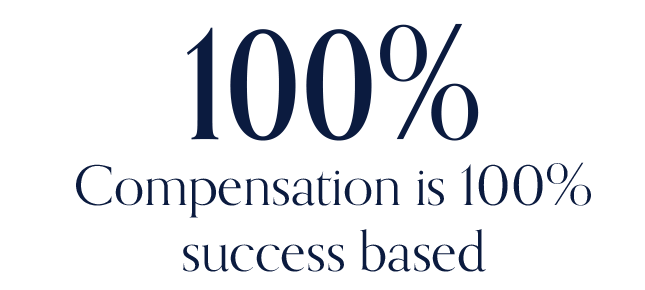
No Upfront Fees—Paid at Closing
1,000+ Florida Business Owners Trust Us
Real stories from owners who sold, scaled, and succeeded with Sailfish.
Now is the Perfect Time to Sell Your Business in Orlando, FL:





Why deal structure, not just sale price, decides your net proceeds, and the questions to bring to your CPA before you sign anything
Here is the headline for Florida sellers: there is no state personal income tax in Florida, so the tax on your business sale is primarily a federal matter, and most of the gain on a well-structured sale is typically taxed at long-term capital gains rates rather than higher ordinary income rates. How much of it lands in each bucket depends on structure, and structure is negotiable.
Sailfish Equity Advisors is a Florida business brokerage and M&A advisory firm helping Orlando and Central Florida owners value, prepare, confidentially market, and sell their companies through a structured process built on buyer-backed valuation and screened, qualified buyers. We are deal advisors, not tax advisors, and this article is educational only. Every owner’s situation is different, and you should confirm every specific in this guide with your CPA or tax advisor before making decisions. What we can do is show you the
moving parts, because the owners who keep the most at closing are the ones who understood the tax conversation before negotiations started, not after.
The First Fork in the Road: Asset Sale or Stock Sale Nearly every tax outcome in a business sale flows from one structural choice: is the buyer purchasing the assets of your company, or the equity (stock or membership interests) of the entity itself?
In an asset sale, the buyer purchases the components of the business: equipment, inventory, customer lists, goodwill, the name, the phone number. Your entity sells its assets, and the proceeds flow to you. Buyers strongly prefer asset sales, for two reasons. First, they generally get to reset the tax basis of the purchased assets, which can create depreciation and amortization deductions for them going forward. Second, they typically leave behind unknown liabilities tied to the old entity.
In a stock sale, the buyer purchases your ownership interests, and the entity continues as it was, with its history, contracts, and liabilities intact. Sellers often prefer stock sales because the gain is generally treated as capital gain on the sale of the equity, and the structure can be cleaner where licenses or contracts are difficult to assign.
Most Orlando Main Street and lower-middle-market transactions close as asset sales, because buyers and their lenders insist on it. That makes the next section, allocation, the place where your real tax outcome gets decided. The right structure for your deal depends on your entity type, your basis, and your numbers, which is exactly the conversation to have with your CPA early.
Purchase Price Allocation: The Negotiation Inside the Negotiation In an asset sale, the total price gets allocated across categories of assets, and both parties report that allocation to the IRS, so the two sides must agree on it. Here is why owners should care: different categories receive different tax treatment.
In general framing, and your CPA will apply the specifics: •
● Goodwill and similar intangibles are generally taxed to the seller as capital gain.
● Sellers usually want more of the price here.
● Equipment and other depreciated assets can trigger recapture of past depreciation, which is generally taxed at less favorable rates than capital gain. Buyers often want more of the price here because it can accelerate their deductions.
Inventory is generally treated as ordinary income territory.
Consulting agreements and employment compensation paid to the seller after closing are generally ordinary income to the seller (and may carry employment taxes), while being deductible to the buyer.
Non-compete agreements are generally ordinary income to the seller as well.
Notice the pattern: many allocations that help the buyer’s tax picture hurt the seller’s, and vice versa. Two deals with identical headline prices can put meaningfully different amounts
in the seller’s pocket depending on how the allocation reads. This is why an experienced advisor models net proceeds, not just price, and why your CPA should review the allocation schedule before you sign, not at tax time the following spring.
Capital Gains vs. Ordinary Income: The Buckets That Matter Without quoting rates, which change and depend on your income, filing status, and holding period, the general framework is simple: long-term capital gains on assets held more than a year are typically taxed more favorably than ordinary income. The structure of your sale determines how much of your proceeds fall into each bucket.
A seller who built a service business over fifteen years and sells it with most of the price allocated to goodwill will generally see most of the gain treated as long-term capital gain. A seller whose deal loads value into a consulting agreement, a large non-compete, and depreciation recapture will see more of it taxed as ordinary income. Same business, same buyer, different take-home.
Two more structural levers your CPA should weigh in on: •
● Installment sales and seller financing. If you carry a note for part of the price, you may be able to spread gain recognition across the years you receive payments, which can smooth your tax picture. It also means your money arrives over time and carries buyer-default risk, so the tax benefit has to be weighed against the credit decision.
Earnouts. Payments contingent on future performance have their own timing and characterization questions. Get advice before agreeing to one, not after.
There are also federal provisions that can dramatically change outcomes for specific situations, such as rules benefiting certain C-corporation stock held for long periods.
Whether anything like that applies to you is a question only your tax advisor can answer.
The Florida Advantage, Stated Plainly
Florida has no state personal income tax. For an Orlando owner, that means the state of Florida does not take a personal income tax bite out of your capital gain the way many states do. Owners who relocated a business from a high-tax state to Orange County or the I4 corridor sometimes discover this is one of the larger financial advantages of their move, realized on the single biggest payday of their business life.
Two cautions, both for your CPA. First, Florida does impose a corporate income tax on certain entities, so the tax picture at the entity level depends on how your company is organized; the structure of the sale interacts with this. Second, if you have ties to another state, a former residence, property, or part-year living arrangements, state tax claims can follow you, and residency questions deserve professional attention well before closing. The no-state-income-tax advantage is real, but it is not automatic for every situation, and it is not a substitute for planning.
Why This Changes How You Should Think About Price Here is the practical takeaway for sellers across Central Florida, whether you run a contracting firm in Kissimmee, a medical services business near Lake Nona, or a hospitality operation off International Drive: the number that matters is not the sale price. It is what clears to you after structure, allocation, and taxes.
This connects directly to valuation. Valuation is not a spreadsheet exercise; the real number is what qualified, financed buyers will actually support. Most owner-operated service businesses trade somewhere around 1.5x to 3.5x Seller’s Discretionary Earnings.
SDE, in plain English, is the cash flow a full-time owner-operator could reasonably expect from the business before owner-specific or discretionary expenses. Clean, documented add-backs raise SDE and support a higher price; unsupported add-backs create doubt and invite buyers to discount.
Buyers, meanwhile, are running their own after-tax math. They evaluate cash flow, risk, owner dependence, customer concentration, recurring revenue, transferability, and financing, and their tax treatment of the deal affects what they can afford to pay. A buyer who gets favorable allocation may stretch on price. That is the deeper point: structure is not a zero-sum afterthought; it is a negotiating tool. Sometimes a seller can concede something that costs them little and gains the buyer much, and trade it for price. You only capture those trades if your advisor and your CPA are coordinating before the letter of intent.
Sellers value the past. Buyers pay for the future, and they pay for it after tax.
A Pre-Sale Tax Readiness Checklist
Run through this with your CPA before your business goes to market:
Confirm your entity type and basis. S-corp, C-corp, LLC, partnership: each one changes the menu of structures and outcomes.
Model an asset sale and a stock sale side by side at a realistic, buyer-backed price, so you know your net under each before a buyer proposes one.
Pressure-test the likely allocation. Know which categories matter for your asset mix and where your depreciation recapture exposure sits.
Decide your posture on seller financing and earnouts with the tax timing implications understood in advance.
Clean up the books. Buyers want three years of financials, and so will every diligence accountant. Tax planning built on numbers that cannot be verified is planning on sand.
Address business risk factors early, because they affect price, and price drives every tax number downstream. Single-customer concentration above 20-30% of revenue worries buyers and shows up as a lower multiple or heavier deal contingencies.
Settle residency and multi-state questions if you have any footprint outside Florida.
None of this requires you to be a tax expert. It requires you to put your CPA and your deal advisor in the same conversation, months before closing.
Where Sailfish Fits in the Tax Conversation
Sailfish Equity Advisors does not give tax advice, and we will be the first to tell you to call your CPA. What we bring is the deal side of the equation, built over 25+ years and more than 1,000 Florida business owners helped: a buyer-backed valuation so the price your tax planning starts from is real, deal structuring experience so allocation and terms are negotiated with your net proceeds in view, a confidential process using blind profiles and NDAs so your sale stays private while it is structured properly, and buyer screening so the people across the table have verified proof of funds and the capacity to close. We charge no upfront fees and are paid only at closing. Owners comparing advisors can see how we approach the full process on our page for Orlando business brokers.
The sequence that protects your net proceeds is simple: realistic valuation first, tax modeling with your CPA second, market third. Owners who reverse that order negotiate blind.
If you are weighing a sale in the next year or two, start with a confidential valuation conversation with Sailfish Equity Advisors. We will give you a grounded view of what buyers would pay and how deals like yours typically get structured, so the meeting with your tax advisor is built on a real number instead of a guess.
Frequently Asked Questions
Do I pay state income tax when I sell my business in Florida? Florida has no state personal income tax, so there is no Florida personal income tax on your gain. Federal taxes still apply, certain entities can face Florida corporate-level tax considerations, and ties to other states can create state-level exposure. Confirm your specific picture with your CPA. Is an asset sale or a stock sale better for the seller? Sellers often net more under a stock sale and buyers usually prefer asset sales, but the honest answer is that it depends on your entity type, basis, asset mix, and the price and terms attached to each structure. Have your CPA model both before you negotiate, because structure is often worth real money in either direction.
What is purchase price allocation and why should I care? In an asset sale, the price is divided among asset categories, and both sides report the allocation to the IRS. Categories are taxed differently to the seller, generally capital gain for goodwill versus ordinary income for items like inventory, non-competes, and consulting pay, so the allocation can change your take-home without changing the headline price.
Will my sale proceeds be taxed as capital gains? Often a large portion is, particularly amounts allocated to goodwill on a business held more than a year. But depreciation recapture, inventory, consulting agreements, and non-competes are generally taxed less favorably. The split depends entirely on your deal’s structure, which is why CPA review before signing matters.
Does seller financing change my taxes? It can. Carrying a note may let you spread gain recognition over the years you collect payments under installment treatment, subject to
important exceptions your CPA should review. Weigh any tax benefit against the risk of the buyer defaulting and the fact that your money arrives over time.
When should I involve my CPA in the sale? Before you go to market, and certainly before you sign a letter of intent. The structural decisions with the biggest tax consequences, asset versus stock, allocation, seller financing, earnouts, are typically locked in at the LOI stage. Tax planning after signing is mostly damage control.
How does Sailfish Equity Advisors help Orlando business owners? Sailfish Equity Advisors is a Florida business brokerage and M&A advisory firm with 25+ years of experience and more than 1,000 Florida owners helped. We provide buyer-backed valuations, prepare and confidentially market businesses using blind profiles and NDAs, screen buyers for proof of funds and capability, and negotiate structure and terms with your net proceeds in view, coordinating with your CPA and attorney. We charge no upfront fees and are paid only at closing.
For statewide guidance on valuation, confidentiality, buyer qualification, and closing, visit our Florida business broker guide.