
How to Sell Your Orlando Business Confidentially
Protect an Orlando Sale From Rumors and Premature Disclosure
An Orlando business can be marketed to qualified buyers while employees, customers, and competitors remain protected through blind positioning and staged access. To build the right confidentiality controls, schedule a confidential exit-planning conversation.




Why Orlando Business Owners Choose Sailfish Equity Advisors
25+ Years of Proven Deal Experience
1,000+ Businesses Sold Across Florida
Confidential, Strategic Sale Process
Access to a Qualified Buyer Network
Maximized Valuation Through Positioning
Industry Experience Across High-Demand Sectors
Deal Structuring Expertise
Hands-On Guidance From Start to Finish
Deep Local Market Knowledge in Orlando, FL
Built for Results—Not Just Listings
1,000+ Florida Business Owners Trust Us
Real stories from owners who sold, scaled, and succeeded with Sailfish.
Now is the Perfect Time to Sell Your Business in Orlando, FL:





The step-by-step confidential sale process: blind profiles, NDAs, staged disclosure, screened buyers, and telling your team at the right moment
Sailfish Equity Advisors is a Florida business brokerage and M&A advisory firm that helps Orlando and Central Florida owners value, prepare, confidentially market, and sell their companies, with buyer-backed valuations, verified buyer screening, and a process designed around discretion at every stage. This guide walks through that process step by step, because confidentiality is not one document you sign. It is a discipline you run for six to twelve months, which is how long most sales take from engagement to closing.
What a Leak Actually Costs You
Start with why this matters so much, because the stakes explain the process.
If your employees learn the business is for sale before you are ready to tell them, your best people start updating resumes. In a Central Florida labor market where skilled technicians, managers, and licensed professionals have options, key staff walking out mid-sale damages the very cash flow your price is built on.
If your customers hear, some quietly start shopping alternatives, especially commercial accounts with contracts coming up for renewal. If any single customer represents more than 20-30% of revenue, a relationship wobble during the sale is exactly the kind of risk that makes buyers cut offers or walk.
If your competitors hear, they have a free season to poach accounts and recruit your staff while you are distracted. Some will even pose as buyers specifically to get a look at your customer list and pricing.
If your lenders, landlords, and vendors hear at the wrong time, terms can tighten just when you need stability.
Every one of those outcomes weakens the business while it is being judged. Buyers evaluate cash flow, risk, owner dependence, customer concentration, recurring revenue, and transferability, and a leak degrades several of those at once. Confidentiality is not a courtesy. It is deal protection.
Step One: The Blind Profile
A confidential sale starts with a marketing document that sells your business without identifying it. A good blind profile conveys the industry, the general size, the earnings, the growth story, and a deliberately vague location: “an established commercial services company in the greater Orlando area” rather than a name, an address, or anything that narrows the field.
Writing one well is harder than it sounds, particularly in tight-knit Orlando niches. Say too little and serious buyers scroll past. Say too much, name the major intersection, the signature client, the unusual service mix, and anyone in your industry can identify you in one read. In specialized Central Florida sectors, the simulation and training cluster near UCF, niche medical services around Lake Nona, distinctive hospitality concepts near International Drive, the profile has to be written by someone who knows exactly which details are fingerprints.
The valuation behind the profile matters too. The earnings figure presented is usually Seller’s Discretionary Earnings: in plain English, the cash flow a full-time owner-operator could reasonably expect from the business before owner-specific or discretionary expenses. The asking price should be buyer-backed, meaning grounded in what qualified, financed buyers actually pay, not what a spreadsheet or an eager listing agent suggests. Owner-operated service businesses often trade around 1.5x to 3.5x SDE. A realistically priced blind profile attracts serious inquiries quickly, which shortens the window during
which secrecy must be maintained. An overpriced one sits on the market for a year, and every extra month on the market is another month of leak risk.
Step Two: The NDA Before Anything Else
No buyer learns your company’s name without first signing a non-disclosure agreement. A proper business-sale NDA does more than ask for silence: it prohibits the buyer from contacting your employees, customers, or vendors, bars use of your information for any purpose other than evaluating the purchase, requires the return or destruction of materials if they pass, and creates legal recourse if they breach.
An NDA is not magic paper. Its real power is combined with the next two steps: screening, so you only disclose to people with something to lose, and staged disclosure, so even a signed NDA does not hand anyone the keys to your data on day one.
Step Three: Screening, Because Interest Is Not Ability Here is the uncomfortable arithmetic of selling a business: a well-marketed Orlando listing can draw dozens of inquiries, and only a small fraction are buyers who could actually close. The rest are browsers, dreamers, competitors fishing for intelligence, and people who could never finance the purchase.
Interest is not ability. Before identity disclosure goes any further, a serious process verifies three things:
Proof of funds. Real documentation of the cash and financing capacity to do the deal, not a verbal assurance.
Relevant experience. Can this person plausibly run, and get licensed for, a business like yours? Lenders ask the same question.
A realistic timeline. Buyers who are “exploring options” for some undefined someday do not get the second meeting.
Screening protects confidentiality two ways at once. It shrinks the circle of people who know anything, and it ensures the people inside the circle are genuinely transacting rather than collecting information. It also protects your time: the most expensive cost of a unqualified buyer is not the leak risk, it is the months they burn.
Step Four: Staged Disclosure
Even screened, NDA-signed buyers do not get everything at once. Information is released in stages matched to demonstrated commitment:
1.After NDA and initial screen: the company name and a summary memorandum with normalized financial highlights.
2.After serious engagement, meetings, and informed discussion: deeper financials.
3.Buyers want three years of statements and tax returns, and at this stage qualified candidates get them.
After an accepted offer or signed letter of intent: full due diligence access, customer-level detail, contracts, payroll, and the rest, usually with the most sensitive items (like named customer lists) held until late in diligence.
Staged disclosure means that if a buyer drops out at stage one, they leave knowing your name and a summary, not your customer list. The deepest secrets are revealed only to the one buyer who has committed in writing, with money and a timeline attached. Meetings and site visits follow the same logic: conducted after hours or off-site, with the buyer introduced as a consultant, banker, or insurance reviewer if staff encounter them. In a region as socially connected as Orange County’s business community, from Winter Park to Lake Mary to Winter Garden, these small disciplines are what keep a six-month process quiet.
Step Five: Running Quiet Operations for the Duration Confidentiality also has a home-front component, and this is where owners themselves cause most leaks:
Tell no one who does not need to know. Not your industry association, not a vendor friend, not the Friday networking group. Your CPA and attorney need to know; almost no one else does.
Route everything through your advisor. Buyer calls to your office, walk-in inquiries, emails to your work address: all redirected. Your name appears nowhere in marketing.
Keep documents off company systems. Sale materials live in a secure data room, not on the office server, and never in an email a bookkeeper might see.
Keep running the business like you are keeping it. The fastest way to start rumors is changed behavior: deferred maintenance, canceled marketing, an owner who suddenly stops bidding new work. It also damages the numbers a buyer is about to verify. Run it like you will own it forever, until the day you do not.
Step Six: Telling Employees at the Right Time, the Right Way The question owners ask most: “When do I tell my team?” In most Main Street and lowermiddle-market sales, the answer is at or very near closing, once the outcome is certain, often introducing the buyer the same day the deal is done. Telling people about a sale that might happen transfers all of the anxiety and none of the certainty.
There are exceptions worth planning with your advisor. A key manager whose cooperation the buyer needs, or whose retention is a deal condition, may be brought inside the circle late in diligence, under their own NDA and often with a stay bonus that aligns their interests with a smooth closing.
When the announcement comes, it should be a plan, not an improvisation: you and the buyer together, a clear message about continuity, answers ready on jobs, pay, and benefits, and customer notifications sequenced right behind it. Done well, the team’s first reaction is relief: the business has a funded future and their jobs are part of it. Done badly or leaked early, the same news reads as instability. The message is identical; the timing is everything.
The Discretion Discipline at Sailfish
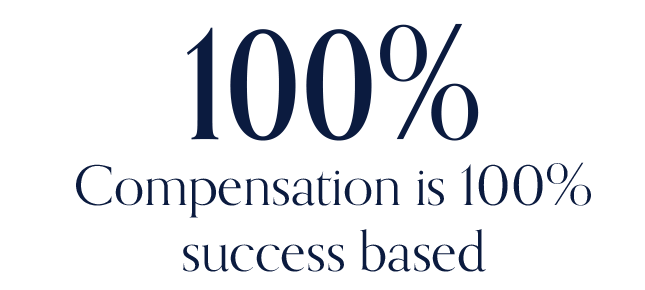
Sailfish Equity Advisors has run confidential sale processes for more than 1,000 Florida business owners over 25+ years, and the system reflects every lesson learned: buyerbacked valuations so listings price correctly and sell inside the typical 6-12 month window instead of lingering exposed, blind profiles written to attract buyers without fingerprinting the company, NDAs and verified screening with proof of funds before any identity disclosure, staged information release tied to demonstrated commitment, and employee and customer communication planned for closing day. We charge no upfront fees and are paid only at closing, so our incentive is the same as yours: a quiet process and a completed deal. You can learn more about how we work with sellers across Central Florida on our Orlando business brokers page.
Selling quietly and selling well are the same skill. If you want to find out what your business is worth without anyone knowing you asked, contact Sailfish Equity Advisors for a confidential valuation and seller strategy conversation. The first discretion test of your sale is the first conversation, and ours stays private.
Frequently Asked Questions
Can I really sell my business without my employees finding out? Yes. Most professionally managed sales close without employees learning of the sale until the owner announces it, usually at or near closing. The protection comes from a layered process: blind marketing profiles, NDAs before disclosure, buyer screening, staged information release, and off-hours meetings.
What is a blind profile? A marketing document that presents your business, industry, approximate size, earnings, and growth story, without the name, address, or details that would identify it. Buyers respond to the opportunity first and learn the identity only after signing an NDA and passing an initial screen.
Do NDAs actually work? They work as one layer in a system. An NDA creates legal consequences for disclosure and typically bars contact with your employees and customers, but its practical power comes from being paired with screening, so only verified, motivated buyers receive information, and staged disclosure, so no one holds sensitive data without commitment.
How do I stop competitors from posing as buyers to see my information? Screening and staging. A competitor fishing for intelligence usually cannot or will not produce proof of funds, articulate a credible acquisition rationale, and advance through stages that require real commitment. The most sensitive material, customer-level detail especially, is withheld until late diligence under a signed agreement, after the buyer has money and a timeline on the table.
When should I tell my key manager about the sale? Usually late in the process, if at all before closing, and only with a purpose: when the buyer needs that manager’s cooperation or retention as a condition of the deal. Bring them in under their own confidentiality
agreement, often paired with a stay bonus, and plan it with your advisor rather than improvising.
Does selling confidentially reduce the price I can get? No, it usually protects the price. A quiet process keeps employees, customers, and the business itself stable while buyers evaluate it, and a stable business commands stronger offers. What hurts price is the opposite: a leaked sale, departing staff, and nervous customers, all of which show up as risk in the buyer’s eyes.
How does Sailfish Equity Advisors help Orlando business owners? Sailfish Equity Advisors is a Florida business brokerage and M&A advisory firm with 25+ years of experience and more than 1,000 Florida business owners helped. We run confidential sale processes end to end: buyer-backed valuation, blind-profile marketing, NDAs and buyer screening with verified proof of funds, staged disclosure, negotiation, and a communication plan for employees and customers at closing. We charge no upfront fees and are paid only when your sale closes.
Use the Orlando business-selling process to coordinate confidentiality with each sale stage.
For statewide guidance on valuation, confidentiality, buyer qualification, and closing, visit our Florida business broker guide.