
Business Broker vs. M&A Advisor: Which Does Your Orlando Business Need?
Choose the Right Advisory Process for an Orlando Sale
Orlando owners should choose representation based on the transaction’s complexity, likely buyers, financing path, and negotiation requirements. To compare the available approaches, schedule a confidential exit-planning conversation.




Why Orlando Owners Choose Sailfish for Lower-Middle-Market Deals
25+ Years of Florida Deal Experience
1,000+ Transactions Completed
Brokerage and M&A Experience
Florida Roots and Nationwide Buyer Reach
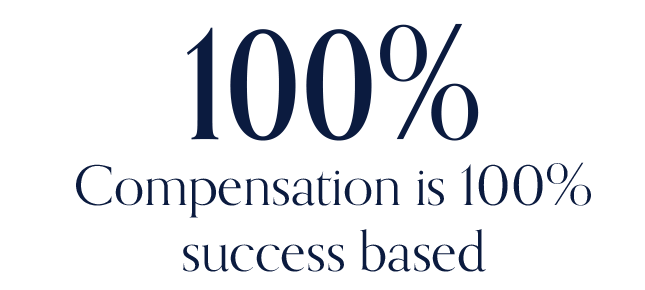
No Upfront Fees—Paid at Closing
1,000+ Florida Business Owners Trust Us
Real stories from owners who sold, scaled, and succeeded with Sailfish.
Now is the Perfect Time to Sell Your Business in Orlando, FL:





Deal size, buyer pools, fees, and process: how to pick the right kind of help before you sign anything
Here is the short version. If your Orlando company is a Main Street business, generally one selling for under about $1 million to $2 million, a business broker is usually the right hire. If your company would likely sell for more than that, you are in lower middle market territory and an M&A advisor runs a different, better-suited process. The labels matter less than what is behind them: different buyers, different fees, different work.
Sailfish Equity Advisors sits on both sides of that line. We are a Florida business brokerage and M&A advisory firm that helps Orlando and Central Florida owners value their companies against what financed buyers will actually pay, prepare for sale, market confidentially, screen buyers, and run a structured process through closing. Because we do both kinds of work, we have no incentive to shove your company into the wrong lane. This article explains how to tell the difference yourself.
What a Business Broker Actually Does
A business broker sells Main Street businesses: restaurants, service companies, retail shops, small medical and professional practices, the kinds of companies that line State Road 436 through Altamonte Springs or fill the plazas around UCF. The typical buyer is an individual. Someone leaving a corporate job, relocating to Central Florida, or buying a livelihood with savings plus an SBA loan.
The broker’s work reflects that buyer. A good Orlando business broker prices the company off Seller’s Discretionary Earnings, packages the story in a confidential profile, advertises on business-for-sale marketplaces without naming the company, screens inquiries hard, and walks an often first-time buyer through financing, due diligence, and a lease assignment. The broker is part marketer, part screener, part therapist, part project manager.
Fees are usually a straight success commission, often 8 to 12 percent of the sale price on Main Street deals, paid at closing. Many brokers charge nothing upfront, which means they only eat if you do. Expect the process to take 6 to 12 months from engagement to closing for most businesses, and expect any serious buyer to ask for 3 years of financials before they will write an offer.
What an M&A Advisor Does Differently
An M&A advisor sells companies, plural buyers at a time. When a business generates enough earnings to interest private equity groups, family offices, search funds, and strategic acquirers, the process flips from advertising to outreach. Instead of posting a blind listing and waiting, the advisor builds a target list of likely acquirers, approaches them directly under NDA, and tries to create a quiet auction where multiple qualified parties bid against each other.
The deliverables change too. Lower middle market buyers expect a confidential information memorandum, not a two-page teaser. They may want a quality of earnings review. Deal structure gets more sophisticated: earnouts, seller notes, rollover equity, working capital pegs. An owner selling a $6 million Lake Mary logistics company to a private equity platform is negotiating ten terms beyond price, and each one moves real money.
M&A advisory fees usually pair a retainer or engagement fee with a success fee that scales down as deal size rises, frequently following some version of a tiered formula. The percentage looks smaller than a Main Street commission, but the absolute dollars are larger because the deals are larger.
Main Street or Lower Middle Market: Where Your Business Falls The line is blurry on purpose, but here is a workable test for a Central Florida owner.
You are likely a Main Street sale if your business depends on you day to day, earns SDE that supports one owner-operator’s living, and would most plausibly be bought by an individual
using SBA financing. Owner-operated service businesses in this range often trade around 1.5x to 3.5x SDE, depending on margins, transferability, and how clean the books are.
You are likely a lower middle market sale if you have a management layer that runs without you, earnings measured in EBITDA rather than SDE, contracts or recurring revenue a financial buyer can underwrite, and a story that interests an acquirer in Atlanta or Chicago, not just a buyer in Orange County. These companies trade on EBITDA multiples, and the buyer pool is institutional.
Plenty of Orlando companies sit in the awkward middle: a $900,000-SDE contractor riding the I-4 corridor construction boom, a multi-location med spa near Lake Nona Medical City. Those deals can go either direction, and the right answer depends on whether the better outcome comes from a financed individual or a strategic consolidator.
One practical clue: look at who has approached you over the years. If the unsolicited calls come from individuals asking what you would take for the business, you are probably a Main Street sale. If they come from private equity associates and industry roll-ups, the institutional market has already told you where you belong. Either way, an inbound approach is a data point, not a process. The worst outcomes we see are owners who sold to the only party who ever asked.
The Buyer Pool Is the Real Difference
Strip away the titles and this is the core distinction: who shows up to buy.
Main Street buyers are individuals evaluating a job plus an investment. They care about cash flow they can live on, whether the business runs without the current owner, whether customers will stay, and whether a lender will approve the deal. Owner dependence is expensive. A buyer who senses the business is really just you will discount hard or walk. Lower middle market buyers are professionals evaluating a return. They model risk in spreadsheets: customer concentration above 20 to 30 percent with a single account, revenue durability, management depth, the cost of replacing you. They move faster on diligence and slower on sentiment.
Hiring mismatched help means fishing in the wrong pond. A broker who only knows marketplace listings will never get your $8 million company in front of the strategic buyers who would pay the most for it. An M&A advisor who only calls private equity will burn months pitching a $600,000 deli that no fund will ever touch. Both mistakes cost you time, and stale listings cost you money.
How Fees and Engagement Terms Compare
On fees, keep three things straight.
First, Main Street commissions of 8 to 12 percent sound high until you price the alternative: a do-it-yourself sale with one unvetted buyer and no competitive tension. Commission is a cost; a weak sale process is a bigger one.
Second, M&A engagements often include upfront or monthly fees. That is normal in the lower middle market, where the preparation work is heavy, but it also means you should vet the advisor’s actual track record before writing checks.
Third, read the tail provisions and exclusivity terms in any engagement letter. A fair agreement aligns everyone toward a closing. A bad one keeps you paying long after the relationship has died.
Whatever the model, the fee conversation should start with a defensible valuation, because the fee only matters relative to the price the process can produce. A 10 percent commission on a competitive sale routinely nets a seller more than zero commission on a one-buyer negotiation, and the reverse is also true when the process adds nothing. Run the numbers both ways before you decide the fee is the problem.
The Valuation Question Both Must Answer
Whoever you hire, demand a valuation built on buyer behavior, not flattery.
For Main Street deals, that starts with SDE. Seller’s Discretionary Earnings is the cash flow a full-time owner-operator could reasonably expect from the business before owner-specific or discretionary expenses: your salary, your truck, your family’s phone plan added back to profit. Clean, documented add-backs raise SDE. Unsupported add-backs create doubt, and doubt shows up as a lower offer or a dead deal in diligence.
For larger deals, the math shifts to adjusted EBITDA, but the principle holds either way: valuation is not a spreadsheet exercise. The real number is what qualified, financed buyers will support, after a lender or an investment committee has stress-tested the earnings. Any advisor who quotes you a price without explaining who would pay it, and how they would finance it, is telling you what you want to hear to win the listing.
One Firm That Works Both Sides of the Line
Sailfish Equity Advisors was built to remove the broker-or-advisor guesswork. With 25 plus years of deal experience and more than 1,000 Florida business owners helped, we have closed Main Street sales and run lower middle market processes, and we tell you honestly which lane your company belongs in before anything is signed.
The mechanics are the same ones we would demand for our own companies: a buyer backed valuation grounded in what financed buyers actually pay, a confidential marketing process built on blind profiles, NDAs, and staged disclosure, and real buyer screening, because interest is not ability. We ask for proof of funds, relevant experience, and a credible timeline before any buyer learns your name. Confidentiality is not a courtesy. It is deal protection for your employees, customers, and competitors’ rumor mills.
And we charge no upfront fees. We are paid only at closing, which keeps our advice pointed at one outcome: a deal that actually closes at a number you can defend.
How to Decide Before You Talk to Anyone
Run this quick self-check. Estimate your SDE honestly. Ask whether your most likely buyer is an individual with an SBA loan or an institution with a fund behind it. Ask whether your business runs for two weeks without you. Then interview firms from both camps and listen for who asks better questions about your cash flow, your customer concentration, and your transferability.
Watch out for the most common hiring mistake in either lane: choosing the firm that quotes the highest price. An inflated valuation wins listings and loses years. The right intermediary shows you the buyers behind the number.
Or skip the triangulation and get one straight answer. Talk with the Orlando business brokers and M&A advisors at Sailfish Equity Advisors for a confidential valuation and an honest read on which process fits your company. The conversation is private, the valuation is grounded in buyer behavior, and you will leave knowing exactly what kind of help your sale deserves.
Frequently Asked Questions
What is the main difference between a business broker and an M&A advisor? Deal size and process. Business brokers sell Main Street companies, generally under about $1 million to $2 million in value, to individual buyers through confidential listings, typically for an 8 to 12 percent commission. M&A advisors sell lower middle market companies through direct outreach to private equity, strategic, and institutional buyers, using a quiet auction process with more complex deal structures.
At what size does my Orlando business need an M&A advisor instead of a broker?
There is no hard line, but once earnings can support a management team rather than just an owner’s living, and the realistic buyer is a fund or a strategic acquirer rather than an individual with SBA financing, an M&A process usually produces the better outcome. Many Central Florida companies sit in the overlap, which is why a buyer backed valuation should come before the hiring decision.
How long does each type of sale take? Both typically take 6 to 12 months from engagement to closing. Main Street deals spend more time finding and financing the right individual buyer. Lower middle market deals spend more time in preparation, diligence, and negotiation. Either way, buyers will want 3 years of financials, so clean books shorten the timeline more than anything else.
Do M&A advisors charge more than business brokers? The structures differ. Brokers usually charge a success-only commission, often 8 to 12 percent on Main Street deals. M&A advisors often combine a retainer with a tiered success fee that is a lower percentage of a larger price. Sailfish charges no upfront fees on its engagements and is paid only at closing. Can one firm handle both kinds of sales? Yes, if it genuinely has both skill sets: marketplace marketing and individual-buyer management on one side, institutional
outreach and structured negotiations on the other. Ask any firm for examples of closed deals in your size range before you engage.
How does Sailfish Equity Advisors help Orlando business owners? Sailfish Equity Advisors is a Florida business brokerage and M&A advisory firm serving Orlando and Central Florida. With 25 plus years of experience and more than 1,000 Florida owners helped, we provide buyer backed valuations, prepare your company for market, protect confidentiality with NDAs and blind profiles, screen buyers for proof of funds and experience, and manage the deal through closing. There are no upfront fees; we are paid only when your sale closes.
For statewide guidance on valuation, confidentiality, buyer qualification, and closing, visit our Florida business broker guide.