
Average Commission Rates for Business Brokers in Miami
How Miami Broker Commissions Align With Sale Value
The right Miami fee structure should align the advisor with a well-prepared, competitive, and financeable sale. To compare commission terms with the work required for your company, schedule a confidential exit-planning conversation.





Thinking About Selling Your Business?
Find Out What Your Business is Worth!
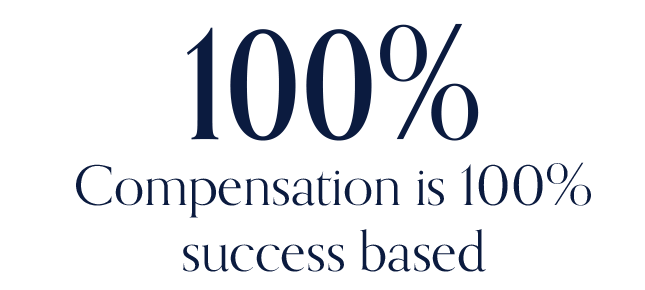
25+ Years of Success: Exclusive Buyers. Maximum Value. Zero Upfront Fees.
- ✓92% Success Rate – Proven expertise in closing efficiently.
- ✓Sell in as Fast as 90 Days – A streamlined, efficient process.
- ✓100% Confidential Sales – Protecting your business.
- ✓Multiple Competitive Offers – Serious buyers waiting.

Why Miami Owners Use Sailfish to Evaluate Broker Fees
• Commission terms explained before engagement
• Scope compared alongside the fee percentage
• Buyer qualification and financing strategy
• Confidential marketing matched to the Miami market
• Deal support through diligence and closing
• Success-fee alignment documented in writing
1,000+ Florida Business Owners Trust Us
Real stories from owners who sold, scaled, and succeeded with Sailfish.
Now is the Perfect Time to Sell Your Business in Miami, Florida:




How Much Do Business Brokers Charge in Miami? Commission Rates Explained for Small Business Owners
Most business owners in Miami ask the same question before they hire a broker:
“What percentage do business brokers charge?”
It sounds like a simple question.
Usually, it is not.
Because the real issue is not just commission percentage.
The real issue is whether the broker can actually get the deal closed at the right valuation, with the right buyer, without damaging confidentiality along the way.
And those are not the same thing.
A business owner selling a $700,000 HVAC company in Miami faces a completely different process than an owner selling a $25 million distribution company in Broward County. The buyer pool is different. Financing structures are different. Due diligence is different. Risk is different.
So commission structures differ too.
Still, there are patterns.
And understanding how business broker commissions work in Miami helps owners avoid unrealistic expectations, weak representation, and expensive mistakes before they go to market.
Average Business Broker Commission Rates in Miami
For many small Main Street businesses in Miami, business broker commissions commonly begin at 10% of the first $1 million of transaction value, with higher percentages possible depending on complexity and deal risk.
That range is common for:
owner-operated businesses
service companies
local retail businesses
restaurants
trades businesses
small healthcare practices
recurring-revenue service businesses
companies selling below roughly $2 million to $3 million
But that range is only the starting point.
Some deals use flat minimum fees. Others use tiered commission structures. Lower-middle-market transactions may use investment banking formulas like the Lehman Formula or modified Lehman structures.
Some brokers may try to win listings by discounting fees, but this article does not recommend rates below the tiered floor shown here.
That usually creates problems later.
Because brokers who underprice themselves often compensate by taking too many listings at once. That means less buyer screening, weaker deal preparation, poor communication, and minimal strategic positioning.
The listing becomes inventory.
Not a carefully managed process.
And that matters because selling a business is rarely about simply finding interest.
In Miami, buyer interest is everywhere.
Serious buyers are harder to find.
Why Smaller Businesses Usually Pay Higher Commission Percentages
Many owners assume larger businesses should cost more to sell.
In absolute dollars, they do.
In percentage terms, usually not.
A $400,000 plumbing company may require nearly the same amount of broker labor as a $4 million company.
Sometimes more.
Small business transactions often involve:
SBA financing
incomplete financial records
owner-dependent operations
heavy buyer education
extensive seller coaching
emotional negotiations
transferability concerns
operational cleanup before closing
The work is intensive.
And many small deals fail before closing.
That risk is built into commission pricing.
A broker selling a small pool service business in Miami may spend months:
cleaning up financial presentation
preparing add-backs
screening unqualified buyers
coordinating lender requests
managing due diligence
helping structure seller financing
preventing confidentiality leaks
keeping both parties emotionally engaged
All before getting paid a dollar.
Most business brokers work entirely on contingency.
If the deal dies, they typically receive nothing.
That risk affects commission rates substantially.
What Commission Structures Typically Look Like
There is no universal pricing model in Florida business brokerage.
But several structures appear frequently.
Percentage-Based Commission
This is the most common structure for smaller businesses.
The broker receives a percentage of the final sale price after closing.
For example:
10% on a $500,000 sale
10% on the first $1 million and 8% on the remaining $500,000 of a $1.5 million sale
negotiated tiers for larger transactions
Sometimes there is also a minimum commission.
A broker may charge “10% with a $25,000 minimum” to avoid spending months on very small transactions that may not justify the workload.
Tiered Commission Structures
Larger transactions sometimes use decreasing percentage tiers.
For example:
10% on the first $1 million
8% on the second $1 million
6% on the third $1 million, then no less than 4% on each additional $1 million through the fifth $1 million
This helps balance incentives as transaction size increases.
Minimum Tiered Commission Schedule
For larger lower-middle-market transactions, this article uses a tiered success-fee schedule rather than presenting a lower legacy Lehman example.
The commission floor used in this article is:
10% of the first $1 million
8% of the second $1 million
6% of the third $1 million
4% of the fourth $1 million
4% of the fifth $1 million
The exact agreement may vary by deal complexity, but these are the minimum tiers shown in this article.
Fees above $5 million, retainers, and reimbursable expenses should be stated clearly in the engagement agreement.
Upfront Fees and Retainers
Some brokers charge upfront fees in addition to success fees.
These may include:
valuation fees
marketing preparation fees
retainer fees
confidential information memorandum preparation
market analysis fees
Not every upfront fee is a red flag.
But owners should understand exactly what they are paying for.
A high upfront fee combined with weak execution is dangerous.
Especially if the broker’s business model depends more on collecting retainers than closing transactions.
The Cheapest Broker Is Not Always the Cheapest Outcome
Many business owners focus entirely on lowering commission percentage.
That instinct is understandable.
But it can become expensive quickly.
A weak process can reduce valuation far more than the commission itself.
For example:
A broker who fails to prepare financials properly may scare away SBA lenders.
A broker who leaks confidentiality may destabilize employees.
A broker who overshares information too early may weaken negotiating leverage.
A broker who fails to qualify buyers may waste six months on someone who cannot close.
That lost time has real cost.
Especially in owner-operated businesses where performance may decline during the sale process itself.
The strongest brokers are not just marketers.
They are process managers.
They reduce uncertainty.
And buyers pay more when uncertainty decreases.
What Miami Buyers Actually Care About
Most sellers think buyers focus mainly on revenue.
Sophisticated buyers focus on risk.
Particularly in South Florida.
Buyers evaluate:
cash flow quality
transferability
customer concentration
recurring revenue
employee stability
operational systems
owner involvement
financing viability
industry durability
A broker who understands these dynamics can position the business more effectively before it ever reaches the market.
That positioning directly impacts buyer confidence.
And confidence impacts valuation.
For example:
A Miami landscaping company with recurring HOA contracts, documented systems, trained crews, and stable margins may attract stronger multiples than a larger company where the owner personally manages every relationship.
Transferability changes value.
Again.
A broker’s job is partly financial.
But it is also psychological.
They must help buyers believe the business can continue operating successfully after the owner exits.
Why Confidentiality Matters So Much in Miami Business Sales
Miami is relationship-driven.
News travels fast.
That creates risk.
Employees panic when they hear rumors. Competitors exploit uncertainty. Customers question stability. Vendors tighten terms.
One careless conversation can damage a business before the deal even closes.
That is why experienced Miami business brokers protect confidentiality aggressively.
A professional process often includes:
non-disclosure agreements
staged information release
buyer financial verification
controlled management meetings
anonymous marketing materials
limited disclosure of identifying details
structured due diligence timelines
Not every interested buyer deserves full access immediately.
That distinction matters more than many owners realize.
Why SBA Financing Impacts Broker Commissions
A large percentage of smaller business acquisitions in Miami involve SBA lending.
That changes the broker’s workload considerably.
SBA lenders often require:
three years of tax returns
detailed profit and loss statements
balance sheets
debt schedules
payroll documentation
customer concentration analysis
explanations of add-backs
lease review
transition planning
Weak documentation delays underwriting.
Sometimes it kills deals entirely.
Good brokers spend substantial time coordinating with lenders, accountants, attorneys, and buyers to keep financing alive.
That effort becomes part of the value they provide.
Especially in businesses where bookkeeping is less than perfect.
Which is common in owner-operated companies.
Industries in Miami That Commonly Use Business Brokers
Business brokerage activity remains strong across South Florida because the region has a massive population of privately owned businesses.
Common industries include:
HVAC companies
plumbing businesses
electrical contractors
roofing companies
pool service businesses
pest control companies
janitorial services
restaurants
medical practices
dental practices
logistics companies
e-commerce operations
distribution businesses
insurance agencies
landscaping companies
construction firms
professional service businesses
Recurring-revenue service businesses tend to attract especially strong buyer demand because predictability reduces perceived risk.
Buyers pay for durable cash flow.
Not just historical effort.
Questions Business Owners Should Ask Before Hiring a Miami Business Broker
Most owners interview brokers incorrectly.
They focus on valuation promises and commission percentages first.
Those matter.
But they are not enough.
Better questions include:
How Do You Qualify Buyers?
This is critical.
A large buyer list means nothing if most buyers cannot close.
Ask how buyers are screened financially and operationally before confidential information is released.
How Do You Handle Confidentiality?
A broker should explain exactly how information is protected throughout the process.
Loose confidentiality is dangerous.
Especially for owner-operated businesses.
What Is Your Experience With SBA Transactions?
Many smaller deals depend on financing.
A broker unfamiliar with SBA requirements can create major delays.
How Do You Evaluate Transferability?
This question reveals sophistication quickly.
Strong brokers understand that owner dependence impacts valuation significantly.
How Do You Prepare Sellers Before Going to Market?
Preparation changes outcomes.
The process should involve:
financial cleanup
add-back analysis
operational positioning
buyer risk analysis
growth narrative development
due diligence preparation
A listing is not the strategy.
Preparation is the strategy.
Why Business Owners Often Misunderstand Valuation
Owners usually value the sacrifice it took to build the company.
Buyers value future transferable cash flow.
Those are different calculations.
A business that required 20 years of hard work does not automatically command a premium multiple.
Buyers ask:
“What happens after the owner leaves?”
If the answer is unclear, valuation drops.
That is why businesses with:
documented systems
stable employees
diversified customers
recurring revenue
reduced owner dependence
clean financials
often command stronger pricing than businesses with higher revenue but operational chaos.
Clarity creates confidence.
Confidence increases value.
What Makes Sailfish Equity Advisors Different
Many small business owners do not need corporate theater.
They need practical guidance.
That means understanding how buyers think, how lenders evaluate risk, and how owner-operated businesses actually function in the real world.
Sailfish Equity Advisors works with South Florida business owners to help prepare, position, and confidentially market businesses for sale with a deal-focused approach grounded in operational reality.
The firm helps sellers navigate:
valuation expectations
buyer screening
transferability concerns
confidentiality protection
deal structure
financing coordination
due diligence management
transition planning
Sailfish Equity Advisors brings more than 25 years of business experience and has helped over 1,000 Florida business owners across industries including construction, local services, healthcare, B2B operations, professional services, and owner-led companies.
That experience matters because small business transactions are rarely perfectly organized on day one.
A strong broker understands how to translate operational reality into buyer confidence.
And buyer confidence drives deals forward.
Business owners exploring their options can learn more about confidential South Florida business brokerage services through Sailfish Equity Advisors:
South Florida business broker guide
Final Thoughts on Business Broker Commission Rates in Miami
The average commission rate for business brokers in Miami is only part of the equation.
Execution matters more.
A lower commission means very little if the broker cannot:
protect confidentiality
qualify buyers properly
support financing
manage due diligence
negotiate effectively
maintain deal momentum
close the transaction
Selling a business is not just a marketing exercise.
It is a risk-management process.
And the strongest brokers reduce uncertainty for everyone involved: buyers, lenders, employees, and sellers themselves.
If you are considering selling a business in Miami or elsewhere in South Florida, start with a confidential valuation and preparation conversation before going to market. Sailfish Equity
Frequently Asked Questions About Miami Business Broker Commissions
Are Miami business broker commissions negotiable?
Terms can vary by transaction, but this article does not present a rate below 10% on the first $1 million, 8% on the second $1 million, 6% on the third $1 million, and 4% through the fifth $1 million. Compare the full scope of work—not just the percentage.
What should a Miami broker commission include?
A clear engagement should explain valuation support, confidential marketing, buyer screening, negotiation, due-diligence coordination, and closing support, along with any separate expenses.
Is an upfront retainer credited toward the success fee?
It depends on the agreement. Ask whether a retainer is refundable, whether it is credited at closing, and which services or expenses it covers before signing.
For statewide guidance on valuation, confidentiality, buyer qualification, and closing, visit our Florida business broker guide.