
Steps to sell a small business with an advisor in Palm Beach County
Move Through a Palm Beach County Sale with an Advisor-Led Plan
An advisor-led sale coordinates valuation, preparation, confidentiality, buyer qualification, offers, diligence, financing, and closing around the owner’s priorities. To map those steps for your Palm Beach County business, schedule a confidential exit-planning conversation.


Why West Palm Beach Business Owners Choose Sailfish Equity Advisors
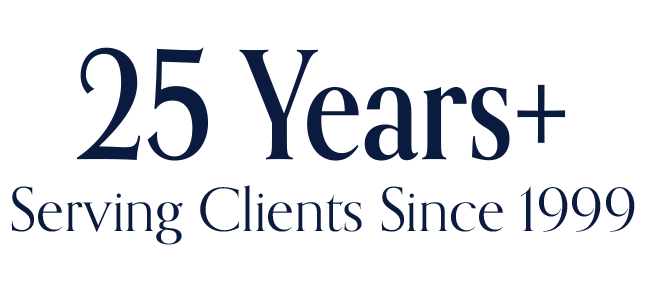
25+ Years of Proven Deal Experience
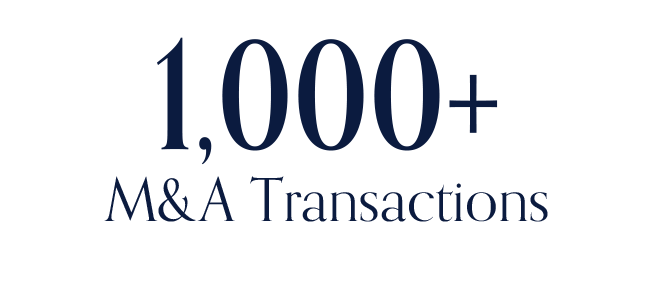
1,000+ Businesses Sold Across Florida
Confidential, Strategic Sale Process
Access to a Qualified Buyer Network
Maximized Valuation Through Positioning
Industry Experience Across High-Demand Sectors
Deal Structuring Expertise
Hands-On Guidance From Start to Finish
Deep Local Market Knowledge in South Florida
Built for Results—Not Just Listings
1,000+ Florida Business Owners Trust Us
Real stories from owners who sold, scaled, and succeeded with Sailfish.
Now is the Perfect Time to Sell Your Business in West Palm Beach, Florida:





Your Palm Beach County Exit Strategy: A guided roadmap to selling your small business with professional support
Selling a small business in West Palm Beach follows a clear, proven sequence — valuation, preparation, confidential marketing, buyer screening, negotiation, due diligence, and closing — and every step carries real consequences if handled poorly. Business owners who work with an experienced local advisor consistently walk away with better outcomes, faster timelines, and fewer surprises. Those who go it alone often discover too late just how much they didn't know.
Key Takeaways
Most small businesses in Palm Beach County take 6 to 12 months to sell from listing to close — preparation dramatically compresses that timeline
Valuation is a science, not a gut feeling; owners who price emotionally almost always hurt themselves
Confidentiality isn't just a preference — a leak can destroy employee morale, spook customers, and kill a deal before it starts
Palm Beach County is one of the most active small business markets in Florida right now, with serious buyer demand across service industries
The right advisor doesn't just find a buyer — they protect your leverage at every stage of the process
Why the Selling Process Is More Complex Than Most Owners Expect
Selling a small business in West Palm Beach is nothing like selling a piece of real estate or liquidating equipment. It is a layered, confidential, legally sensitive transaction that involves financial analysis, buyer psychology, deal structure strategy, and timing — all happening simultaneously. Most owners don't realize that until they're already in it.
The complexity isn't a warning to scare you off. It's a reason to go in prepared.
Think about what's actually happening beneath the surface of a business sale. You're trying to present your financials in the most accurate and compelling light, market to buyers without alerting competitors or employees, negotiate price and terms without tipping your hand, survive due diligence without having a deal fall apart, and close cleanly while still running the business. That's not a weekend project.
In West Palm Beach specifically, the market is active and competitive — which sounds like good news, and it is. But active markets attract unsophisticated buyers alongside serious ones. Without a process to filter them, business owners waste months on tire-kickers who were never going to close.
The cost of doing this wrong isn't just money left on the table. It's months of your life, the stress of a broken deal, and sometimes the permanent damage to a business that got exposed before it was ready to sell.
The Palm Beach County Business Market Right Now
Palm Beach County is one of the most dynamic small business markets in Florida, and that's not an accident. Population growth, an ongoing wave of retirees relocating from the Northeast, a booming real estate sector, and year-round demand for service-based businesses have combined to create a seller's environment unlike most of the country.
Buyers are active. Private equity-backed search funds, individual operators with SBA financing, and experienced entrepreneurs are all competing for well-run small businesses across the county. Inventory of quality businesses for sale remains tighter than buyer demand — which means prepared sellers with clean financials and strong operations have real leverage right now.
Here's what's moving:
Pool cleaning and pool service companies are among the most sought-after businesses in South Florida. The combination of year-round weather, an explosion of new residential construction, and aging pool infrastructure means recurring route-based revenue — exactly what buyers want.
Pest control businesses carry recurring service contracts, predictable cash flow, and strong retention rates. In a subtropical climate where pest pressure never stops, these companies have built-in demand that buyers recognize immediately.
Restoration companies — water, fire, and mold — are attracting serious attention from both strategic and financial buyers. Insurance-driven revenue, emergency response demand, and Florida's weather exposure make these businesses recession-resistant in ways that appeal to sophisticated acquirers.
Janitorial and commercial cleaning companies with established commercial contracts are highly attractive right now. Recurring B2B revenue, low capital requirements, and scalable operations make them a favorite among first-time business buyers using SBA loans.
HVAC businesses in Palm Beach County are among the most consistently in-demand businesses we work with. Florida's heat is non-negotiable. Maintenance contracts, install volume, and technician teams with low owner dependency command strong multiples.
Plumbing companies with reliable crews and diversified revenue — residential service, commercial work, new construction — are drawing multiple offers in the current market. Buyer demand far outpaces available listings.
Electrical contractors are similarly competitive. Licensing barriers create a natural moat, and buyers understand that a permitted, insured, properly licensed electrical business with experienced crews is genuinely hard to replicate from scratch.
Roofing companies benefit from Florida's storm exposure and the ongoing residential construction boom across Palm Beach County. Buyers with roofing experience are actively searching, and well-documented job history matters significantly to valuation.
Landscaping and lawn care businesses with established commercial or HOA contracts are moving quickly. Recurring monthly revenue and predictable margins make these businesses straightforward for buyers to underwrite.
General contractors and construction companies — including concrete, framing, drywall, tile, and flooring businesses — are seeing strong buyer interest tied to Palm Beach County's sustained construction activity. Experienced crews, active licenses, and documented project history are the key value drivers in this space.
Step-by-Step: How to Sell Your Business with an Advisor in West Palm Beach
Step 1: Get a Professional Business Valuation
A professional valuation is the foundation of everything that follows. It tells you what your business is actually worth in today's market — not what you hope it's worth, and not what a neighbor said someone else got last year.
Most small businesses in Palm Beach County sell for 2x to 4x Seller's Discretionary Earnings (SDE), though service businesses with strong recurring revenue and low owner involvement can push higher. HVAC, pest control, and pool service companies with maintenance contracts regularly achieve the upper end of that range. Businesses with high customer concentration or significant owner dependency trend lower.
What drives your number: revenue trend, profit margins, customer retention, owner involvement, contract stability, employee tenure, and how clean your books are. An experienced advisor will analyze all of it and build a defensible valuation narrative — not just a number, but the story behind it that holds up under buyer scrutiny.
The most common mistake at this stage? Owners who anchor to what they need the sale to fund their retirement, not what the market will actually pay. Those two numbers are often very different. Starting with an honest, data-driven valuation protects you from wasting months pursuing a price that serious buyers will never reach.
Step 2: Prepare the Business for Sale
Preparation is where deals are won or lost before they even start. A sell-ready business has clean, organized financials for at least three years, documented systems and processes, a stable team that doesn't depend entirely on the owner showing up, and a customer base that isn't dangerously concentrated in one or two accounts.
Buyers in Palm Beach County are increasingly sophisticated. They've often looked at dozens of businesses before yours. They know what a well-run operation looks like, and they know what red flags smell like from across a conference table. Messy QuickBooks files, missing tax returns, undocumented cash transactions, or an operation that only works because the owner personally manages every relationship — these things don't just reduce price, they kill deals.
Give yourself 3 to 6 months to prepare if you can. The businesses that sell fastest and at the best terms are rarely the ones that come to market in a hurry.
Step 3: Go to Market — Confidentially
Confidentiality is not optional. It is the difference between a clean process and one that spirals into chaos.
When word gets out that a business is for sale — before the right buyer has been found and a deal is in place — things deteriorate fast. Employees start updating their resumes. Key customers get nervous and start qualifying alternative vendors. Competitors use the information strategically. What was a healthy, profitable business starts to look like one in decline, simply because of the perception that something is wrong.
A qualified advisor markets your business through a blind profile that describes the opportunity without identifying it, reaches out selectively to pre-qualified buyers in their network, and requires NDAs before any substantive information changes hands. This isn't bureaucracy — it's the architecture of a clean, protected process.
In our experience working with business owners in South Florida, confidentiality breaches almost always trace back to sellers who tried to test the market on their own, or worked with an advisor who didn't take this seriously enough.
Step 4: Screen and Qualify Buyers
Not every person who expresses interest in your business is a real buyer. Most aren't.
The serious buyer brings three things: financial capability, relevant experience or a clear plan to operate the business, and genuine intent to close. Everything else is a distraction. An experienced advisor knows how to separate real buyers from curious lookers in the first conversation — and they do it without wasting your time or compromising your confidentiality.
Buyer qualification in Palm Beach County right now involves confirming available capital, SBA pre-approval or proof of funds, and alignment between the buyer's background and your business's operational requirements. We're currently seeing the most competitive offers from buyers who are already in adjacent industries — an HVAC owner looking to expand, for example, or an experienced service business operator looking to acquire a second platform.
The quality of the buyer pool you access is almost entirely determined by the advisor you choose.
Step 5: Negotiate the Deal
Price is just one piece of what's being negotiated. Serious deal-making in a small business sale also covers terms — how much of the purchase price is paid at closing versus structured as an earnout or seller financing, what the transition period looks like, whether you'll sign a non-compete agreement and for how long, and what happens to key employees.
Having an experienced advisor in the room fundamentally changes the dynamic. It removes the personal tension between buyer and seller, gives you someone to pressure-test terms with, and ensures you're not making concessions that feel reasonable in the moment but cost you significantly at the closing table.
The most common seller mistake at this stage is negotiating against yourself. Getting anxious when a deal slows down and offering concessions before the buyer even asks for them. A good advisor holds the line.
Step 6: Navigate Due Diligence
Due diligence is where deals die. Not usually because there's something catastrophically wrong with the business — but because sellers aren't prepared, surprises surface, and buyers lose confidence.
Buyers will scrutinize your financials, your contracts, your licenses, your lease, your employee agreements, your customer concentration, and your operational processes. They're not looking for perfection. They're looking for consistency between what you represented and what the documents actually show.
Due diligence in most small business sales takes 30 to 90 days depending on deal complexity and how prepared the seller is going in. Businesses with organized data rooms, responsive advisors, and clean documentation move through due diligence faster and with fewer renegotiation attempts from buyers.
Step 7: Close the Transaction
Closing involves coordinating attorneys, lenders (if SBA financing is involved), landlords (if a lease assignment is required), and sometimes key employees who need to be transitioned. It is not a single moment — it's a sequence of final approvals, document signings, and fund transfers that your advisor manages alongside your closing attorney.
What comes after closing is equally important. Most small business sales in Palm Beach County include a transition period of 30 to 90 days where the seller trains the buyer and introduces them to key customers and employees. Non-compete agreements are standard and typically cover 2 to 3 years within a defined geographic radius.
Plan for the transition before you get to closing, not after. Buyers who feel abandoned at the handoff become difficult, and difficult buyers find problems.
How Long Does It Take to Sell a Business in Palm Beach County?
Most small business sales in West Palm Beach take between 6 and 12 months from the time a business goes to market to the day it closes. Well-prepared businesses with clean financials and realistic pricing often close in 4 to 6 months. Businesses that come to market undercooked — with messy books, unrealistic valuations, or unresolved operational issues — can drag on for 18 months or longer, if they close at all.
What compresses the timeline: thorough preparation, accurate pricing, a strong buyer pool, and an advisor who moves deals forward with discipline. What extends it: the opposite of all of those things.
What a Business Advisor Actually Does for You
A qualified business advisor handles the entire sale process so you can keep running your business while the transaction progresses. The scope is broader than most sellers expect.
They develop a defensible valuation, build a confidential information memorandum that presents your business compellingly to qualified buyers, market through their network without exposing your identity, screen and qualify buyers, structure the negotiation, manage due diligence logistics, coordinate with attorneys and lenders, and shepherd the transaction to closing.
What they're also doing — and this part is underappreciated — is protecting your leverage at every stage. Information is leverage. Confidence is leverage. Knowing when to push and when to hold is leverage. An experienced advisor brings all of it.
Commission Rates and Advisor Fees in South Florida
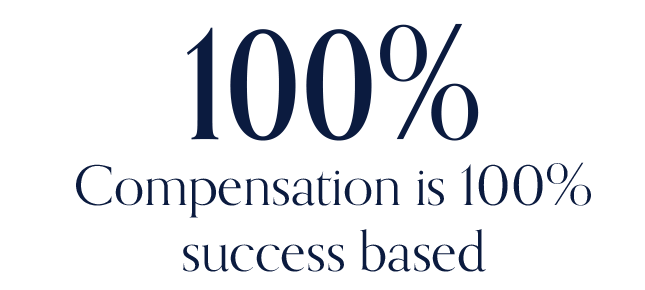
Business brokers and advisors in West Palm Beach typically charge a success fee ranging from 8% to 12% of the total transaction value for smaller deals, with tiered structures that step down as deal size increases. Many use a modified Lehman Formula: a higher percentage on the first portion of the sale price, stepping down incrementally from there.
There is usually a minimum fee — commonly $15,000 to $25,000 — regardless of deal size, which reflects the real cost of running a proper process even on a smaller transaction.
What you should ask before signing an engagement agreement: How is the fee calculated? What's included in the engagement? What happens if the deal doesn't close? And critically — how many similar businesses has this advisor actually sold in this market?
The cheapest advisor is almost never the best deal. A strong advisor earns their fee many times over in price achieved, terms negotiated, and deals saved from falling apart.
What We're Seeing Right Now in South Florida
Buyer demand across Palm Beach County is as strong as we've seen in years, and it's concentrated heavily in service-based businesses — HVAC, pest control, pool service, restoration, plumbing, and electrical are seeing competitive offer situations right now. In some cases, multiple qualified buyers are competing for the same listing within weeks of going to market.
What's driving this: a large wave of corporate professionals and early retirees who want to own a business rather than return to employment, growing SBA lending activity, and a South Florida economy that continues to attract population and construction at a pace that creates sustained demand for service businesses.
Smart sellers right now are using the competitive environment as leverage — not just to push on price, but to negotiate better terms, shorter transition periods, and cleaner deal structures.
What we're also seeing, unfortunately, are sellers who misread the market and overprice based on rumors about what someone's cousin got for their landscaping company two years ago. Overpriced listings sit. And listings that sit start to develop a market reputation for being unsellable, which creates its own downward pressure.
The other common mistake: starting to sell without telling your advisor everything. Surprises during due diligence that the seller knew about — an unresolved lawsuit, an informal employee arrangement, a lease with a problematic clause — are deal killers that could have been managed if surfaced early.
Why Local Expertise in Palm Beach County Changes the Outcome
There is a real difference between working with someone who has closed hundreds of transactions in the South Florida market and someone who operates out of a national franchise with no genuine local presence.
With over 25 years of experience and more than 1,000 businesses sold across Florida, the team at Sailfish Equity Advisors has built a buyer network, a market read, and a transaction track record that's specific to this market — not replicated from a playbook designed for Ohio or Texas.
Palm Beach County has its own buyer behavior, its own lease dynamics, its own industries, and its own pace. An advisor who knows this market doesn't just match buyers to sellers — they know which buyers are serious, which lenders are active on small business SBA deals right now, and which types of businesses are drawing the strongest offers at this moment.
That's not something you find in a directory. It's accumulated over years of doing the work.
Ready to Take the Next Step?
If you're considering selling your business in West Palm Beach or anywhere in Palm Beach County, the single most important decision you'll make is who you work with. The right advisor protects your confidentiality, defends your value, and guides you through one of the most significant financial transactions of your life — without you having to figure it out alone.
Talk to the Sailfish Equity Advisors team about selling your business in Palm Beach County.
For statewide guidance on valuation, confidentiality, buyer qualification, and closing, visit our Florida business broker guide.