
Sell My Orlando Business: A Step-by-Step Owner’s Guide

Sell Your Business. Step Into Freedom.
Create the Future You Deserve— It Starts with Selling Your Business in Orlando



Thinking About Selling Your Business?
Find Out What Your Business is Worth!
25+ Years of Success: Exclusive Buyers. Maximum Value. Zero Upfront Fees.
- ✓92% Success Rate – Proven expertise in closing efficiently.
- ✓Sell in as Fast as 90 Days – A streamlined, efficient process.
- ✓100% Confidential Sales – Protecting your business.
- ✓Multiple Competitive Offers – Serious buyers waiting.
Now is the Perfect Time to Sell Your Business:
Let Us Help You Get the Best Price


Why Orlando Founders Use Sailfish to Protect Identity and Legacy
• Legacy priorities translated into buyer-screening criteria
• Culture and employee concerns addressed before outreach
• Qualified buyers evaluated for both capital and operating fit
• Transition terms shaped around the founder’s preferred role
• Confidential communication that protects the company’s identity
• Negotiation support focused on value, continuity, and freedom
Expert Tips From the Leading Business Broker Orlando Business Owners Rely On





Most owners who say, “I want to sell my Orlando business,” should plan on roughly 6 to 12 months from serious preparation to closing. The strongest outcomes come from doing three things early: pricing from evidence, protecting confidentiality, and deciding what the sale must accomplish beyond the headline price.
Sailfish Equity Advisors is a Florida sell-side M&A and business-brokerage practice serving Orlando and Central Florida owners. We guide the full process: buyer-backed valuation, financial preparation, confidential marketing, buyer screening, offer comparison, due diligence, closing, and transition. The work is structured around one goal—turning a company that matters deeply to its owner into an opportunity a qualified buyer can confidently acquire.
How to Sell an Orlando Business Without Sacrificing Price, People, or Control
A business sale is not a real-estate listing with a sign in the yard. It is a confidential project with financial, legal, operational, and personal consequences. Orlando provides a wide buyer pool across healthcare, hospitality, construction, professional services, technology, and population-driven service businesses. That interest helps, but buyers still reward preparation rather than optimism.
Owners who close on good terms usually share three habits. They price the company from supportable cash flow, keep the sale private until disclosure is necessary, and continue operating as if the transaction might take longer than expected. A drop in revenue during the process can weaken the price just when the buyer and lender perform their final checks.
Sell My Orlando Business: First Decide What a Successful Exit Must Protect
Price matters, but it is rarely the owner’s only definition of success. Before speaking with buyers, decide which outcomes are non-negotiable. Do you want a clean break or a consulting role? Must key employees remain? Does the company name matter? Would you accept seller financing for a stronger overall result? What amount of cash at closing makes the risk worthwhile?
This is where the strongest material from Orlando’s legacy and no-regret guides belongs. Selling a founder-led company can change an owner’s identity, routine, community standing, and sense of purpose. Those concerns are not distractions from the deal. They should influence buyer selection, transition length, communication planning, and how the agreement handles the brand, team, and seller’s future involvement.
Write the priorities down before an offer creates pressure. A seller who knows what matters can compare buyers consistently. A seller who has not defined success tends to chase the largest number, then discover that an earnout, long transition, weak financing, or poor buyer fit makes that offer less attractive than it appeared.
Step 1: Price the Business From Buyer Evidence
Everything downstream depends on the opening price. Too high, and qualified buyers and lenders quietly pass while the opportunity becomes stale. Too low, and the owner gives away value that took years to build.
For many owner-operated service companies, the core cash-flow measure is Seller’s Discretionary Earnings, or SDE. It begins with net profit and adds back a market-supported owner salary, owner benefits, interest, depreciation, and legitimate one-time or discretionary expenses. Typical small owner-operated service companies may trade around 1.5 to 3.5 times SDE, but the exact result depends on size, recurring revenue, customer concentration, management depth, owner dependence, and financing support.
A defensible valuation also tests whether the projected cash flow can service acquisition debt, compensate the incoming owner, and leave room for normal business risk. A price that cannot pass that test will struggle with financed buyers regardless of how much the seller wants or needs.
Step 2: Make the Records Buyer-Ready
Buyers commonly ask for three years of financial statements and tax returns. Their lender may compare those records with bank statements, payroll reports, contracts, and the proposed add-back schedule. Prepare that file before marketing begins.
Each add-back should have a clear description and supporting record. Unsupported adjustments create doubt, and doubt spreads to figures that were otherwise credible. Review the lease for assignment requirements and remaining term. Confirm whether licenses, permits, customer agreements, franchise rights, vendor terms, and insurance can survive a change in ownership.
Look at customer concentration early. When one account represents more than roughly 20% to 30% of revenue, buyers and lenders may require an explanation, contract evidence, or a price adjustment. Also reduce owner dependence wherever practical: document processes, delegate approvals, cross-train the team, and move key relationships from the owner’s phone into the company’s systems.
Step 3: Go to Market Without Going Public
Confidentiality protects value. If employees hear an incomplete story, some may leave. If competitors learn about the sale, they may approach customers or staff. If vendors become nervous, credit terms can tighten. Any of those changes can reduce the cash flow supporting the valuation.
A controlled process starts with a blind profile that describes the industry, general location, revenue range, earnings, and opportunity without naming the company. Interested parties sign a nondisclosure agreement before receiving identifying information. Disclosure then occurs in stages: summary financials first, detailed records after qualification, and customer names or trade secrets only when the buyer has earned access.
The objective is not maximum exposure. It is sufficient competitive interest among buyers who can close, without turning the company’s sale into Orlando gossip.
Step 4: Separate Qualified Buyers From Curious Inquiries
An inquiry proves very little. A qualified buyer can show the funds required for a down payment, explain how the acquisition will be financed, demonstrate relevant operating experience or a credible management plan, and work within a realistic timeline.
Screening also protects the owner’s priorities. A buyer may have enough money and still be wrong for the company. Ask how the buyer expects to lead the staff, handle the brand, fund future growth, and manage the owner’s transition. A strategic acquirer, local operator, private-equity group, search fund, and first-time owner-operator may value the same business for different reasons and propose very different structures.
Do not confuse more inquiries with a stronger position. Real buyer competition comes from multiple credible parties who understand the opportunity, have the means to transact, and remain engaged at the same time.
Step 5: Compare the Whole Offer, Not Just the Price
Most serious offers begin with a letter of intent. The purchase price is only one term. Compare cash at closing, seller financing, earnout conditions, working-capital treatment, inventory, assumed liabilities, escrow or holdbacks, the non-compete, financing contingencies, diligence access, exclusivity, and the expected transition.
A larger offer with uncertain financing and a difficult earnout can produce less real value than a slightly lower offer with stronger cash and fewer conditions. The best buyer is not always the one who writes the highest first number; it is the one offering the strongest risk-adjusted outcome with a credible path to closing.
This is also the stage to protect legacy priorities. A transition consulting agreement can define the seller’s role and end date. Employee or customer communications can be sequenced around closing. Brand continuity may be addressed if it is essential to both sides. Terms must be precise enough to survive the pressure of diligence and legal drafting.
Step 6: Control Due Diligence Before It Controls the Deal
After the letter of intent, the buyer verifies the financials, contracts, lease, licenses, equipment, taxes, payroll, insurance, legal structure, customers, and operating claims. Diligence often runs 30 to 90 days, depending on complexity and financing.
Problems are easier to manage when disclosed early. A known customer concentration issue, aging piece of equipment, unusual add-back, or pending lease consent can be priced and planned. The same issue discovered unexpectedly can damage trust, reopen the economics, or end the transaction.
Organize requests through one controlled list and data room. Keep responses accurate and consistent. At the same time, keep the company performing. Buyers often examine updated results before funding, so the last quarter can protect—or weaken—the negotiated price.
Step 7: Close and Plan the Handoff
Legal and financing work runs alongside diligence: the purchase agreement, lien searches, lease assignment, lender conditions, license transfers, closing statements, and transition documents. A well-managed process gives every party a clear owner, deadline, and dependency.
The handoff deserves the same care as the sale. Decide when employees, customers, and vendors will be told; who delivers each message; what the new owner needs to learn; and how long the seller remains available. A thoughtful transition protects relationships and reduces the chance that the buyer later claims the company was not transferred as represented.
Before closing, the seller should also have a personal plan for the weeks after the sale. That might mean retirement, a new venture, travel, investing, consulting, or simply a period of rest. A clear next chapter helps prevent the identity shock described in the older Orlando pages and makes it easier to negotiate a transition that actually fits the owner.
What Orlando Buyers Will Underwrite
Buyers look beyond current revenue. They want durable cash flow, diversified customers, recurring or repeat business, a capable team, transferable relationships, supportable margins, and operations that do not collapse when the seller leaves.
Orlando’s growth can create attractive demand, but citywide momentum does not repair company-specific risk. A healthcare-services buyer near Lake Nona, a technology or simulation acquirer near UCF, a hospitality operator, and a trades platform may value different growth opportunities. All still test the same core question: can this company continue producing cash after ownership changes?
The strongest response is evidence—clean records, documented systems, signed agreements, credible management, customer retention history, and a transition plan appropriate to the business.
How Sailfish Manages an Orlando Sale
Sailfish Equity Advisors begins with a confidential, buyer-backed valuation and a readiness review. We prepare the opportunity for market, use blind profiles and staged disclosure, require nondisclosure agreements, screen buyers for financial capacity and fit, compare complete offer structures, and manage diligence through closing.
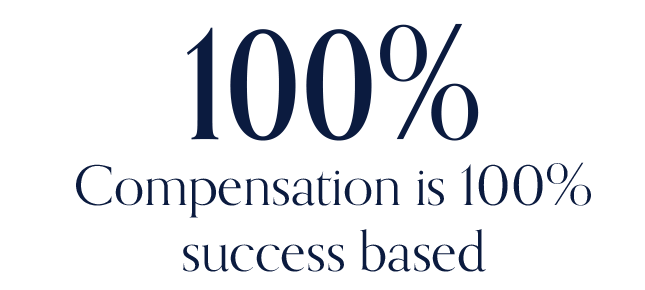
The team brings more than 25 years of Florida transaction experience and has helped over 1,000 business owners. Sailfish charges no upfront fee and is paid only when a transaction closes. That structure keeps the focus on the result that matters: a completed sale with terms the owner can accept.
Selling an Orlando Business FAQ
How long does it take to sell an Orlando business?
Most prepared small-business sales take roughly 6 to 12 months from valuation and preparation through closing. Clean financials, realistic pricing, transferable operations, qualified buyers, and organized diligence can shorten the process. Overpricing, owner dependence, incomplete records, financing issues, or delayed lease and license approvals can extend it.
What is an Orlando business worth before it goes to market?
Many owner-operated service companies trade around 1.5 to 3.5 times SDE, but that is only a starting range. The specific value depends on earnings quality, size, growth, recurring revenue, customer concentration, owner dependence, management depth, assets, industry risk, and whether a buyer’s financing can support the price.
Can I sell without employees or competitors finding out?
Yes. Use a blind profile, require an NDA before identifying the company, qualify the buyer before sharing detailed records, and release sensitive information in stages. Confidentiality cannot be guaranteed absolutely, but a controlled process sharply reduces exposure and limits information to buyers with a legitimate reason to receive it.
How should I choose between two offers?
Compare more than price. Review cash at closing, financing certainty, seller notes, earnouts, working capital, contingencies, transition time, non-compete terms, buyer fit, and the probability of completing diligence. The strongest offer is the best risk-adjusted outcome, not automatically the largest headline number.
Can the sale protect employees and the company’s legacy?
The seller can screen buyers for leadership approach, discuss staffing and culture before accepting an offer, sequence employee and customer communications, and negotiate a defined transition. Not every preference can or should become a binding clause, but buyer selection and clear deal terms can materially influence the post-sale outcome.
How does Sailfish help me sell my Orlando business?
Sailfish handles buyer-backed valuation, readiness, confidential marketing, NDA management, financial and operational buyer screening, offer comparison, negotiation, diligence coordination, and closing support. The firm brings over 25 years of Florida deal experience, has helped more than 1,000 owners, and charges no upfront fee.
Build the Right Orlando Sale Plan
The first useful step is not announcing that the business is for sale. It is understanding the value, risks, buyer pool, personal priorities, and realistic preparation timeline. Start with Sailfish Equity Advisors’ Orlando business-selling and valuation guidance to build a confidential plan around the company you own and the outcome you want.
For statewide guidance on valuation, confidentiality, buyer qualification, and closing, visit our Florida business broker guide.